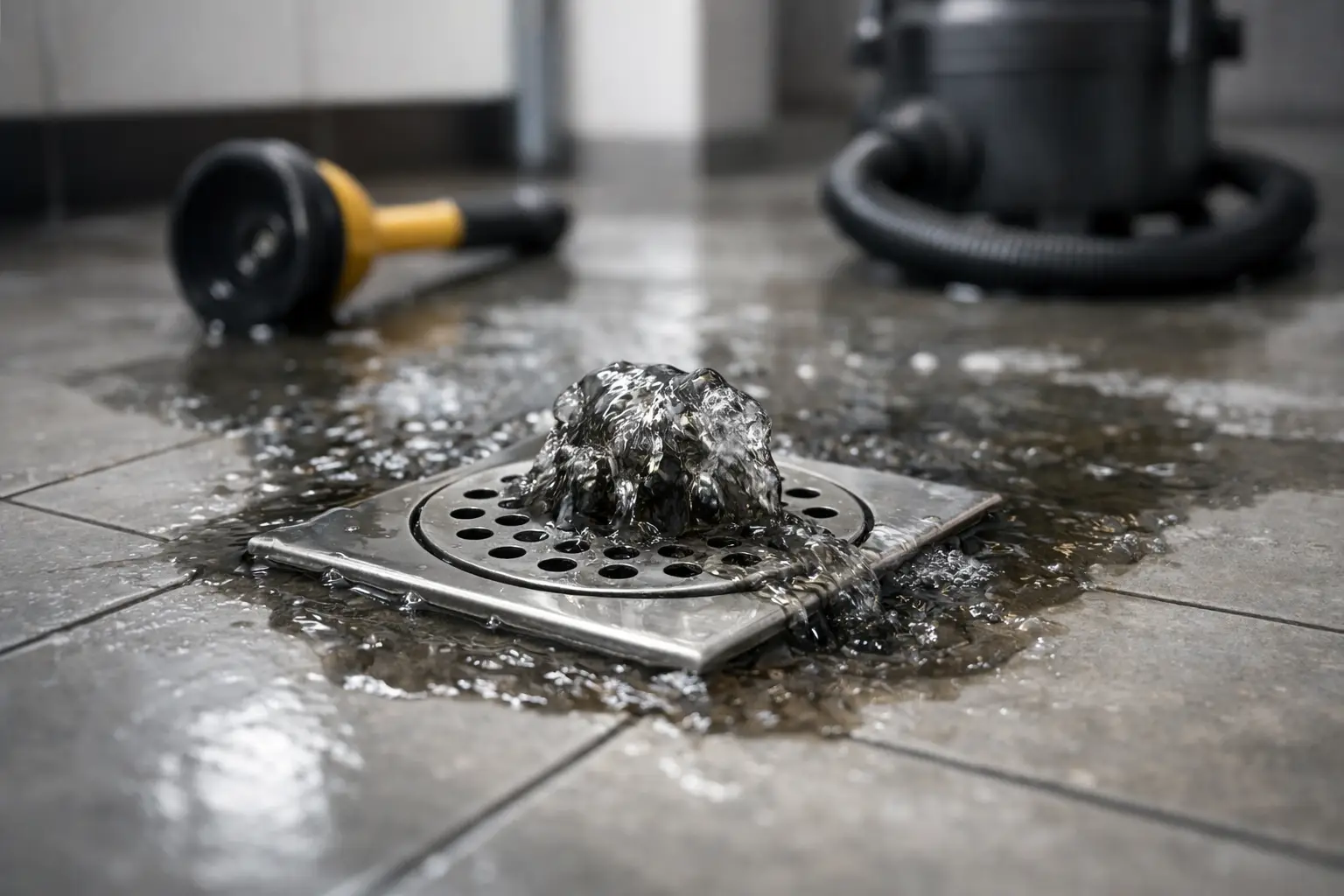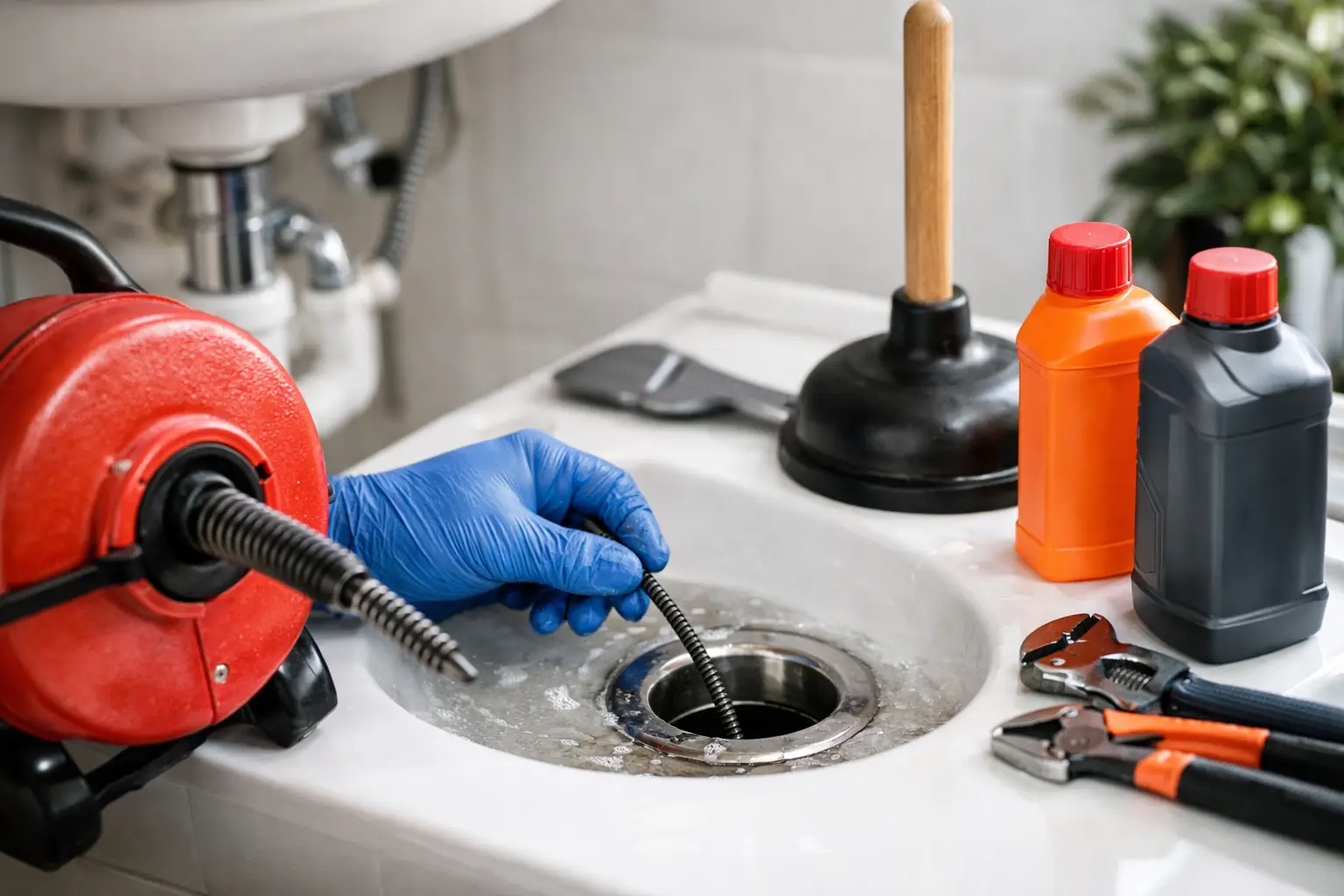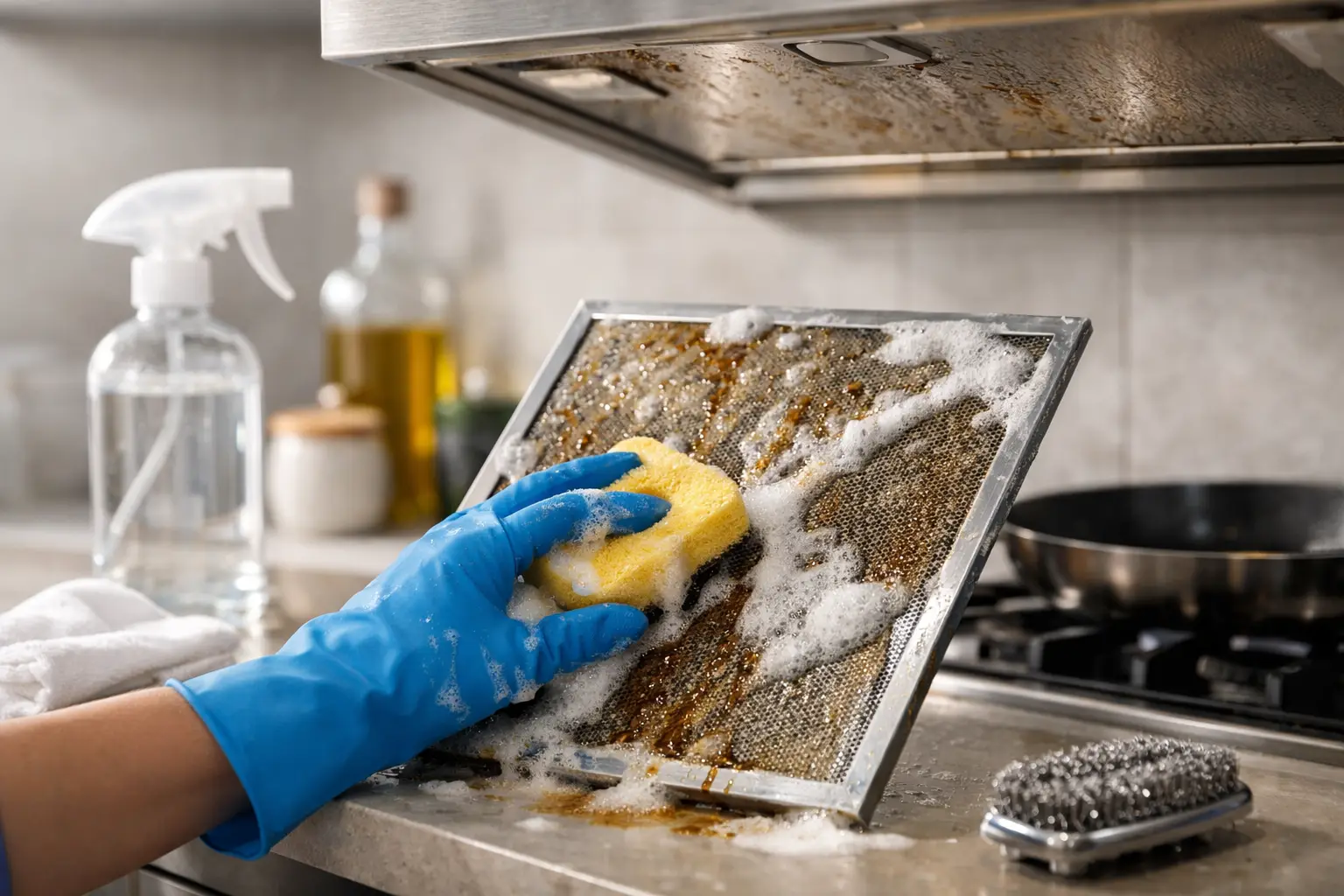
You usually notice kitchen grease buildup before you see it. The sink starts draining slower after dinner cleanup. Water hangs around the basket a little longer. Then the smell shows up – that stale, greasy odor that tells you something is collecting inside the line. If you are wondering about the best way clear kitchen grease buildup, the short answer is this: remove the blockage completely, not just enough to make the sink drain for a day or two.
That distinction matters. Grease clogs are different from a simple food obstruction near the drain opening. Kitchen grease coats pipe walls, grabs food particles, and keeps building layer by layer. What feels like a minor slowdown can turn into a full backup, especially in busy homes, rental properties, or commercial kitchens where the line sees constant use.
Why grease buildup is harder than most sink clogs
Grease does not stay in the form you poured down the drain. It cools, thickens, and sticks to the inside of the pipe. Over time, that sticky coating catches soap residue, coffee grounds, food scraps, and anything else moving through the kitchen line. The opening inside the pipe gets narrower, and flow gets weaker.
That is why grease problems tend to come back. A temporary opening through the middle of the clog may let water pass, but the buildup is still there on the walls. It is like clearing a tunnel through mud instead of removing the mud itself. The drain may seem better for a week, then right back to slow draining and odors.
There is also a difference between a small grease issue near the branch line and a heavy blockage deeper in the system. If more than one fixture is affected, or if the clog returns quickly after basic cleaning, the problem may be farther down the kitchen drain line than most people expect.
The best way to clear kitchen grease buildup for good
The best way to clear kitchen grease buildup is to fully clean the pipe wall, not just poke a hole through the blockage. In real-world drain cleaning, that usually means using professional equipment designed to break up grease and flush it out of the line.
For lighter buildup, mechanical cleaning can restore flow by cutting through the grease and removing debris that has attached to it. For heavier buildup, hydro jetting is often the most effective solution because it uses high-pressure water to scour the full inside diameter of the pipe. Instead of leaving greasy residue behind, it washes the walls clean and carries the loosened material out of the system.
That full-pipe cleaning is what makes the difference between a short-term fix and a lasting one. In kitchen lines with thick grease accumulation, especially in homes with recurring sink backups or in food-service settings, partial clearing is usually not enough.
Why common quick fixes often fail
A lot of people try the obvious thing first because they need the sink working again fast. That makes sense. The problem is that many quick fixes only treat the symptom.
Store-bought drain chemicals may create heat or a reaction that softens some grease, but they rarely clean the whole pipe. In some cases, they can leave parts of the clog in place while pushing the softened material farther down the line. They can also create a tougher work environment later if a technician has to open the drain safely.
Hot water by itself is another common attempt. It may move softened grease temporarily, especially if the buildup is still light, but once that grease cools farther down the pipe, the problem often returns. The same goes for repeated plunging. It can sometimes improve movement, but it does not remove the greasy film coating the line.
The issue is not effort. It is the nature of the blockage. Grease buildup is a pipe-wall problem, and pipe-wall problems need real cleaning.
Signs the grease clog is more serious than it looks
A slow sink is the early warning. If it stays at that stage, you have a better chance of dealing with the problem before it turns into a larger backup. Once the line starts showing repeat symptoms, it is usually telling you the blockage has built up beyond the trap or immediate drain opening.
Watch for slow draining that keeps coming back, bubbling or gurgling after the sink empties, foul kitchen drain odors, water backing up into a second bowl, or problems that get worse after using the dishwasher. That last one is a big clue because dishwasher discharge pushes a lot of warm, greasy water into the same line. If the kitchen drain is already narrowed, that extra volume can expose the restriction fast.
For landlords and business owners, repeat grease clogs also have a downtime cost. A kitchen sink that drains poorly is not just annoying. It affects cleanup, sanitation, tenant satisfaction, and day-to-day operations.
When hydro jetting makes sense
Hydro jetting is not needed for every kitchen clog, but when grease is thick, recurring, or spread along a longer section of pipe, it is often the right tool. High-pressure water can cut through accumulated grease, flush out sludge, and restore the inside of the line much more thoroughly than methods that simply punch through a blockage.
The key is using it appropriately. Pipe condition matters. In older systems or lines with existing damage, a professional should verify what is going on before choosing the cleaning method. That is where camera inspection adds value. Seeing the inside of the line confirms whether the issue is grease alone, grease mixed with scale, or something else entirely.
For many Northern Virginia homes, especially older properties or kitchens that have seen years of heavy use, that verification step saves time and avoids guesswork. You want the right fix the first time, not a series of temporary attempts.
Why accurate diagnosis matters in kitchen drain problems
Not every slow kitchen line is pure grease. Sometimes grease is only part of the blockage. Food solids, softened soap residue, pipe scale, or a sag in the line can contribute to the same symptoms. If the drain keeps clogging after it has supposedly been cleared, that is a sign the root issue may not have been identified.
A professional diagnosis looks at the pattern, not just the immediate backup. Is the problem isolated to one sink? Does the dishwasher trigger it? Has the line been slow for months? Has there been previous drain work? Those details help determine whether the fix should be targeted cleaning, full hydro jetting, or a camera inspection to verify the condition of the line.
That is the kind of approach Titan Jetters is built around – clear answers, proven results, and no guessing at what is happening inside the pipe.
How to keep grease buildup from coming right back
Once a kitchen line has been properly cleaned, prevention matters. Grease clogs build gradually, so the goal is to reduce what sticks to the pipe in the first place. That means being realistic about what goes down the drain during daily cleanup.
Cooking oils, meat drippings, butter, sauces, and greasy pan residue should stay out of the sink. Even small amounts add up over time. Food particles also make grease clogs worse because they stick to the coating and help it thicken faster. A kitchen line that handles constant grease disposal will eventually show it.
For households that cook often, and for properties with high turnover or heavier kitchen use, periodic professional drain cleaning can make sense as preventive maintenance. That is especially true if the line has a history of grease buildup. Cleaning before a full blockage forms is easier on everyone than dealing with a backup during a busy week.
When it is time to call a drain specialist
If the kitchen sink is draining slowly again and again, if odors are getting stronger, or if water is backing up when appliances discharge, it is time to stop treating it like a minor nuisance. A true grease blockage does not usually fix itself, and half-measures tend to waste time while the buildup keeps growing.
The best service call is one that solves the whole problem. That means showing up fast, diagnosing the line correctly, cleaning it thoroughly, and confirming results when needed. For homeowners, that means less mess and less repeat frustration. For landlords and business operators, it means less disruption and fewer return issues.
A kitchen drain should not be something you have to think about every time you wash dishes. If grease buildup has turned it into a recurring problem, the right move is simple: get the line cleaned completely so your sink flows the way it should.