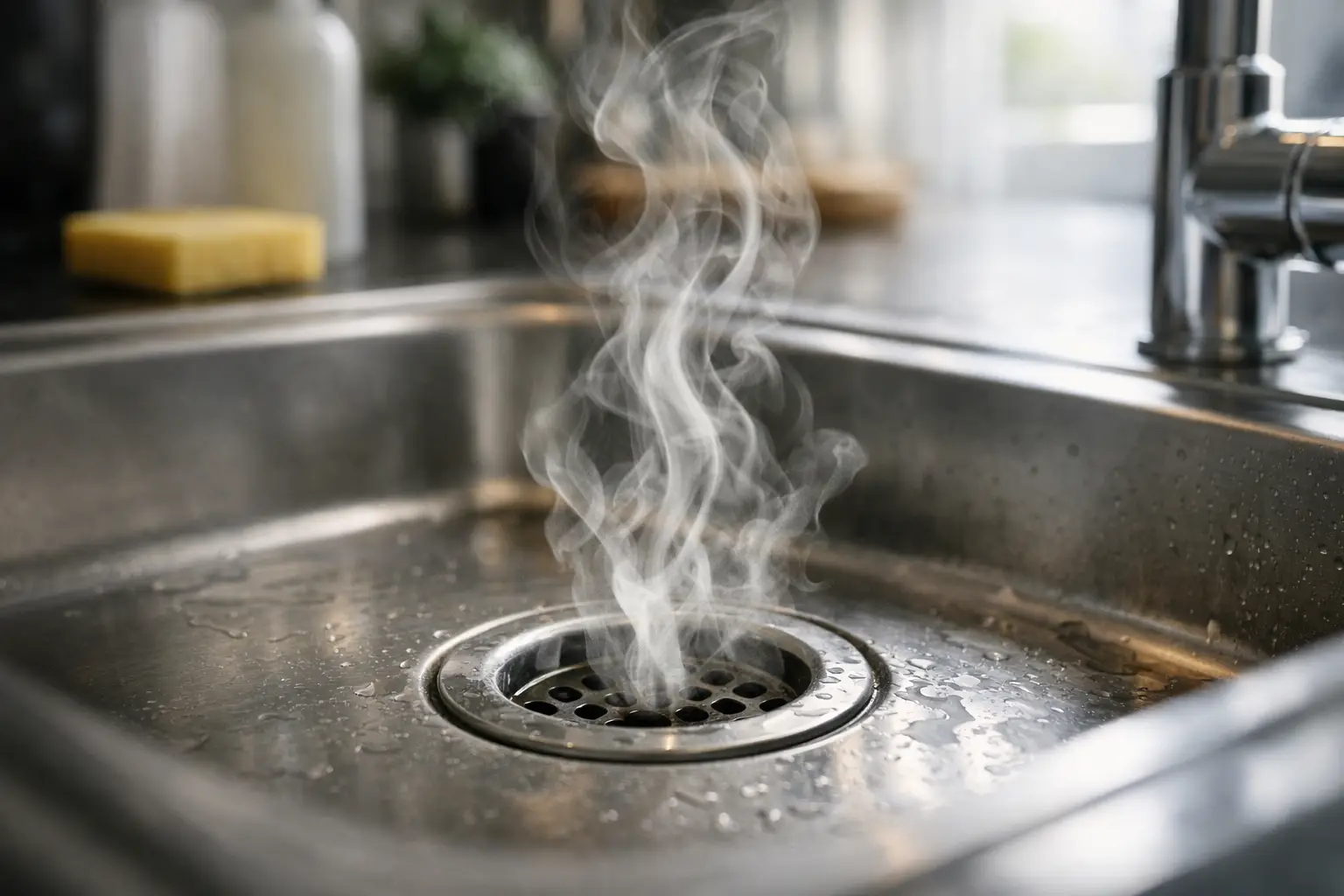
That sewer smell usually shows up at the worst time – when guests are coming over, when you are opening the business for the day, or when the house is otherwise perfectly clean. If you have been asking why do drains smell bad, the short answer is simple: something inside the plumbing system is letting gas, bacteria, or rotting buildup come back into the room instead of staying sealed inside the pipe.
The trick is figuring out which problem you are dealing with. Some drain odors come from minor buildup near the opening. Others point to a deeper issue in the line, a venting problem, or a drain that is starting to back up. The smell alone does not tell the full story, but it does tell you this much – something is not moving or sealing the way it should.
Why do drains smell bad in the first place?
A healthy drain system is designed to carry wastewater away while blocking sewer gases from coming back into the property. When that system is working properly, you should not smell much of anything. When odors show up, it usually comes down to one of two things: organic material is sitting in the line and breaking down, or a plumbing seal has failed and sewer gas is escaping.
In kitchens, grease, food scraps, soap residue, and sludge are common culprits. In bathrooms, hair, toothpaste, shaving residue, and soap scum tend to collect inside the drain body. Floor drains, laundry drains, and utility sinks can smell for a different reason – they may not get used often enough to keep the trap sealed with water.
That is why one home can have a smelly sink caused by surface buildup, while another has the same odor caused by a deeper sewer line issue. It depends on where the smell is strongest, when it appears, and whether it comes with slow drainage, gurgling, or backups.
The most common causes of bad drain odors
The most common cause is buildup inside the drain line. Waste sticks to the pipe wall over time, especially in kitchen and bathroom lines. Once that material starts decomposing, the smell can get strong fast. In the early stages, the drain may still work, which is why many people ignore the odor until the line starts draining slowly.
Another common cause is a dry P-trap. The P-trap is the curved section of pipe under many fixtures. It holds water to block sewer gases. If the fixture has not been used in a while, that water can evaporate and allow odors to pass through. This shows up often in guest bathrooms, basement floor drains, laundry rooms, and commercial restrooms that sit unused for stretches of time.
Clogs deeper in the line can also create odor problems. A partial blockage may hold wastewater and debris in one section of pipe, where it continues to rot. In that case, the smell is often accompanied by slow draining, bubbling, or repeated clogs. The odor may seem to come and go depending on how often the fixture is used.
There is also the possibility of a venting issue. Plumbing vents help move sewer gases safely out of the system and keep proper air balance in the lines. If a vent is blocked or not working correctly, gases may be forced back toward the drains instead of moving out through the roof. This is one of those problems that is easy to miss because the drain itself may not seem badly clogged.
In older properties, damaged or scaled sewer lines can be part of the problem. Cast iron pipes, for example, can develop heavy internal scale that traps waste and holds odor. Cracks, loose connections, or line damage may also let sewer gas escape where it should not. That is when the smell becomes less of a cleaning issue and more of a drain system issue.
Why a kitchen drain smells different from a bathroom drain
Not all drain smells mean the same thing. Kitchen drain odors usually have a heavier, sour, greasy smell. That is because food waste and grease tend to coat the line and collect bacteria. Even when the sink seems to drain, that layer can stay behind and keep producing odor.
Bathroom drains are more likely to smell musty, sour, or like straight sewer gas. Hair and soap buildup are common in sink, tub, and shower drains, but bathroom odors can also point to trap seal problems or toilet seal issues nearby. Sometimes what seems like a shower drain odor is actually coming from a neighboring fixture or a poorly vented branch line.
Floor drains are in their own category. When they smell, the issue is often lack of use. The water seal dries out, and sewer gas comes right through. But if the drain gets regular use and still smells bad, there may be sludge buildup or a deeper issue in the branch line.
When the smell is a warning sign, not just an annoyance
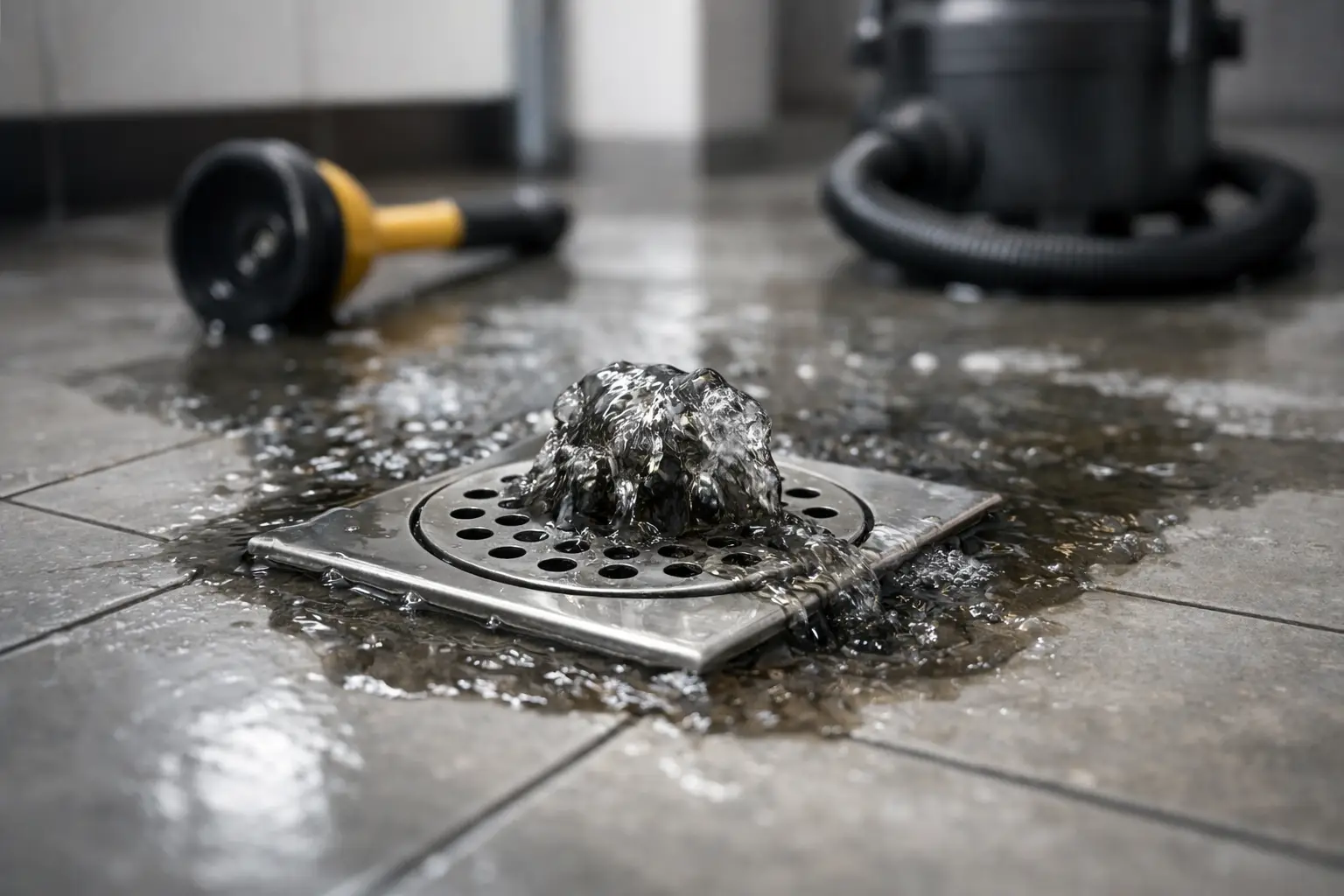
A bad-smelling drain is not always an emergency, but it should not be brushed off. Odor is often the first sign of a bigger drain problem forming inside the line. By the time water starts backing up, the pipe may already be heavily restricted.
Pay closer attention if the smell comes with slow drainage, frequent clogs, gurgling noises, water backing up in another fixture, or odors affecting multiple drains at once. Those patterns suggest the problem may be farther down the system, not just near one sink or tub.
If the smell is strongest in a lower-level drain, especially a basement or slab-level fixture, that can also point to a more serious line issue. The same goes for recurring sewer odor that returns shortly after cleaning attempts. When the smell keeps coming back, the source usually has not been fully removed.
Why odors often keep returning
This is where many property owners get frustrated. The smell fades for a few days, then comes right back. That usually happens because the actual cause is still in the pipe.
Surface rinsing may move some loose debris, but it will not remove heavy grease, hardened sludge, scale, or buildup clinging to the pipe wall. If the line has years of accumulation, the odor will return until that material is properly cleared. The same is true when the problem is tied to a venting issue, a damaged section of pipe, or a sewer line defect. You can mask the symptom for a while, but you have not corrected the condition causing it.
This is also why accurate diagnosis matters. A kitchen line with grease buildup needs a different solution than a floor drain with a dry trap or a sewer line with internal scale. Treating every odor like a basic clog wastes time and usually leads to repeat problems.
What professional drain diagnostics can reveal
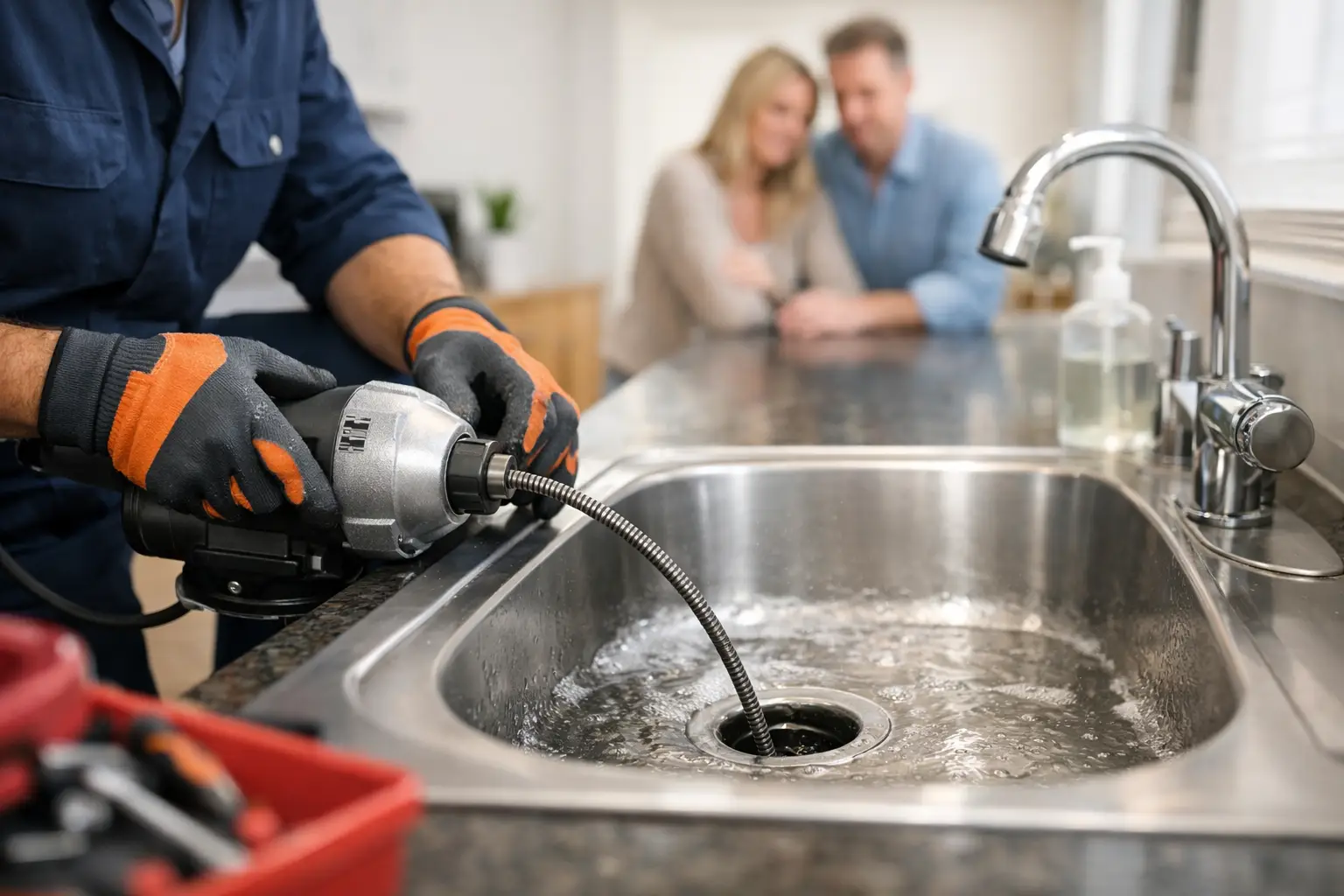
When drain odors are persistent, the smartest next step is finding out exactly what is happening inside the pipe. Professional drain cleaning and camera inspection are valuable here because they remove guesswork.
A proper inspection can show whether the issue is grease, sludge, hair buildup, scale, standing water in the line, poor flow, or a damaged section of pipe. It can also confirm whether the drain was actually cleaned all the way through or just opened enough to drain temporarily.
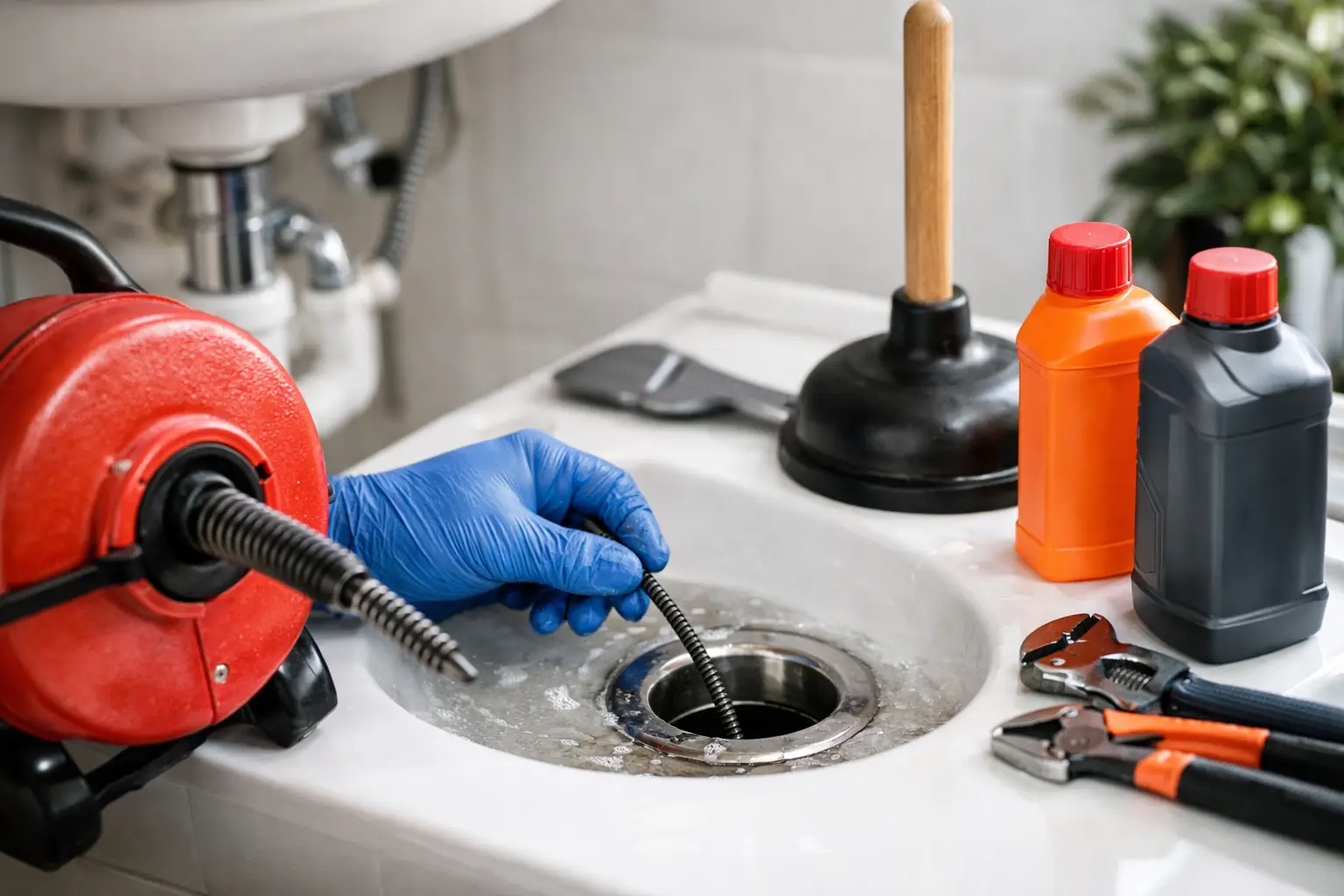
For tougher buildup, high-pressure hydro jetting or specialized mechanical cleaning can remove the material coating the pipe walls, not just poke a hole through it. In older systems, descaling may be the key to getting rid of odor, restoring proper flow, and preventing repeat clogs. The goal is not just to make the smell go away today. It is to correct the condition creating it.
That is especially important in busy homes and commercial properties where a recurring drain issue can turn into downtime, mess, and damage. In areas like Bristow and Gainesville, where many homes include older drain sections or high-use kitchen lines, verified cleaning with camera inspection gives property owners real answers instead of assumptions.
Why do drains smell bad even when they are still draining?
Because drainage and cleanliness are not the same thing. A line can still pass water while carrying a thick layer of buildup along the walls. That buildup holds bacteria and waste, and that is where the odor starts. In other cases, the line drains but the trap is dry or the venting is off, so sewer gas still gets through.
That is why smell should be taken seriously even before a clog shows up. It is often the early stage of a problem that gets more disruptive later.
If a drain smells bad once and never again, it may have been a temporary issue. If it smells bad regularly, affects multiple fixtures, or comes with slow drainage, it is time to stop guessing. Get the line checked, get the cause confirmed, and get it cleaned the right way. A drain should carry wastewater out of the property quietly and without odor. If it is not doing that, it is telling you something worth addressing now, not after the backup.