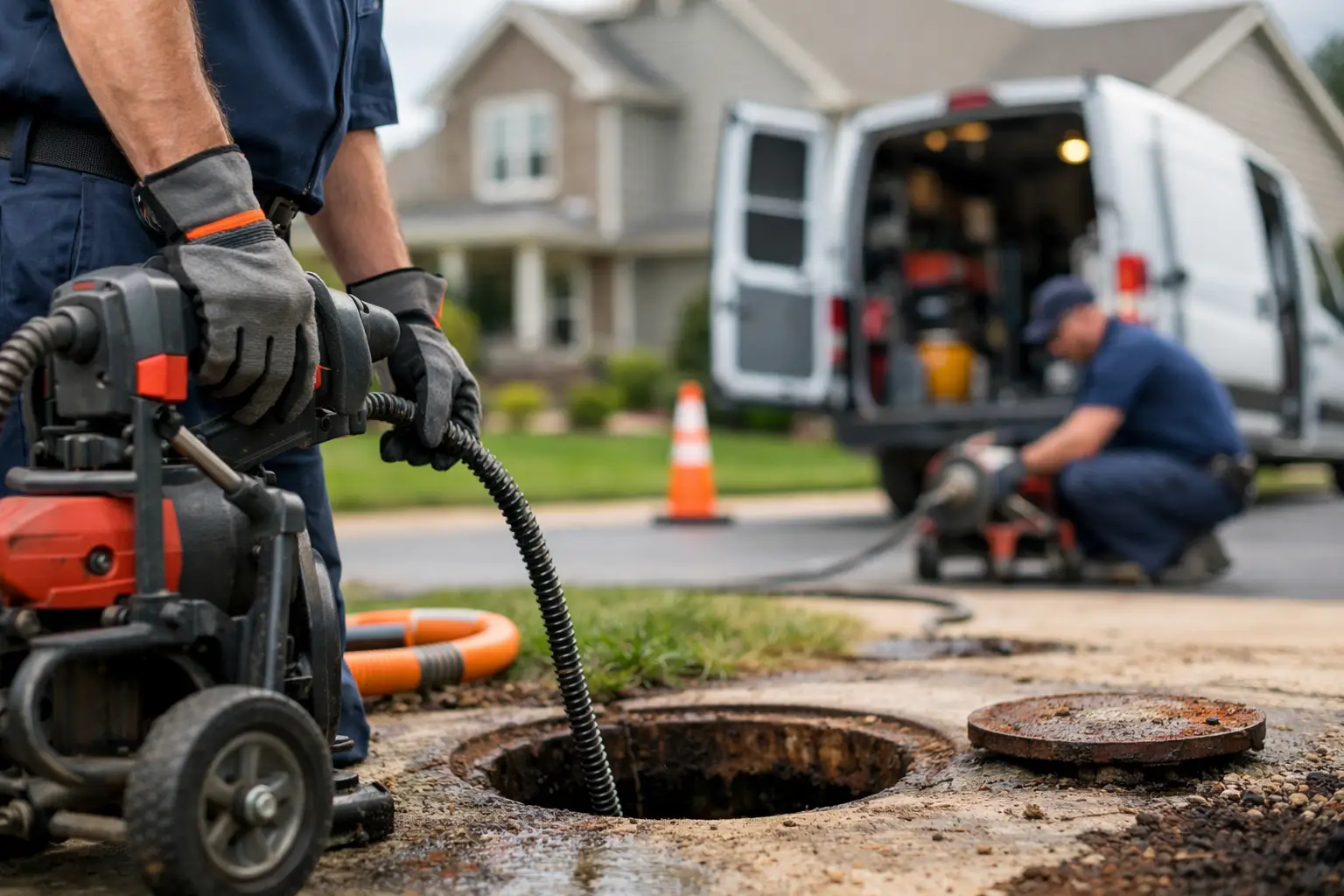
A backed-up sewer line rarely gives you a convenient heads-up. It shows up at the worst time – before work, during dinner service, or right as tenants start calling. When that happens, finding an emergency plumber Prince William County property owners can trust is less about searching for a name and more about getting the right diagnosis fast.
That matters because not every plumbing emergency is the same. A leaking water heater, a main drain backup, a clogged commercial line, and wastewater coming up through a floor drain may all feel urgent, but they do not call for the same fix. The right emergency response starts with identifying what is actually happening inside the system, not guessing from the surface symptoms.
What counts as an emergency plumber in Prince William County call?
Some problems can wait a day. Others should not. If water is actively leaking, drains are backing up into the home, sewage odors are getting stronger, or multiple fixtures have stopped draining at once, the issue has moved beyond a routine service call.
For many homeowners and business owners, the line between urgent and non-urgent gets blurry. A single slow sink may be frustrating, but a toilet, shower, and floor drain all backing up together usually points to a larger obstruction in the main line. That kind of problem can escalate quickly, especially in older systems or properties with a history of recurring clogs.
Commercial properties have even less room to wait. A restaurant with a grease-heavy kitchen line, a retail space with a restroom backup, or a rental property with sewage coming up into a lower level is dealing with more than inconvenience. Downtime, sanitation concerns, and property damage start piling up fast.
Why fast response matters – but accurate diagnosis matters more
In an emergency, speed matters. No one wants to sit around with wastewater on the floor or a drain system that has stopped working. But a fast arrival only helps if the plumber can actually determine the cause of the problem and fix it correctly.
This is where a lot of emergency calls go sideways. A line gets temporarily opened, water starts moving again, and everyone hopes that means the problem is gone. Then the same backup returns a week later because grease, sludge, roots, or scale were never fully removed.
A solid emergency service approach focuses on restoring function and verifying the result. In drain and sewer work, that often means using the right equipment for the condition of the line. A basic cable may punch a hole through a blockage, but if the pipe walls are still coated with buildup, the line is still one heavy use day away from another backup.
That is why tools like hydro jetting, flex-shaft descaling, and sewer camera inspections matter so much in emergency situations. They help separate a short-term opening from a real solution.
How emergency drain and sewer problems are properly diagnosed
When a plumber arrives for an urgent drain or sewer issue, the first goal is to identify whether the problem is local or systemic. Is one fixture affected, or is the entire building showing signs of restriction? Is the line clogged with soft debris, hardened scale, grease, roots, or a break in the pipe itself?
Those distinctions change the response. A kitchen line packed with grease needs a different approach than an older cast iron line narrowed by years of scale. A recurring main line backup may point to a deeper issue that only a sewer camera can confirm.
Camera inspections are especially valuable in emergency calls because they remove guesswork. Instead of making assumptions, the technician can see whether the line has been fully cleared, whether there is damage present, and whether the obstruction is likely to return. For customers, that means clearer answers and fewer surprises.
In Prince William County, where homes and commercial buildings can range from newer construction to older pipe systems with wear inside the line, that kind of verification is not a luxury. It is part of doing the job right.
Emergency plumber Prince William County services should do more than reopen flow
A lot of people just want the immediate problem to stop, and that is understandable. But with drain and sewer emergencies, the real question is what kind of condition the line is left in after service.
If a technician clears enough debris for water to pass and leaves heavy residue behind, the system may look fixed even though the underlying restriction is still there. This is common in grease lines, scale-heavy cast iron, and sewer lines that have seen repeated backups over time.
A better emergency response does two things. First, it gets the property functional again as quickly as possible. Second, it addresses the actual buildup or blockage condition so the customer is not right back in the same situation. Depending on the line, that may involve hydro jetting to wash the pipe walls clean, descaling to remove hardened deposits, or camera work to confirm the line is open and flowing the way it should.
That is the difference between reactive work and professional repair-minded service. One buys time. The other solves the problem.
What homeowners should expect during an emergency visit
Good emergency plumbing service is not just about equipment. It is also about communication. In a stressful situation, people want to know three things right away: what is causing the problem, what needs to happen next, and whether the solution has actually worked.
A professional should be able to explain the issue in plain language without talking around it or creating more confusion. If the line is blocked with grease, say that. If the pipe shows heavy interior scale, explain what that means. If a camera reveals damage or a more serious defect, the customer should hear that clearly and directly.
Clean execution matters too. Emergencies are already disruptive. Respect for the property, organized work, and a straightforward explanation of findings go a long way in helping customers feel they called the right company. That is especially true for families dealing with a home backup, landlords managing tenants, or business owners trying to get operations back on track.
The trade-off between a quick fix and a lasting fix
There are times when the immediate goal is simply to stop active overflow and restore basic use. That is real life. But it is also important to understand the trade-off.
A quick opening can be the right first move in a severe emergency, especially when access is limited or the property needs immediate relief. Still, if the line has a history of repeat problems, stopping at the first sign of drainage can create a false sense of security.
Lasting results usually come from matching the method to the condition of the pipe. Hydro jetting is often the better option when the issue is thick grease, sludge, or widespread buildup. Mechanical descaling can be the smarter call when an older pipe has narrowed from hardened interior deposits. Camera diagnostics help confirm which route makes sense.
That is why honest service matters. Not every drain issue needs the same treatment, and not every emergency needs the most aggressive method. The right answer depends on what the line shows, how severe the blockage is, and whether the goal is temporary relief or long-term reliability.
Why specialized drain equipment makes a difference
Drain and sewer emergencies are often hidden problems. You can see the water on the floor or hear the gurgling in the line, but the real issue is inside the pipe. Specialized equipment changes how quickly and accurately that issue can be handled.
High-performance jetting equipment can clear and wash out lines more thoroughly than a basic opening method. Flex-shaft systems are effective for removing tough scale inside certain pipe types. Sewer cameras verify whether the obstruction is gone and whether there are deeper defects that need attention.
For customers, the benefit is simple. Better equipment supports better answers. It reduces guesswork, improves verification, and helps prevent the cycle of emergency call, temporary fix, and repeat backup.
That is one reason many property owners in Northern Virginia look for a drain and sewer specialist when the emergency involves backups, recurring clogs, or signs of a main line issue. In those cases, experience with line diagnostics and cleaning methods matters as much as response time.
Choosing the right emergency plumbing help when time is tight
When you need urgent service, you are not shopping for a sales pitch. You are looking for someone who shows up, diagnoses the problem correctly, explains the options clearly, and treats your property with respect.
That means looking past vague promises and focusing on practical signs of professionalism. Licensed and insured work matters. So does same-day availability when the situation cannot wait. Clear communication matters. Clean job execution matters. Verification matters.
A company like Titan Jetters stands out in emergency drain and sewer situations because the work is centered on getting to the cause, not just masking the symptom. That approach helps homeowners, landlords, and local businesses make smarter decisions under pressure.
When plumbing problems hit without warning, the best next step is not panic. It is getting a qualified professional on site who can see the issue clearly, act fast, and leave the system flowing the way it should. If your property is dealing with a backup, blockage, or urgent drain problem, now is the time to book service and get real answers before the damage spreads.