A toilet that gurgles after the shower runs, a kitchen line that keeps slowing down, a floor drain that backs up right before business hours – these problems all sound similar from the outside. But the right fix depends on what is actually inside the pipe.
That is where the drain snake vs hydro jetting conversation matters. Both methods are used to clear drains. They are not interchangeable, and choosing the wrong one can leave you with a temporary opening instead of a real solution.
For homeowners, landlords, and business owners, the goal is simple: restore flow, keep the mess contained, and avoid dealing with the same blockage again next week. The best method depends on the type of clog, the condition of the pipe, and whether the issue is isolated or part of a larger pattern.
Drain snake vs hydro jetting: what is the difference?
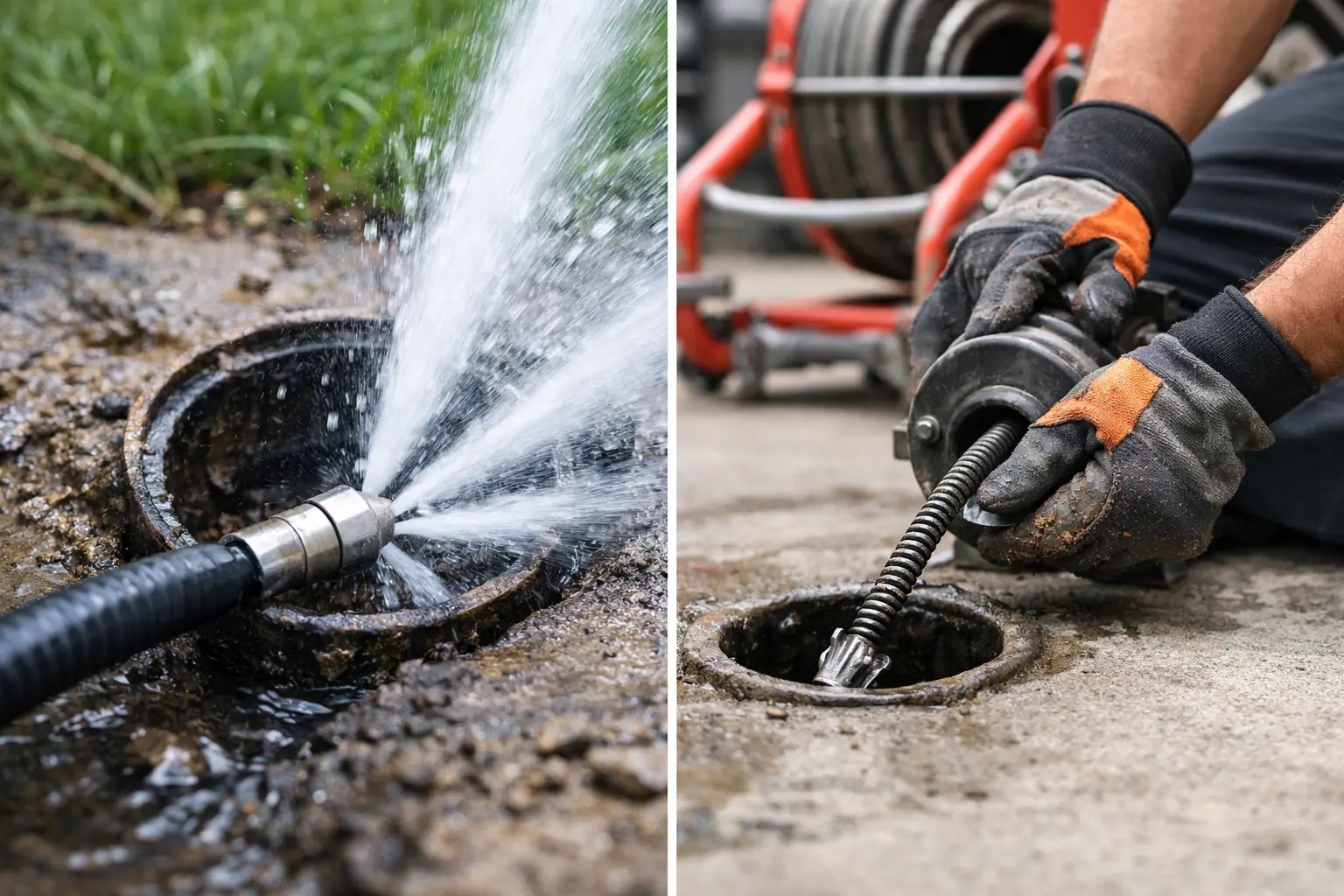
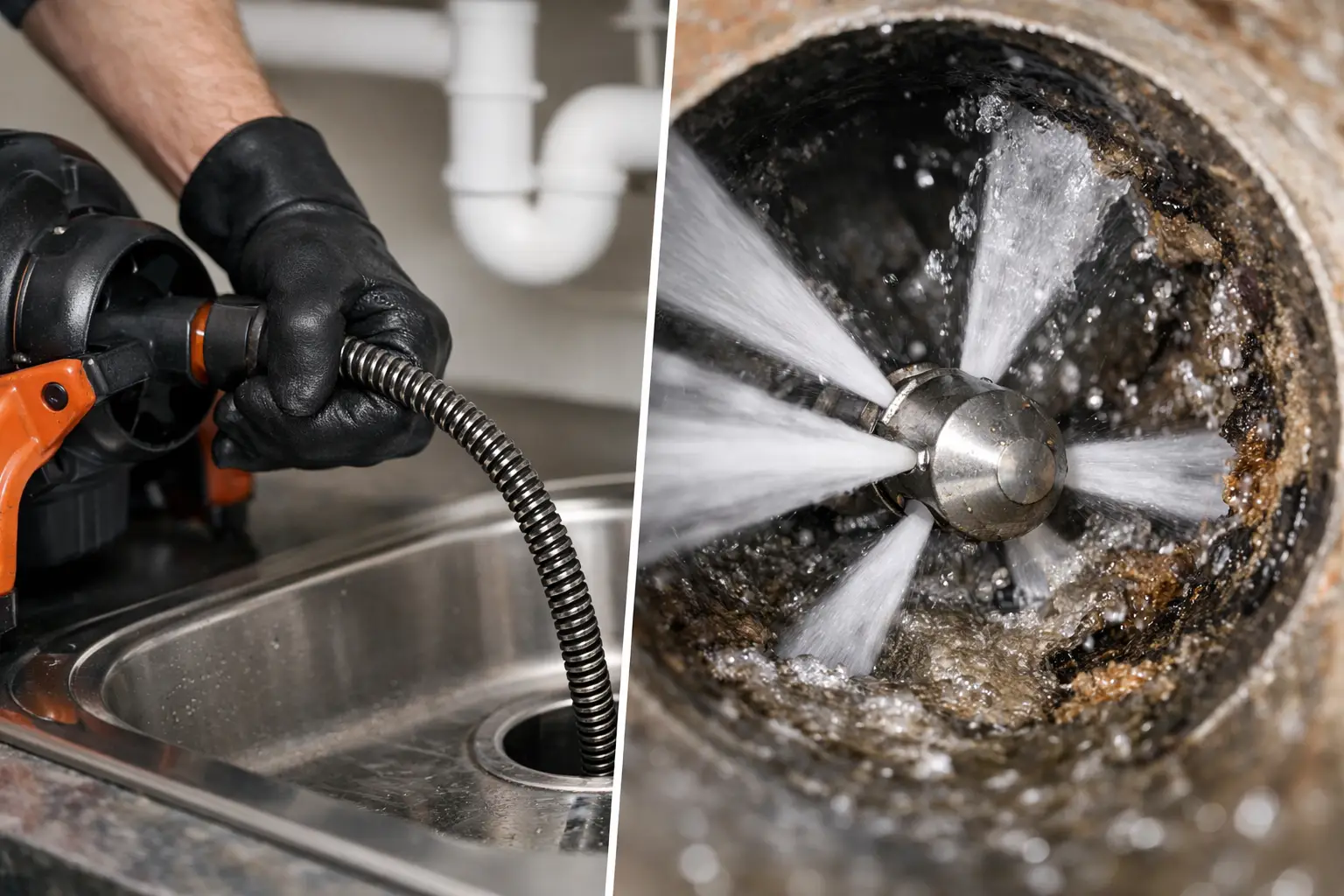
A drain snake is a mechanical tool that works its way through a line to punch through a clog or grab debris. In many cases, it creates a path for water to move again. That can be enough when the blockage is localized and the buildup is not spread along the pipe walls.
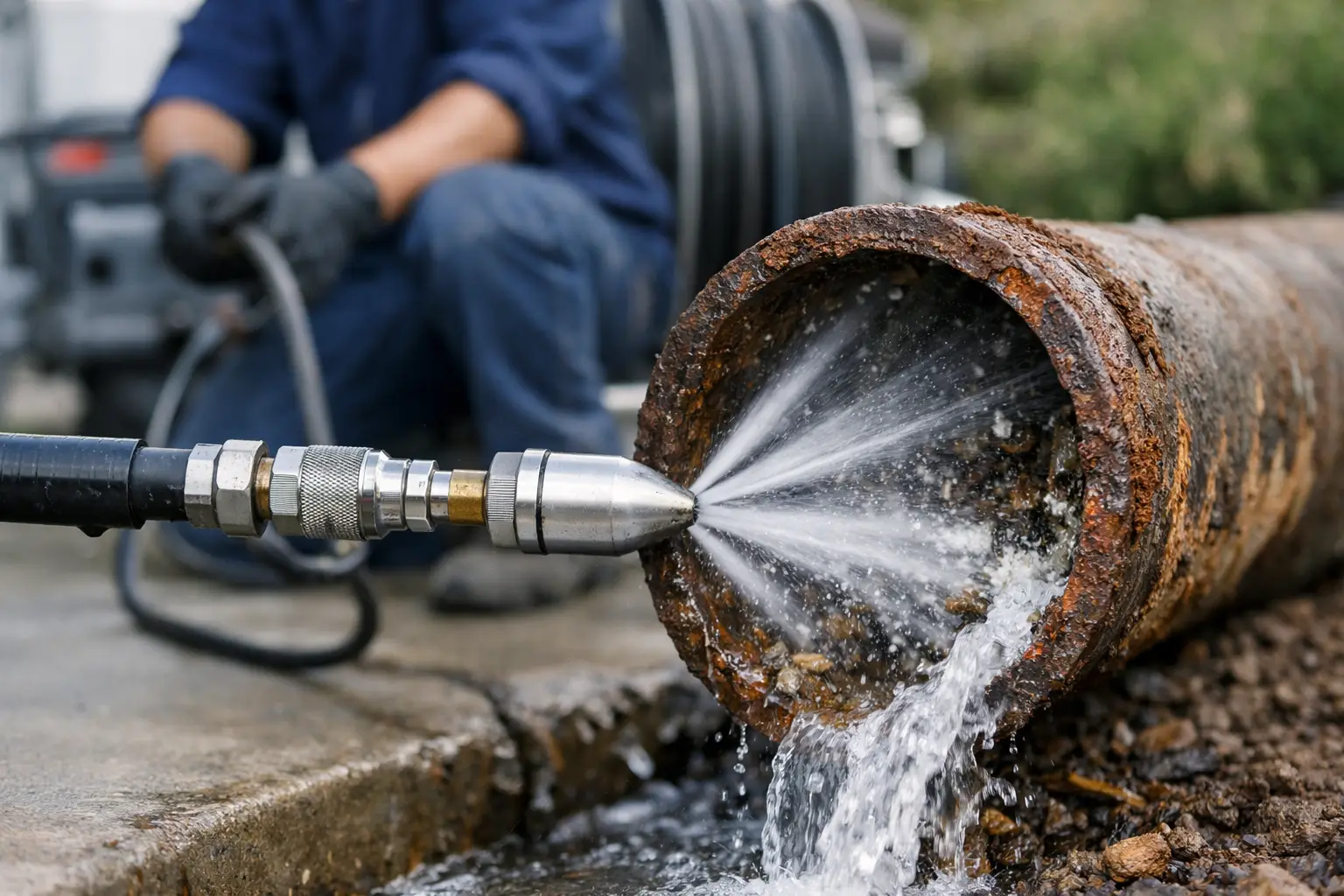
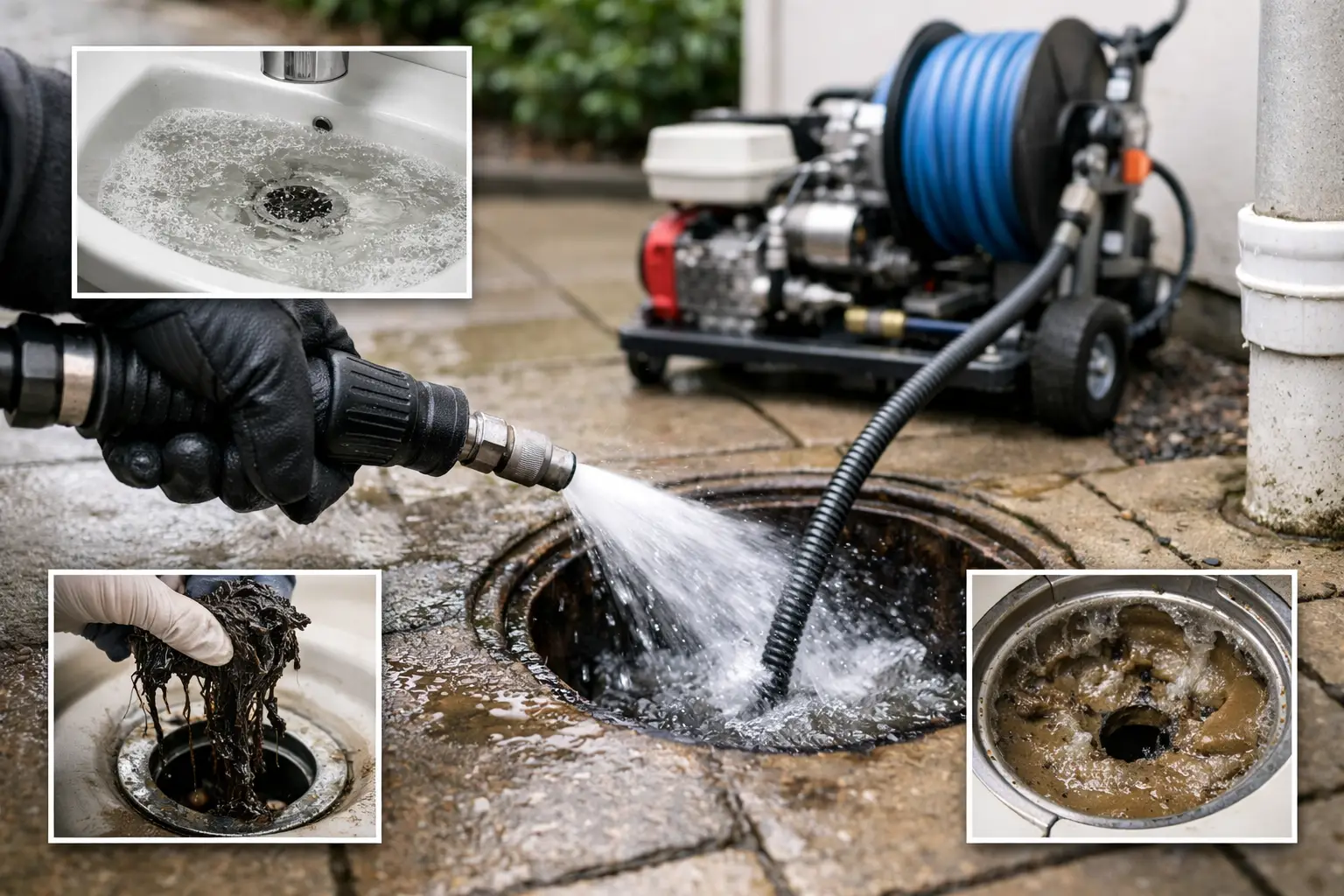
Hydro jetting works differently. It uses high-pressure water to clean the inside of the pipe. Instead of just opening a hole through the blockage, it clears grease, sludge, soap residue, scale, and other buildup from the pipe walls. When done correctly, it leaves the line far cleaner than a standard cable opening.
That difference is the whole story. A snake is often about breaking through. Hydro jetting is about cleaning out.
When a drain snake makes sense
A drain snake is often the right first move for a straightforward clog. If a bathroom sink is draining slowly because of hair and soap buildup near the trap or branch line, a cable tool may clear it quickly. The same goes for many toilet stoppages and smaller branch drain issues where the problem is compact and accessible.
Snaking can also be useful when the immediate goal is to restore flow fast and confirm what happens next. If the line opens and stays open, that may be all the system needed. If it opens but the problem returns, that tells you there is likely more buildup, a structural issue, or a deeper blockage in the system.
This method is practical, but it has limits. A snake can cut through soft stoppages or bore a channel through grease, but it often leaves residue behind. Picture poking a hole through the middle of a blockage while the pipe walls stay coated. Water may move again, but the line is still primed to clog.
That is why recurring backups are a red flag. If a line has already been snaked and the problem keeps coming back, the issue may not be access. It may be incomplete cleaning.
When hydro jetting is the better option
Hydro jetting is usually the stronger choice when buildup is spread throughout the pipe, not just sitting in one spot. Grease lines in restaurants, laundry drains with heavy residue, older cast iron with scale, and main sewer lines with years of sludge are good examples.
In these situations, punching a narrow opening through the blockage is rarely enough. The walls of the pipe are often coated, reducing flow and catching new debris almost immediately. Hydro jetting scrubs that buildup off the pipe interior and flushes it downstream, which can dramatically improve performance and reduce repeat issues.
It is also a strong option when camera inspection shows heavy buildup but no collapse that would make high-pressure cleaning unsafe. Professional jetting is not just about force. It is about matching pressure, nozzle selection, and technique to the line condition.
For commercial properties, hydro jetting can be especially valuable because recurring drain issues mean downtime, disruption, and unhappy customers or tenants. A cleaner line is a more dependable line.
The real trade-off: opening the line vs cleaning the line
Most people are not comparing tools. They are comparing outcomes.
If your priority is to get one fixture moving again after a localized clog, a snake may be exactly what the situation calls for. If your priority is to address recurring backups, heavy grease, sludge, or pipe wall buildup, hydro jetting usually offers a more complete result.
That does not mean hydro jetting is always the answer. Some older or damaged lines need to be inspected first. Cracked pipes, offset joints, and certain fragile conditions can change the approach. A professional diagnosis matters because the best drain cleaning method is the one that fits the pipe you actually have, not the symptom you noticed first.
Why recurring clogs usually need more than snaking
A recurring clog is one of the clearest signs that the line may not be fully cleaned. If a kitchen sink backs up every few months, or a basement drain has a pattern of trouble, the issue is often buildup along the interior walls. Each time the line is opened, it works for a while, then the remaining residue catches more debris and the cycle starts over.
This is common in older homes and commercial buildings, especially where grease, soap, paper, or scale have had years to accumulate. It is also common in cast iron lines, where corrosion and rough interior surfaces make it easier for waste to hang up.
In those cases, the drain snake vs hydro jetting decision becomes less about speed and more about staying power. Snaking may bring short-term relief. Hydro jetting is often what resets the line to a cleaner condition.
Why camera inspections matter before and after
The smartest drain cleaning decisions are based on evidence. A sewer camera inspection shows what is in the pipe, where the blockage sits, and whether there are structural concerns that affect the cleaning method.
Before cleaning, a camera can reveal grease buildup, scale, root intrusion, or sections of pipe that are cracked or shifted. That helps determine whether snaking, hydro jetting, descaling, or repair is the right path.
After cleaning, camera verification shows the result. That matters because restored flow is good, but verified cleaning is better. A line can seem open while still carrying heavy buildup. Seeing the pipe condition removes guesswork and helps property owners make informed decisions.
For a company like Titan Jetters, this kind of verification is part of doing the job right. Customers want more than a temporary fix. They want to know what was found and what was actually cleared.
Which method is better for older pipes?
Older pipes need a careful approach, not assumptions. Some are good candidates for hydro jetting. Others need lower pressure, staged cleaning, or repair planning first. Age alone does not rule out jetting, but condition matters a lot.
That is why a blanket answer is not honest here. A cast iron sewer line with moderate scale may respond well to professional cleaning. A badly deteriorated line with sections ready to fail needs a different conversation. The same goes for clay or Orangeburg systems that may already be compromised.
If you own an older property in Northern Virginia, this is one area where proper diagnostics can save time and avoid unnecessary mess. The method should fit the pipe, not the other way around.
How to think about the right choice
If the clog is isolated, recent, and limited to one fixture, a drain snake may be the sensible solution. If the problem is recurring, affects multiple fixtures, involves heavy grease or sludge, or points to a dirty main line, hydro jetting often makes more sense.
The bigger issue is not which method sounds stronger. It is which one solves the problem you actually have. Fast service matters, but complete service matters more when the goal is to avoid a repeat backup.
That is why experienced drain specialists do not just show up with one tool and force it into every situation. They inspect, explain, and choose the method that gives the property owner the best shot at a lasting result.
If your drains keep slowing down, backing up, or making the same mess over and over, the next step is not guessing. It is getting a clear look inside the line and using the right cleaning method for what is really there. That is how you protect your time, your property, and your peace of mind.