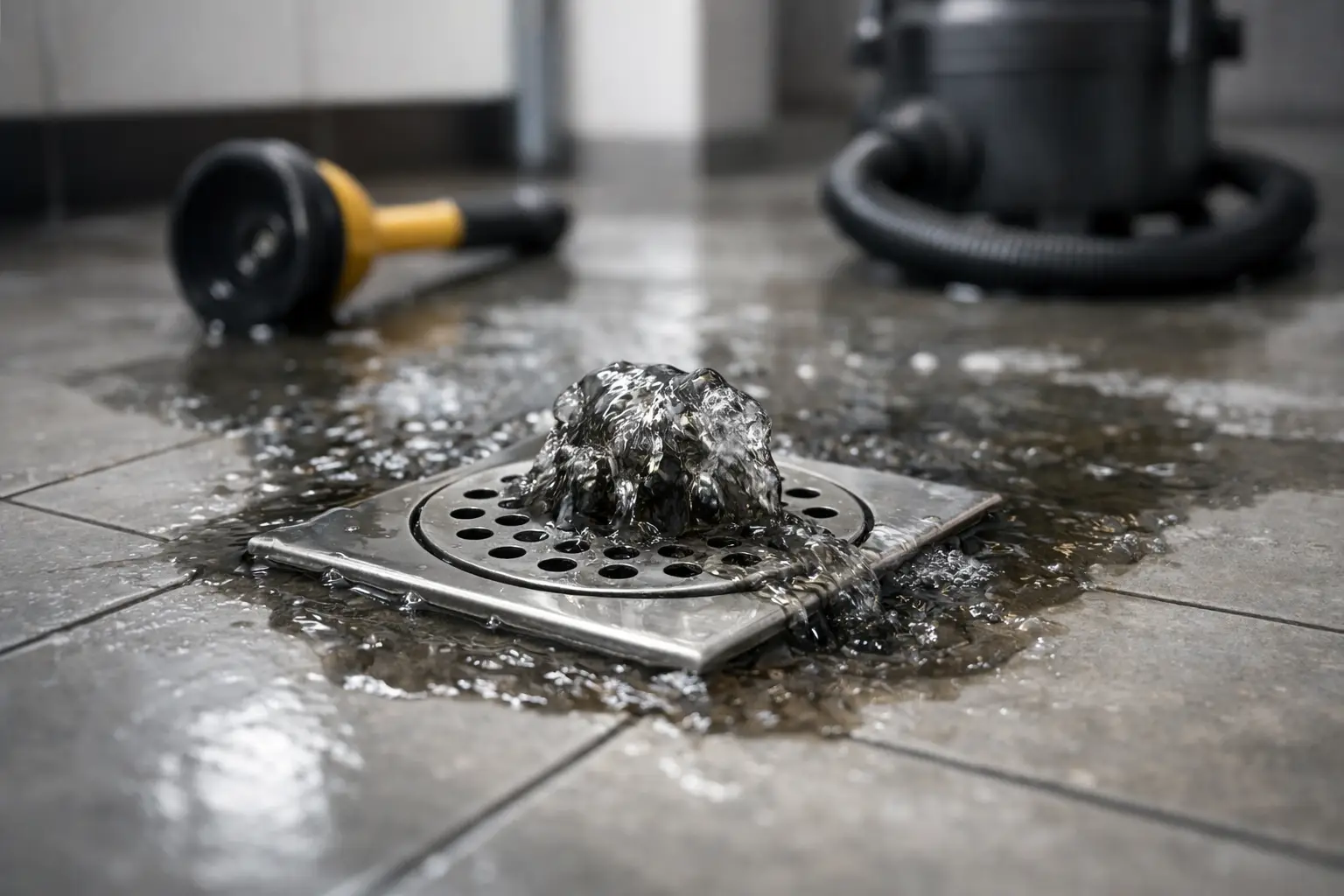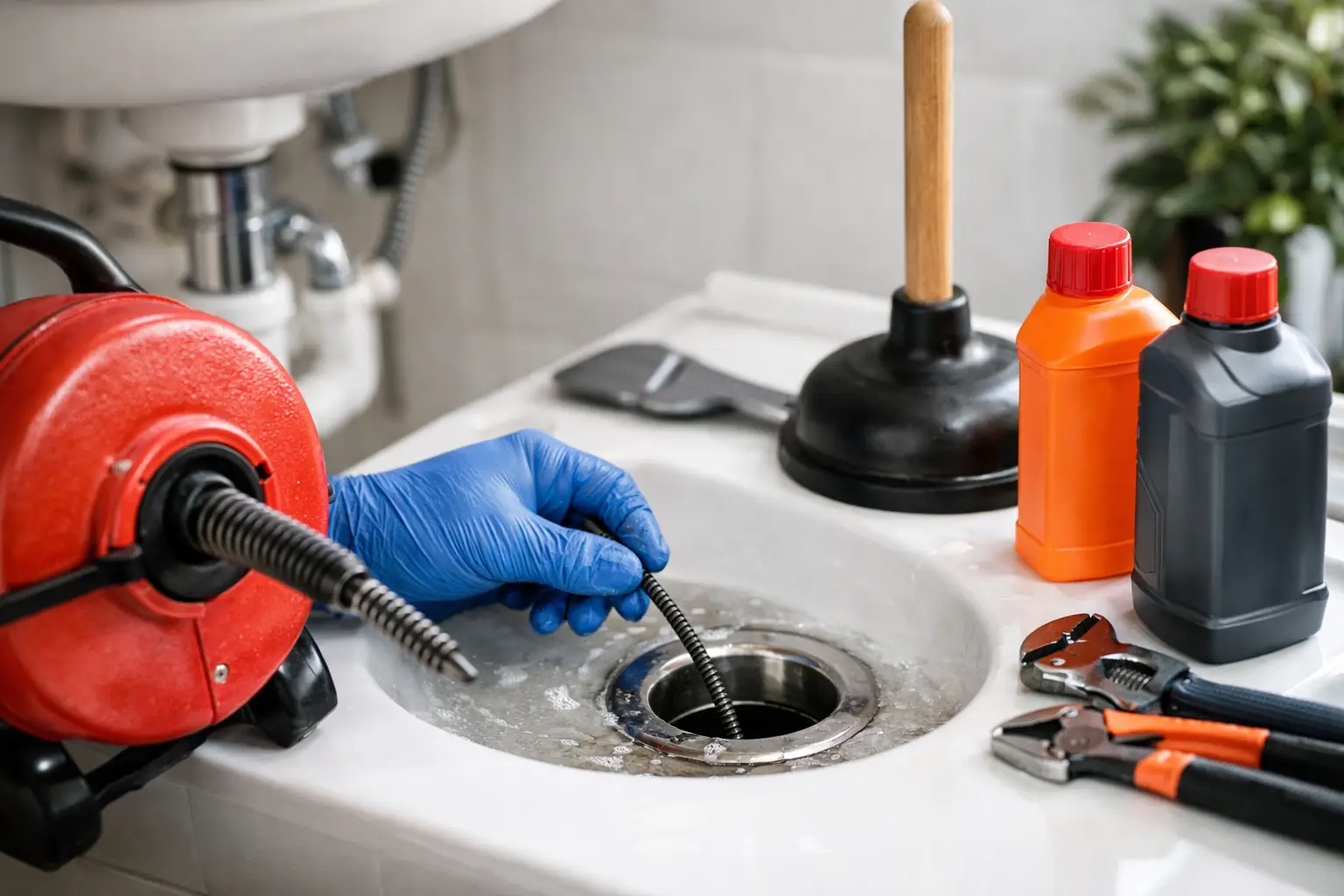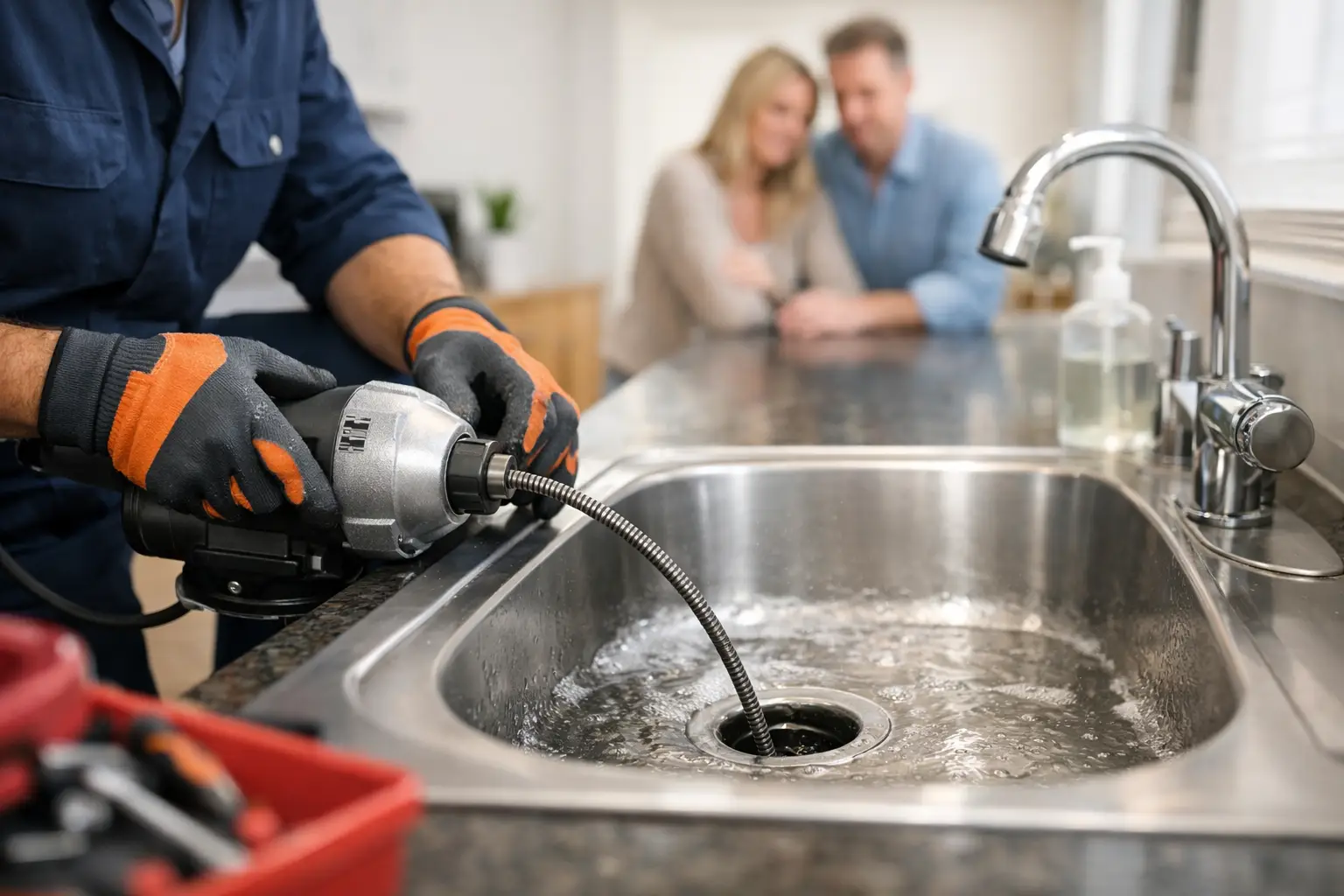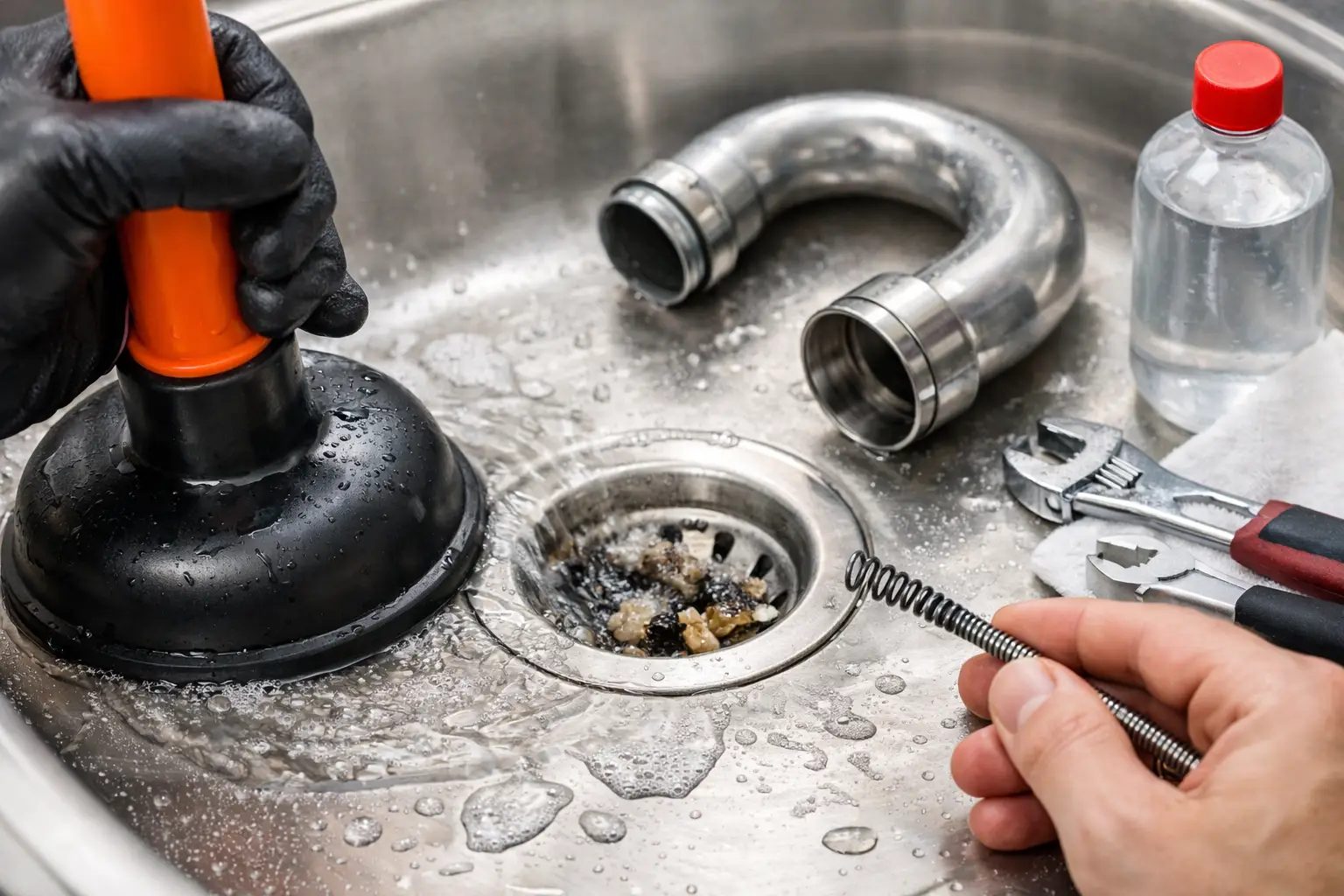
A drain that backs up once is annoying. A drain that clogs every few weeks is a warning sign.
That pattern usually means the problem is not sitting right under the stopper. It is deeper in the line, building over time, or tied to how the drain is being used every day. Homeowners across Northern Virginia run into this with kitchen sinks, shower drains, laundry lines, and even main sewer lines. The water goes down slowly, someone clears the symptom, and then the same clog comes right back.
If you want to know how to prevent recurring drain clogs, the real answer is not a quick fix. It is understanding what keeps feeding the blockage and dealing with the actual condition of the pipe.
Why drain clogs keep coming back
Most repeat clogs happen for one of three reasons. The first is buildup. Grease, soap residue, food particles, hair, lint, and scale do not always block a line all at once. They collect along the pipe wall little by little until the opening gets smaller and smaller.
The second is a line condition issue. Older cast iron lines can develop heavy scale inside the pipe. Some drains have offsets, bellies, or root intrusion that catch debris and turn minor waste into a full blockage. In these cases, clearing the immediate stoppage may restore flow for the moment, but it does not change the reason the clog forms in the first place.
The third is usage pattern. A busy household in Gainesville with multiple bathrooms, kids, and frequent laundry puts different demand on a drainage system than a lightly used home. The same goes for a small restaurant or commercial property in Prince William County where grease and food solids hit the drain system every day. Prevention has to match the real-world load on the line.
How to prevent recurring drain clogs at the source
The best prevention plan combines better day-to-day habits with periodic professional maintenance when the line condition calls for it.
In kitchen drains, grease is one of the biggest repeat offenders. Even if hot water seems to move it along, grease cools and sticks further down the line. Over time it traps food scraps, coffee grounds, and other debris. A kitchen sink that clogs every month is often dealing with a pipe wall coated in old residue, not one single fresh blockage.
Bathroom drains are different. Hair, soap scum, and product residue build together into a dense obstruction that narrows the trap arm and branch line. In many homes, that slow shower drain is not just a surface hair issue. The line may already be coated several feet beyond the drain opening.
Laundry drains create their own version of the same problem. Lint, detergent residue, and sediment can settle in the line, especially when the pipe is older or the slope is not ideal. We see this in Northern Virginia homes where the laundry standpipe overflows only during heavy wash days, then seems fine again once the water level drops.
That is why prevention starts with this simple rule – stop thinking only about the clog you can see. Think about what is collecting inside the pipe every week.
Everyday habits that make a real difference
A lot of drain issues are tied to normal routines, which is good news because small changes can reduce how fast buildup returns.
In the kitchen, keep grease, oils, and grease-heavy food waste out of the sink. Even a disposal does not make grease safe for the drain. It just breaks some material into smaller pieces that can still cling to the pipe. In bathrooms, drain screens help cut down on hair entering the line, especially in showers used daily by several people. For laundry, pay attention to how the standpipe drains during larger loads. A system that struggles under volume is already telling you something.
What matters here is consistency. Good habits slow buildup, but they do not reverse years of residue or scale already inside the line. If the drain has a history of recurring clogs, habit changes help most after the pipe has been cleaned thoroughly.
The warning signs homeowners should not ignore
Recurring clogs rarely start as a full emergency. They usually send signals first.
Slow drainage is the obvious one, but there are others. Gurgling sounds after water drains, odors coming from a sink or shower, water rising in a nearby fixture, or a drain that backs up only during heavy use all point to restricted flow. A toilet that bubbles when the shower runs can suggest a larger branch line or sewer issue, not just an isolated fixture clog.
In Bristow, Haymarket, and surrounding areas, we often see homeowners wait because the drain is still “working.” That delay is where repeat problems turn into messy ones. A partially blocked line tends to keep collecting debris. Once flow is restricted enough, the next busy morning, load of laundry, or dinner cleanup can push it over the edge.
Why snaking is not always enough
A cable machine has its place. It can punch through a blockage and get water moving again. But for recurring clogs, that may only create a narrow path through the buildup instead of removing the full layer stuck to the pipe wall.
Think of it this way – if the pipe is lined with grease or scale, opening a small hole in the center is not the same as restoring the pipe’s full diameter. Water flows for now, but the residue remains and starts catching debris again almost immediately.
This is one reason professional drain cleaning can look successful on day one and still fail too soon if the wrong method is used for the pipe condition. The right approach depends on the material of the line, the age of the system, the type of buildup, and whether there is damage or intrusion inside the pipe.
When hydro jetting and camera inspections prevent repeat problems
For many repeat clog cases, the long-term fix is not just clearing the line. It is cleaning the pipe wall thoroughly and confirming the result.
Hydro jetting uses high-pressure water to cut through grease, sludge, soap buildup, and other debris across the interior of the pipe. In the right application, it does a much more complete job than simply opening a path through the blockage. That matters when your goal is preventing the next clog, not just getting past today’s one.
Camera inspections add the part many homeowners never get to see – verification. If a line has heavy scale, root intrusion, or a structural issue, a camera shows whether the problem is buildup that can be cleaned, or a pipe condition that will keep causing trouble until it is repaired. In older neighborhoods around Manassas and parts of Fairfax and Prince William counties, this can be the difference between chasing the same symptom for months and finally getting a clear answer.
At Titan Jetters, that combination of cleaning and camera verification is what helps turn recurring drain calls into lasting results. It is fast, clean, and based on what the line actually needs.
Prevention looks different for each property
There is no one-size-fits-all schedule for drain maintenance.
A single-family home with one occasional slow shower may only need better usage habits and attention to early warning signs. A home with older cast iron piping and a history of kitchen backups may benefit from more proactive professional cleaning. Commercial properties and rental units usually need a more structured maintenance plan because the drains see heavier, less predictable use.
That is the trade-off. Waiting until a drain fully backs up may seem easier in the short term, but it usually means more disruption, more risk of overflow, and more frustration for everyone using the property. Preventive service takes planning, but it reduces surprises and helps protect the plumbing system from ongoing stress.
The smart time to call a drain specialist
If the same sink, tub, floor drain, or main line keeps giving you trouble, that is the time to stop treating it like a one-off event. A specialist can determine whether you are dealing with soft buildup, hard scale, roots, or a line defect that keeps catching debris.
That matters because recurring clogs are usually not random. They follow a pattern, and patterns can be diagnosed. The sooner that happens, the better chance you have of avoiding an after-hours backup, water damage, or downtime at your property.
If your drains are slow, gurgling, or backing up repeatedly, professional cleaning and inspection can save a lot of time and aggravation. You can learn more or book service at https://www.titanjetters.com.
A good drain should not need constant attention. When it does, the pipe is telling you something – and the right fix is the one that keeps the problem from coming back.