A slow kitchen line rarely stays a slow kitchen line for long. What starts as grease moving sluggishly through the drain can turn into recurring clogs, foul smells, backups at the worst time, and a sewer line that never seems fully clear. That is where hydro jetting for sewer grease buildup makes a real difference. When grease has coated the inside of a pipe, partial clearing is usually not enough. The line needs to be cleaned, not just poked through.
Why grease buildup becomes a sewer problem
Grease is one of the most stubborn drain and sewer line problems because it does not behave like a simple blockage. It starts soft, often from cooking oils, fats, food waste, and soap residue washing down the drain. Then it cools, sticks to the pipe wall, and begins collecting more debris. Over time, that sticky layer narrows the line and slows everything behind it.
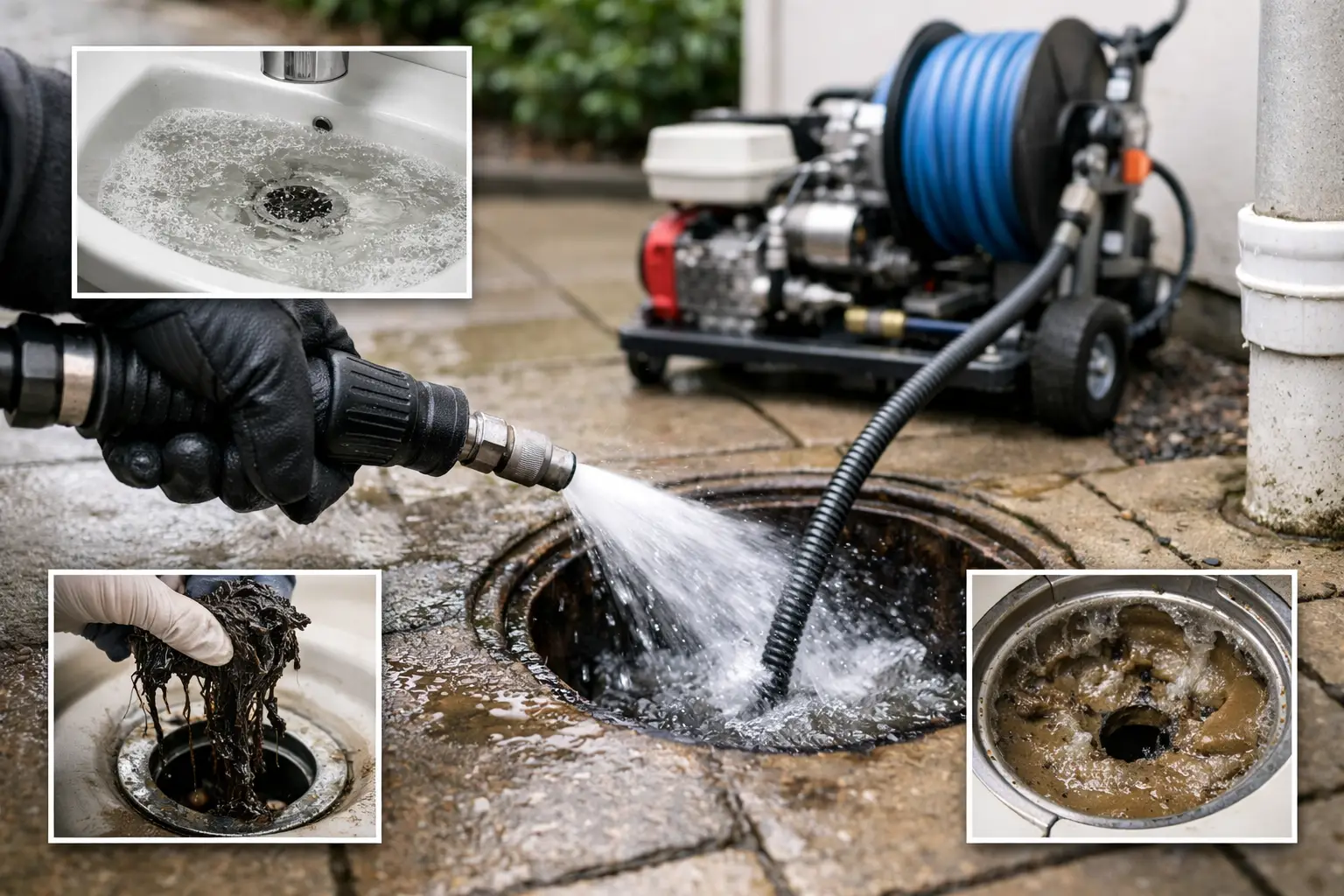
In kitchens, especially in busy homes and food service settings, this buildup can spread farther than people expect. It may begin in a branch drain and continue into the main sewer line. Once that happens, the symptoms stop looking like a basic kitchen clog. You may notice gurgling, frequent backups, standing water, bad odors, or multiple fixtures draining slowly at once.
The hard part is that grease buildup often comes back after a standard clearing if the pipe walls are still coated. A cable machine can punch a hole through the blockage and restore some flow, but grease left behind gives the next clog a place to start.
How hydro jetting for sewer grease buildup works
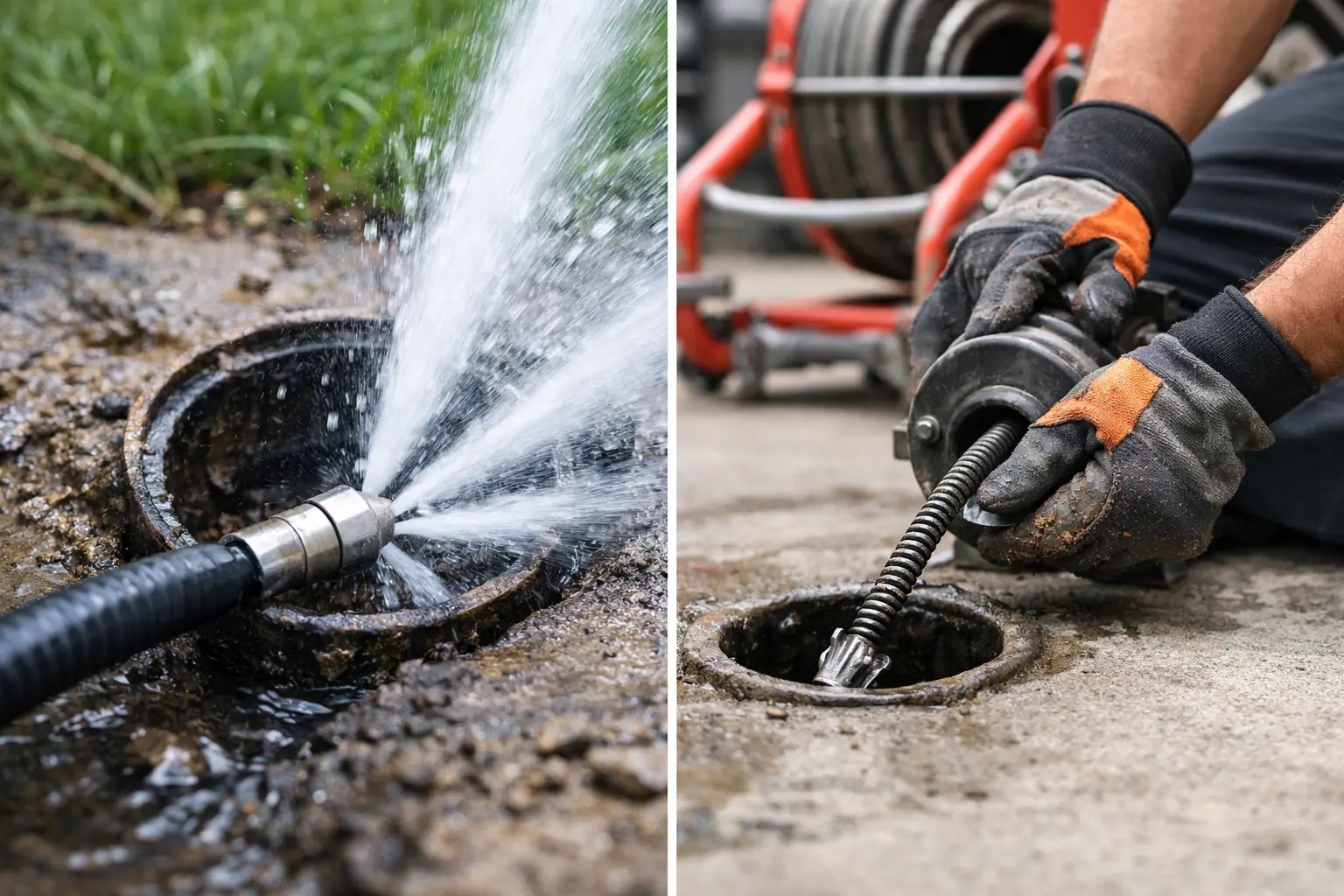
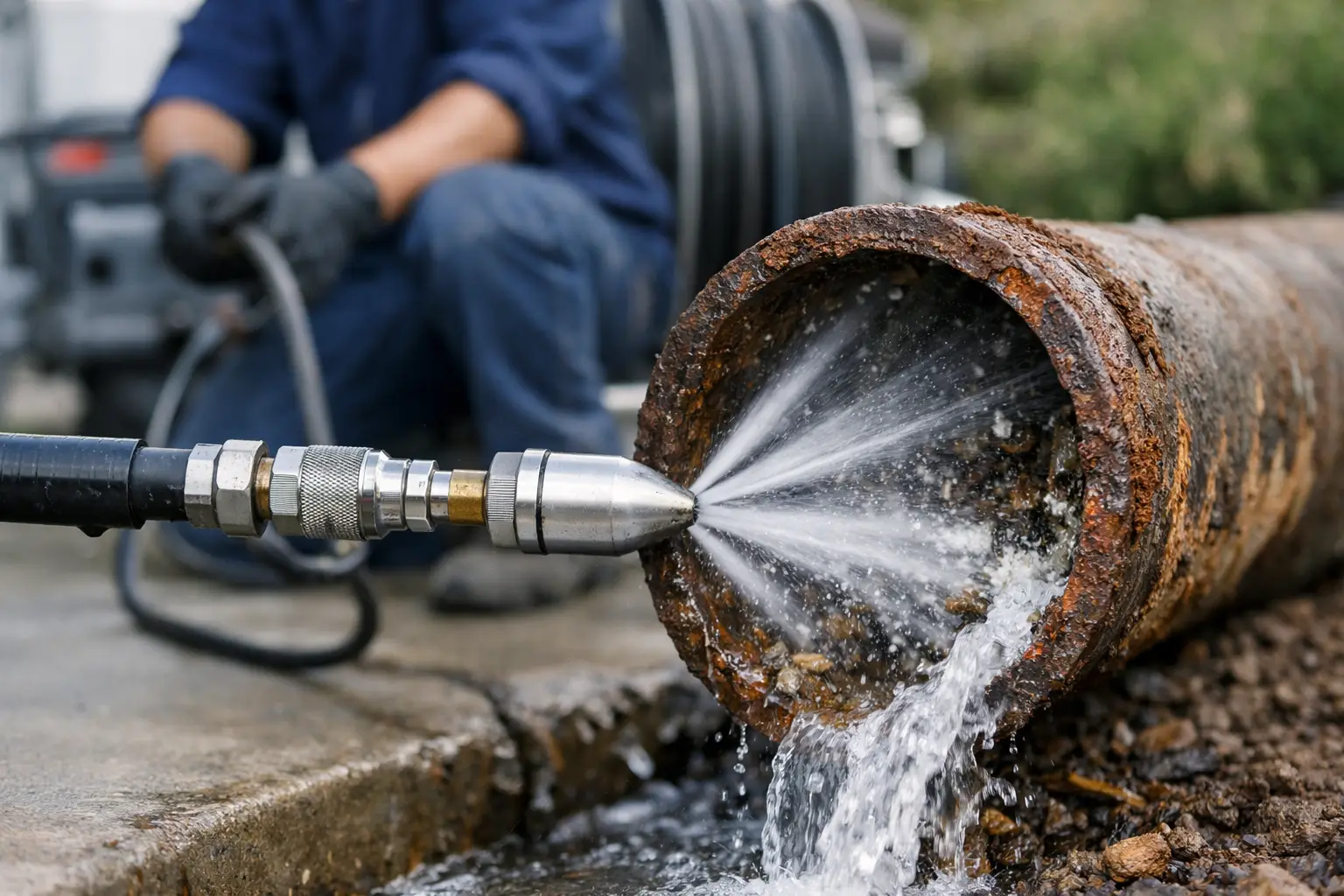
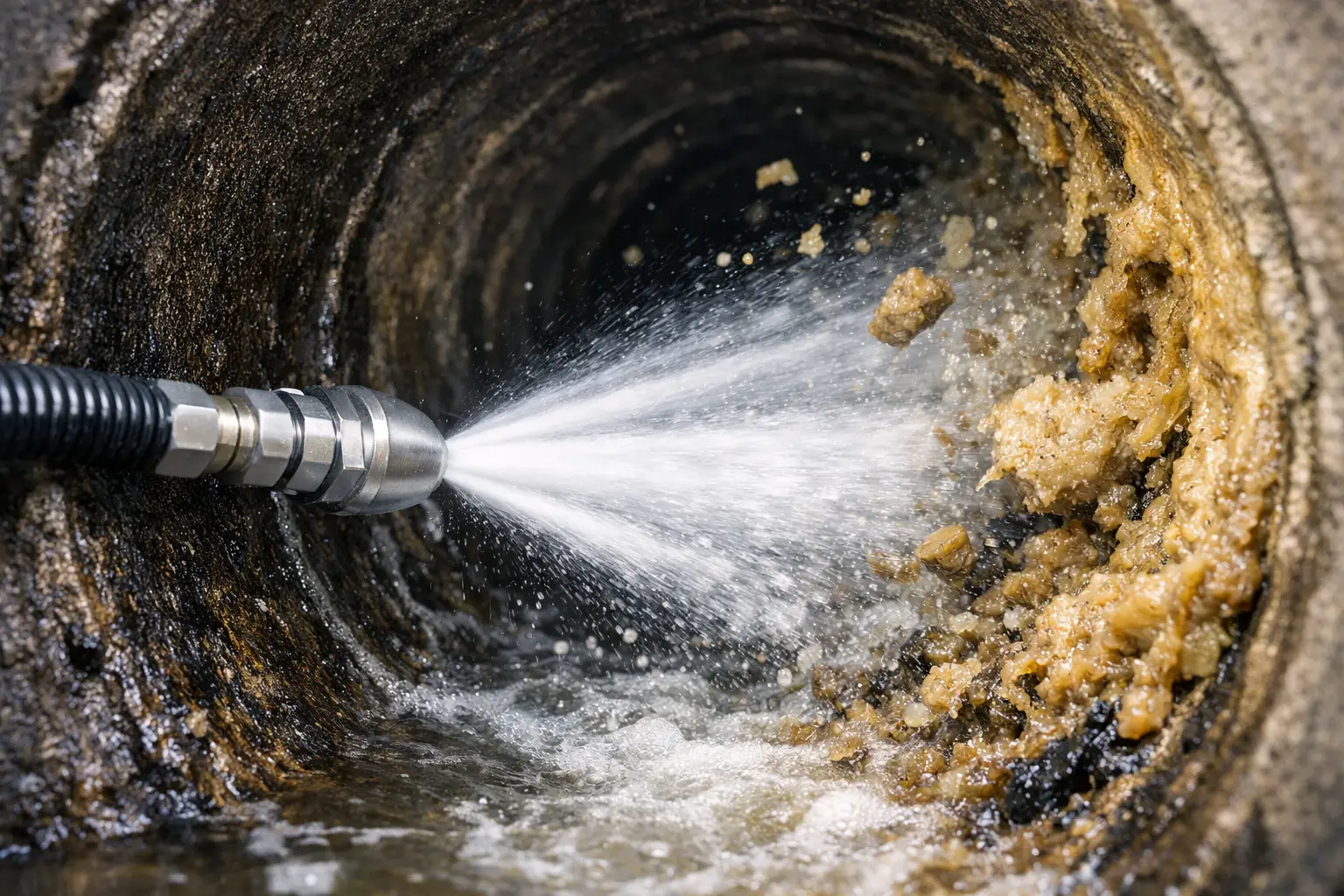
Hydro jetting uses high-pressure water to scour the inside of the pipe. Instead of simply opening a narrow path through the blockage, it breaks apart grease, flushes debris downstream, and cleans the pipe walls much more thoroughly.
That matters with grease because the real issue is not just the thickest part of the clog. It is the film and buildup lining the rest of the pipe. If the line is only partially opened, wastewater may move again for a while, but the root cause is still there.
A professional hydro jetting service typically starts by confirming the condition of the line. In many cases, a sewer camera inspection is the smart first step. It shows where the buildup is, how far it extends, and whether the pipe is in suitable condition for jetting. That last part matters. Not every old or damaged line should be treated the same way, and a good contractor does not guess.
Once the line has been evaluated, the jetting hose is fed into the pipe and pressurized water is directed through specialized nozzles. Those nozzles are designed to cut through buildup and clean in multiple directions. As the hose works through the line, it strips away grease, sludge, and loose debris that ordinary snaking often leaves behind.
Why hydro jetting usually outperforms basic clog clearing
Grease blockages are a good example of the difference between opening a drain and actually cleaning it. If a line has years of buildup, a temporary opening may solve today’s backup but not next month’s.
Hydro jetting is often the better fit because it addresses the full interior of the pipe. It restores diameter more effectively, improves flow, and reduces the amount of residue left for future clogs to latch onto. For restaurants, rental properties, and households with frequent kitchen use, that can mean fewer repeat service calls and less disruption.
There is also a diagnostic advantage when the work is done the right way. After jetting, the line can be camera inspected again to verify results. That gives the property owner something better than a guess. You can see whether the grease is gone, whether there are other issues in the pipe, and whether the line is flowing the way it should.
When hydro jetting for sewer grease buildup makes sense
Not every drain problem calls for hydro jetting, but grease-heavy lines often do. If the same clog keeps returning, if the kitchen drain has a history of slow flow, or if a sewer camera shows heavy buildup on the pipe wall, jetting is usually worth considering.
This is especially true in commercial kitchens, multifamily properties, and older homes where years of cooking grease and soap residue may have narrowed the line gradually. Many property owners assume the problem appeared suddenly because the backup did. In reality, the restriction often built up over time until normal use finally pushed the line past its limit.
There are cases where another approach may come first. If the pipe is collapsed, offset, or heavily damaged, cleaning alone will not fix the real problem. If scale, roots, or deteriorated cast iron are involved, the best solution may include additional diagnostics or a different service plan. That is why inspection matters. The right contractor explains what the camera shows and recommends the method that fits the actual condition of the line.
What property owners should expect from a professional service
The biggest difference between a rushed drain call and a specialist service is verification. With sewer grease buildup, confidence comes from knowing what is in the line before the work starts and what changed after the work is done.
A professional crew should assess the blockage, protect the work area, and use the right nozzle and pressure for the pipe condition. More pressure is not automatically better. The goal is effective cleaning with control, especially in older systems. This is where experience matters.
Clean job execution matters too. No homeowner or business operator wants a drain service that solves one mess by creating another. Good service means clear communication, respect for the property, and a technician who can explain the issue in plain language. If the line needs jetting, you should know why. If it does not, you should hear that too.
For customers in Northern Virginia dealing with repeat kitchen or sewer backups, this kind of straightforward approach is often what separates a short-term fix from a lasting one. Companies like Titan Jetters focus on camera-backed diagnostics and professional jetting because the goal is not to hope the line is clear. The goal is to know it.
Preventing future grease-related sewer backups
After a line has been properly cleaned, prevention becomes much easier. That does not mean grease problems disappear forever. It means the pipe is no longer starting from a restricted condition.
For some properties, especially commercial kitchens or homes with a history of heavy kitchen use, periodic maintenance can make sense. The timing depends on usage, pipe condition, and whether past backups have been frequent. A clean line flows better and gives you more margin before buildup starts creating trouble again.
It also helps to treat slow drains and recurring odors as early warning signs instead of waiting for a full backup. By the time wastewater is coming up where it should not, the line is usually well beyond a minor restriction.
The real value of hydro jetting
The reason hydro jetting works so well on grease is simple. Grease sticks, spreads, and keeps building unless it is fully removed from the pipe wall. A temporary opening may buy time, but it rarely gives the line a fresh start.
Hydro jetting does. When combined with proper inspection, it gives homeowners, landlords, and business operators a cleaner sewer line, better flow, and a clearer picture of what is happening underground. That means fewer surprises and fewer repeat problems.
If your drains keep slowing down, the smell keeps coming back, or backups are becoming routine, it may be time to stop treating grease like a one-time clog. A properly cleaned line gives you a much better chance of staying ahead of the next problem instead of reacting to it after the damage is done.