
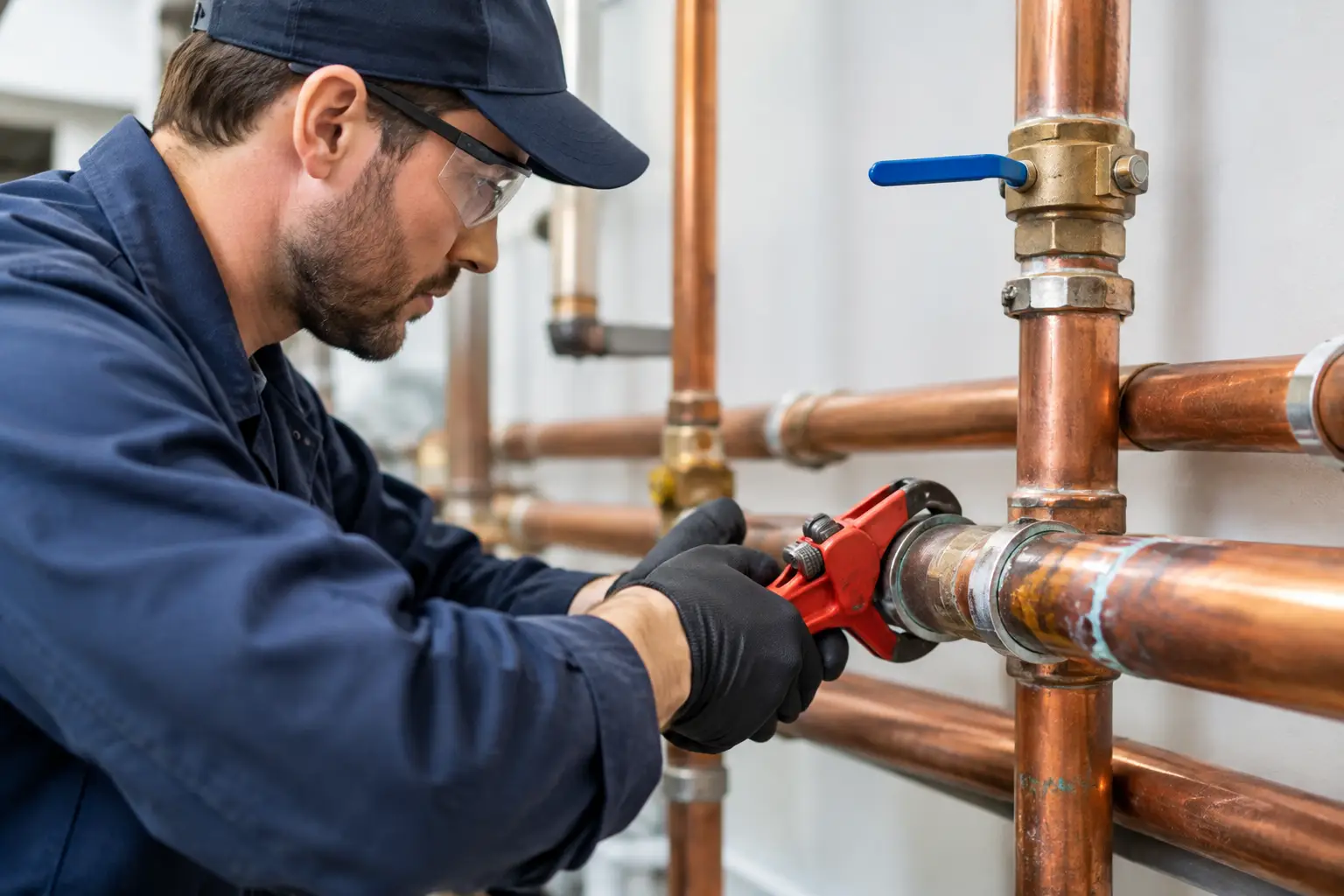
A pipe can look fine from the outside while corrosion is quietly narrowing the line, catching debris, and setting up the next backup. For homeowners and property managers, the best solutions for pipe corrosion start with identifying what is actually happening inside the pipe – not just clearing the immediate clog and hoping it stays gone.
Corrosion is not one problem with one fix. A scaled cast-iron drain line, a leaking water pipe, and a deteriorating sewer lateral may all involve corrosion, but they need different approaches. The right answer depends on the pipe material, the extent of damage, the location of the problem, and whether the line can still be cleaned safely and effectively.
Why Pipe Corrosion Causes Bigger Plumbing Problems
As metal pipes age, their interior surface can become rough, flaky, and uneven. Rust, mineral scale, and corrosion buildup reduce the available space inside the line. Waste, paper, grease, and other debris that once moved through freely can begin catching on those rough spots.
That is why corrosion often shows up as a drain problem before anyone sees a leak. You may notice a tub that drains slowly, recurring toilet backups, gurgling fixtures, or a kitchen line that clogs more often than it used to. In commercial properties and restaurants, grease buildup can make an already narrowed pipe clog even faster.
Corrosion can also weaken a pipe wall. At that point, aggressive cleaning alone may not be the right move. A professional diagnosis matters because the goal is not simply to restore flow for today. It is to understand whether the line is cleanable, damaged, or nearing failure.
Start With a Sewer Camera Inspection
A sewer camera inspection is usually the clearest first step for drain and sewer pipe corrosion. It lets a technician see the interior condition of the line instead of making assumptions from a surface-level symptom.
Camera diagnostics can reveal whether the issue is scale buildup, a heavy blockage, cracked pipe, offset joints, root intrusion, standing water, or a combination of problems. Just as important, the inspection shows where the trouble is located and how much of the line is affected.
For example, a recurring main sewer clog may come from a short section of heavily scaled cast iron near the foundation. Or the camera may show widespread deterioration through an older line. Those are very different situations, and they call for different recommendations.
At Titan Jetters, the focus is on diagnosing the cause before recommending a service. Seeing the inside of the pipe helps homeowners, landlords, and business owners make an informed decision based on the actual condition of their system.
Best Solutions for Pipe Corrosion in Drain Lines
Pipe Descaling for Heavy Interior Buildup
Descaling is often the best solution when corrosion has created thick buildup inside cast-iron drain pipes but the pipe still has enough structural integrity to be cleaned. Professional descaling equipment removes rust scale and hardened deposits from the inside wall, opening the line and reducing the rough surface that traps waste.
This is not the same as pushing through a clog. A basic cable may create a small path through buildup, but it can leave most of the scale behind. That is why a line may seem better briefly, then clog again soon after. Descaling addresses the material reducing the pipe’s usable diameter.
A follow-up camera inspection is valuable after descaling. It verifies the improvement, confirms the line is flowing, and helps identify any damaged areas that cleaning could not solve. Proof matters. You should not have to take anyone’s word for what happened inside your pipe.
Hydro Jetting for Residual Debris and Grease
Hydro jetting uses high-pressure water to clear grease, sludge, loose scale, and debris from drain and sewer lines. It can be highly effective after proper inspection, particularly for kitchen drains, commercial lines, and main sewer lines with heavy buildup.
However, hydro jetting is not automatically right for every corroded pipe. If a camera inspection shows a severely deteriorated, cracked, or compromised line, the technician should evaluate whether the pipe can safely handle the cleaning method. Good plumbing work means matching the equipment to the pipe condition, not using the same tool on every job.
When used appropriately, hydro jetting can restore flow throughout more of the line than a spot treatment. For properties dealing with repeated grease or sludge buildup, it may also help reduce the frequency of emergency drain calls.
Targeted Repair for Corroded or Leaking Sections
A pipe that is structurally failing needs repair, not repeated cleaning. Warning signs can include recurring leaks, sewage odors, wet areas near the line, repeated backups in the same location, or a camera inspection showing cracks, holes, or collapsed sections.
Targeted sewer line repair may make sense when the damage is isolated and the remaining pipe is in serviceable condition. This approach addresses the failed area without treating the entire system as a loss. The right scope depends on what the camera shows, where the line runs, and whether corrosion is limited to one section or present throughout.
For water lines, corrosion can cause pinhole leaks, discolored water, reduced pressure, or visible staining around fittings. Leak repair should begin with locating the source and assessing the condition of the affected piping. A repair can solve a local failure, while widespread aging may require a broader plan.
When Replacement Is the More Honest Answer
No homeowner wants to hear that an old line may need replacement. But there are cases where continuing to clean a badly deteriorated pipe turns into an expensive cycle of temporary fixes.
Replacement becomes more likely when a camera finds major breaks, repeated collapses, severe channeling at the bottom of a cast-iron pipe, or corrosion spread through long sections of the line. If cleaning removes loose material but exposes how thin or compromised the pipe has become, that is useful information – not a failed service.
The practical question is whether the line can deliver reliable service after cleaning and repair. A trusted drain and sewer specialist should explain the findings plainly, show you the evidence when possible, and present options without pressure.
Signs You Should Schedule a Professional Inspection
Corrosion rarely improves on its own. Waiting can turn a slow drain into a messy backup, especially when the main sewer line is involved. Schedule an inspection if you are seeing several of these signs:
- Drains that repeatedly slow down or clog after being cleared
- Gurgling toilets, tubs, or sinks when another fixture drains
- Sewer odors indoors or near the property
- Multiple fixtures backing up at the same time
- Old cast-iron drain pipes with a history of recurring problems
- Rust-colored water, pinhole leaks, or unexplained damp spots around water piping
These symptoms do not always mean corrosion, but they are good reasons to stop guessing. A camera inspection and line diagnostics can separate a simple blockage from a condition that needs descaling, cleaning, repair, or a longer-term replacement plan.
How to Protect Pipes After the Problem Is Solved
Once a corroded line has been cleaned or repaired, prevention comes down to limiting what builds up in the system and responding early when flow changes. For drain lines, keep grease, wipes, and heavy food waste out of the plumbing. Restaurants and commercial kitchens should stay ahead of grease accumulation before it becomes a shutdown-worthy backup.
It also helps to schedule professional cleaning or inspection based on the pipe’s age and history. A property with older cast iron and past backups may benefit from periodic monitoring. A newer system with no symptoms does not need the same level of attention. Maintenance should fit the condition of the line, not follow a one-size-fits-all schedule.
If you are dealing with recurring clogs, slow drains, or a suspected corroded sewer line in Gainesville, Bristow, Haymarket, or Manassas, get a clear look inside the pipe before the next backup forces the issue. The right diagnosis can protect your property, minimize downtime, and give you a solution that holds up.
