
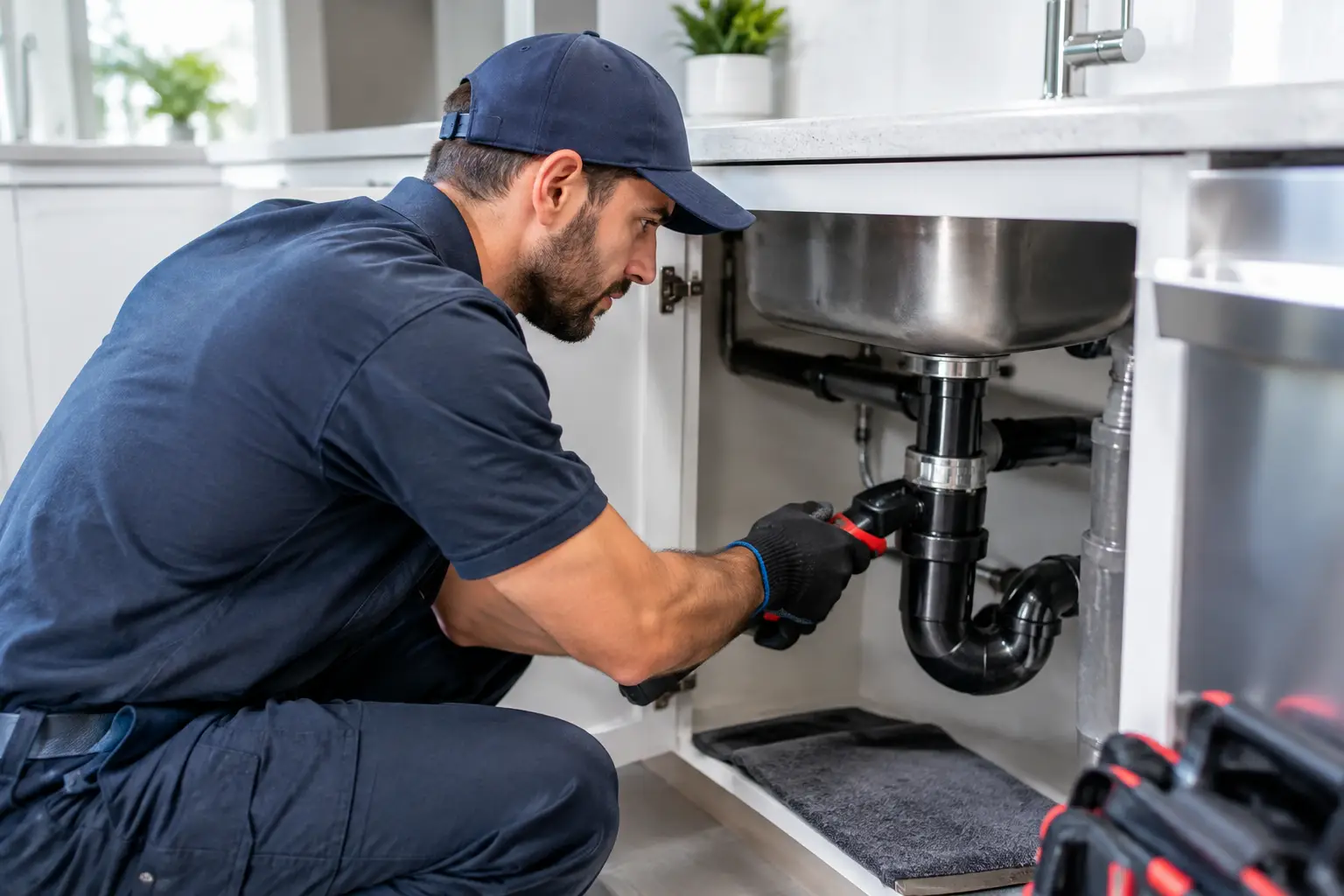
A sink that takes an extra minute to empty may not seem urgent, but are slow drains serious? They can be. A slow drain is often the first visible sign that buildup is restricting the pipe. In other cases, it is an early warning of a larger problem farther down the line, including a main sewer blockage, damaged pipe, or heavy scale inside older plumbing.
The key is whether the problem stays limited to one fixture or starts affecting multiple drains. One sluggish bathroom sink may be a localized clog. A kitchen sink, shower, and toilet all draining poorly at the same time is a different situation. That calls for a prompt professional diagnosis before wastewater backs up into the home or business.
When Are Slow Drains Serious?
Slow drainage becomes serious when it points to a problem beyond the fixture itself. Water has to move through a series of branch lines before reaching the main sewer line. Anything narrowing those lines – grease, soap residue, hair, mineral scale, flushed debris, roots, or pipe damage – can slow the flow.
The restriction may build gradually for months. That is why many homeowners put up with a slow sink or tub until the line stops draining altogether. Unfortunately, the cost and mess often increase once a partial blockage turns into a complete backup.
A slow drain deserves attention when it is recurring, getting worse, or showing up in more than one location. If clearing the surface debris seems to help briefly but the problem returns, the blockage is likely deeper in the pipe. Repeated symptoms are not something to ignore or simply cover up with temporary treatments.
The Warning Signs That Point to a Bigger Drain Problem
A single slow fixture can still need professional drain cleaning, but certain symptoms raise the urgency. Watch for these signs:
- Multiple fixtures draining slowly, especially on the same level of the property
- Gurgling sounds from a toilet, tub, shower, or sink after water is used elsewhere
- Water rising in a tub or shower when the toilet is flushed
- Sewage odors near drains, cleanouts, or the yard
- Wastewater backing up through a floor drain, shower, or tub
- A clog that returns soon after it appears to be cleared
These issues often indicate a restriction in a shared line or the main sewer line. For a homeowner, that can mean a messy backup in the lowest drain in the house. For a restaurant, office, or rental property, it can mean downtime, unhappy tenants or customers, and sanitation concerns.
If sewage is coming back into a fixture, treat it as an urgent plumbing problem. Stop using water-heavy appliances and fixtures if possible, and call for service. Continuing to run water can force more wastewater out through the backup point.
What Causes a Drain to Slow Down?
The cause depends on the fixture, the type of building, and the age and condition of the plumbing. Kitchen drains often collect grease, food residue, and detergent buildup. Bathroom drains commonly collect hair, soap film, and personal-care products. Those are familiar problems, but they are not the only ones.
In Northern Virginia homes with older cast-iron drain lines, internal corrosion and mineral scale can narrow the pipe from the inside. The pipe may look intact from the outside while the usable opening has become much smaller. This is one reason a drain can keep clogging even after standard clearing provides temporary relief.
Main sewer lines have their own set of issues. Roots can enter through vulnerable joints or damaged sections. Settled soil, cracks, offsets, and deteriorated pipe can catch paper and debris. A low section of pipe can also hold waste and water rather than allowing it to flow properly. No amount of guesswork at the sink can confirm which of these conditions is present.
Commercial drains face additional pressure. Heavy grease use, frequent handwashing, food debris, and high daily volume can cause restrictions to build faster. A slow floor drain or kitchen line may be an early chance to schedule cleaning before it becomes a service interruption.
Why Temporary Fixes Often Do Not Last
A drain may improve for a few days after a partial clog is disturbed, but improvement is not the same as a clean pipe. Material can remain on the pipe wall, allowing the restriction to form again quickly. This is especially common with grease buildup, scale, roots, and dense debris in a main line.
Chemical drain products are also a poor answer for recurring problems. They may not reach or remove a deep blockage, and repeated use can be hard on certain plumbing materials. More importantly, they do not identify whether the issue is buildup, a broken pipe, root intrusion, or a sewer-line defect.
The right service should match the actual condition inside the line. Cable equipment can be effective for certain clogs. Flex-shaft cleaning can remove tough buildup in appropriate lines. Hydro jetting uses high-pressure water to clear grease, sludge, and debris from the pipe wall. For older cast iron with heavy internal buildup, descaling may be the more appropriate solution. The best option depends on the pipe material, blockage location, and condition of the line.
A Sewer Camera Inspection Replaces Guesswork
When slow drains keep returning, a sewer camera inspection provides answers that a surface-level inspection cannot. A camera allows a trained technician to see inside the drain or sewer line and identify what is restricting flow.
That matters because the same symptom can have very different causes. A recurring bathroom backup might be hair and soap buildup close to the fixture. It could also be scale in an aging line or a main sewer issue affecting the whole home. A camera inspection can reveal roots, offsets, cracks, standing water, buildup, and other conditions that affect the recommendation.
This approach helps avoid selling the wrong service. If the line is packed with grease or debris, professional cleaning may restore full flow. If the camera shows pipe damage, cleaning alone may not be a lasting fix. Clear diagnostics let you make an informed decision based on what is actually happening underground or behind the walls.
When to Schedule Drain Cleaning and When to Call Now
Schedule professional drain service soon if a drain is consistently slow, produces odors, or clogs repeatedly. This is the right time to address the issue before it disrupts the property. For landlords and property managers, acting early can prevent a tenant complaint from turning into a backup and cleanup problem.
Call for prompt service when several drains are slow, toilets gurgle, water appears in another fixture, or sewage backs up. Those symptoms can signal a main line restriction. They are not a wait-and-see situation, particularly if the property has a finished basement, lower-level bathroom, or floor drains.
At Titan Jetters, the focus is on finding the cause of the problem, not just getting water moving for the moment. Professional drain cleaning, hydro jetting, descaling, and sewer camera diagnostics give Gainesville, Bristow, Haymarket, and Manassas property owners a clear path from recurring symptoms to a proper solution.
The Cost of Waiting on a Slow Drain
Not every slow drain means a major sewer repair is ahead. Sometimes the fix is straightforward. But waiting removes the chance to deal with a small restriction on your terms. A line that is draining slowly today can become a no-drain emergency during a busy morning, a holiday gathering, or a restaurant rush.
There is also a property-protection issue. Water and sewage backups can damage flooring, drywall, personal belongings, and finished spaces. The best time to inspect a recurring drain problem is before contaminated water has a route back into the building.
Pay attention to changes in how your drains behave. If the issue is isolated and new, it may be a localized clog. If it is recurring, spreading to other fixtures, or accompanied by gurgling and odors, it is time for a professional evaluation. Fast, accurate diagnosis now can keep a slow drain from becoming the problem that stops your whole property.
