
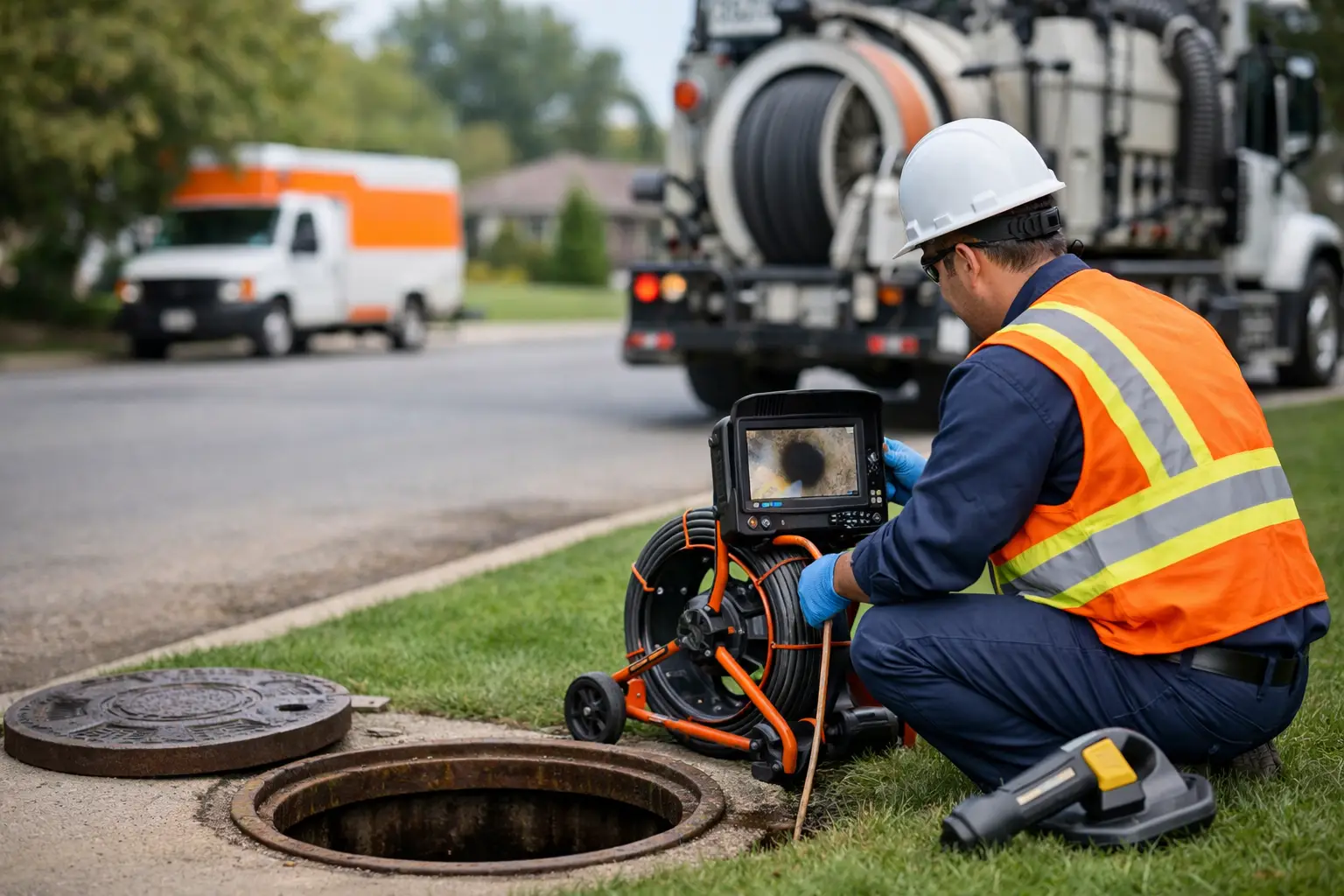
A sewer problem usually does not start with a dramatic collapse. More often, it starts with a slow hall bathroom drain, a toilet that bubbles when the shower runs, or a backup that seems to come and go for no clear reason. That is where gainesville sewer inspections make a real difference. Instead of guessing, a camera inspection shows what is happening inside the line so the next step is based on evidence, not trial and error.
For homeowners and property managers, that matters. Drain problems are disruptive enough on their own. What makes them worse is paying for repeat visits because the original cause was never confirmed. A proper sewer inspection helps separate a simple blockage from a deeper issue like root intrusion, scale buildup, a belly in the line, or a cracked section of pipe.
What sewer inspections actually show
A sewer camera inspection uses specialized equipment to travel through the drain or sewer line and send back a live view from inside the pipe. That allows a technician to see whether the problem is grease, wipes, roots, heavy buildup, offset joints, corrosion, or physical damage. In many cases, the inspection also helps locate where the issue sits in the yard or under the slab, which makes repair planning a lot more precise.
This is one of the biggest advantages of camera diagnostics. Drain symptoms can overlap. A slow drain in one bathroom might point to a local branch clog, or it could be the early sign of a main line restriction. Without seeing inside the pipe, those situations can look similar from the surface.
For older properties, the inspection can also reveal long-term wear that has nothing to do with a single clog. Cast iron lines may show scaling and rough interior walls. Orangeburg can deform. Clay pipe may allow root entry at the joints. PVC can still shift or separate if the ground settles. The camera does not fix the problem by itself, but it gives a clear picture of what kind of problem you are actually dealing with.
When Gainesville sewer inspections make sense
Some calls are obvious. If sewage is backing up into tubs or floor drains, a camera inspection is often the fastest way to understand whether the line is blocked, broken, or both. But plenty of inspections happen before the situation reaches that point.
If drains throughout the house are slow at the same time, that is a sign worth taking seriously. If one fixture affects another, such as flushing a toilet causing a nearby shower drain to gurgle, the main line may be restricted. Recurring clogs are another red flag. If the same area keeps clogging after clearing, there is usually a reason underneath the repeat symptom.
Inspections also make sense before major decisions. If you are buying a home, managing a rental, or trying to figure out whether cleaning the line will solve the issue or if a repair is needed, getting visual confirmation can save time and avoid the wrong fix. The same applies to commercial spaces where downtime matters. Restaurants, retail properties, and multi-tenant buildings benefit from knowing whether the issue is isolated or part of a larger system problem.
What inspectors often find in sewer lines
Roots are a common issue, especially in lines with aging joints. A tree does not need a wide opening to cause trouble. Fine roots can enter through small gaps, then expand over time and catch debris flowing through the pipe. The result is a blockage that keeps coming back until the intrusion is fully addressed.
Buildup is another frequent discovery. Grease, sludge, paper residue, and mineral deposits can narrow the pipe diameter enough to slow flow and trap waste. In cast iron, scale can become severe enough that the inside of the line looks much smaller than it should. In those cases, a cable might poke a hole through the blockage, but it may not restore full flow. That is why an inspection after cleaning can be just as valuable as one before it.
Then there is structural damage. Cracks, separated joints, bellies, and crushed sections are not always visible from outside the home. A line may still drain, just poorly, until a larger backup happens. Seeing that condition early helps owners make informed decisions while the issue is still manageable.
Why a camera inspection beats guesswork
The biggest benefit is accuracy. If you know what is inside the pipe, you can match the solution to the problem. That may mean hydro jetting to remove heavy grease and sludge, descaling to address rough cast iron buildup, or a targeted repair if a section has failed. It also helps avoid doing unnecessary work when the issue is smaller than expected.
There is also a trust factor. A lot of customers simply want proof. They want to understand why a drain keeps backing up and what was actually found. A camera inspection provides that clarity. It turns a vague plumbing explanation into something visible and specific.
That matters even more when the problem is urgent. During a backup, people want fast answers, but they also want the right answer. A clear diagnosis helps move the job forward without wasting time on the wrong approach.
Gainesville sewer inspections and drain cleaning often go together
In real service calls, inspection and cleaning are often part of the same process. The camera identifies the blockage or damaged area. From there, the line may need to be cleared with professional drain equipment, hydro jetted to remove heavy buildup, or descaled if corrosion and deposits are restricting the flow.
This is where experience matters. Not every line should be treated the same way. A badly deteriorated pipe may need a careful approach. A grease-heavy commercial line may benefit from aggressive cleaning and then a verification pass with the camera. A root-filled line may clear temporarily, but the footage helps show whether the pipe condition will continue causing trouble.
That “it depends” factor is exactly why inspections are useful. They keep the recommendation grounded in the actual condition of the sewer line rather than assumptions.
What to expect during the inspection
Most sewer inspections are straightforward. A technician accesses the line through an appropriate cleanout or drain opening and feeds the camera through the pipe. The live footage shows the pipe wall, the water flow, and any visible defects or blockages. If needed, the equipment can help identify the location and depth of the issue.
The process is typically clean and efficient when handled by a crew that works in drain and sewer diagnostics every day. Just as important, you should get a plain-English explanation of what the camera found. Customers should not have to translate technical jargon to understand whether the problem is a soft blockage, root intrusion, heavy scale, or a damaged section of line.
That explanation is often where good service stands out. A solid inspection is not just running a camera. It is diagnosing the line correctly, explaining the findings honestly, and laying out the next step without pressure or guesswork.
Choosing the right time to schedule sewer inspections
Not every drain issue needs a camera right away, but recurring or system-wide symptoms usually justify one. If you have had multiple backups, repeated clearing with short-lived results, or signs that more than one fixture is affected, waiting usually does not make the line healthier. It often just gives the problem time to get more expensive and more disruptive.
For Gainesville-area properties with older sewer systems, periodic inspections can also be part of smart maintenance. That is especially true if the line has a history of roots, scale, or heavy use. Catching deterioration early gives you more options than dealing with a full backup on a busy weekday morning.
A specialist with the right equipment can usually tell the difference between a line that needs cleaning, a line that needs closer monitoring, and a line that has reached the point where repair should be discussed. That kind of clarity is what most property owners are really after.
If your drains have been sending mixed signals, do not settle for another temporary guess. A proper sewer inspection gives you a direct look at the problem, a cleaner path to the right fix, and a lot more confidence in what happens next.
