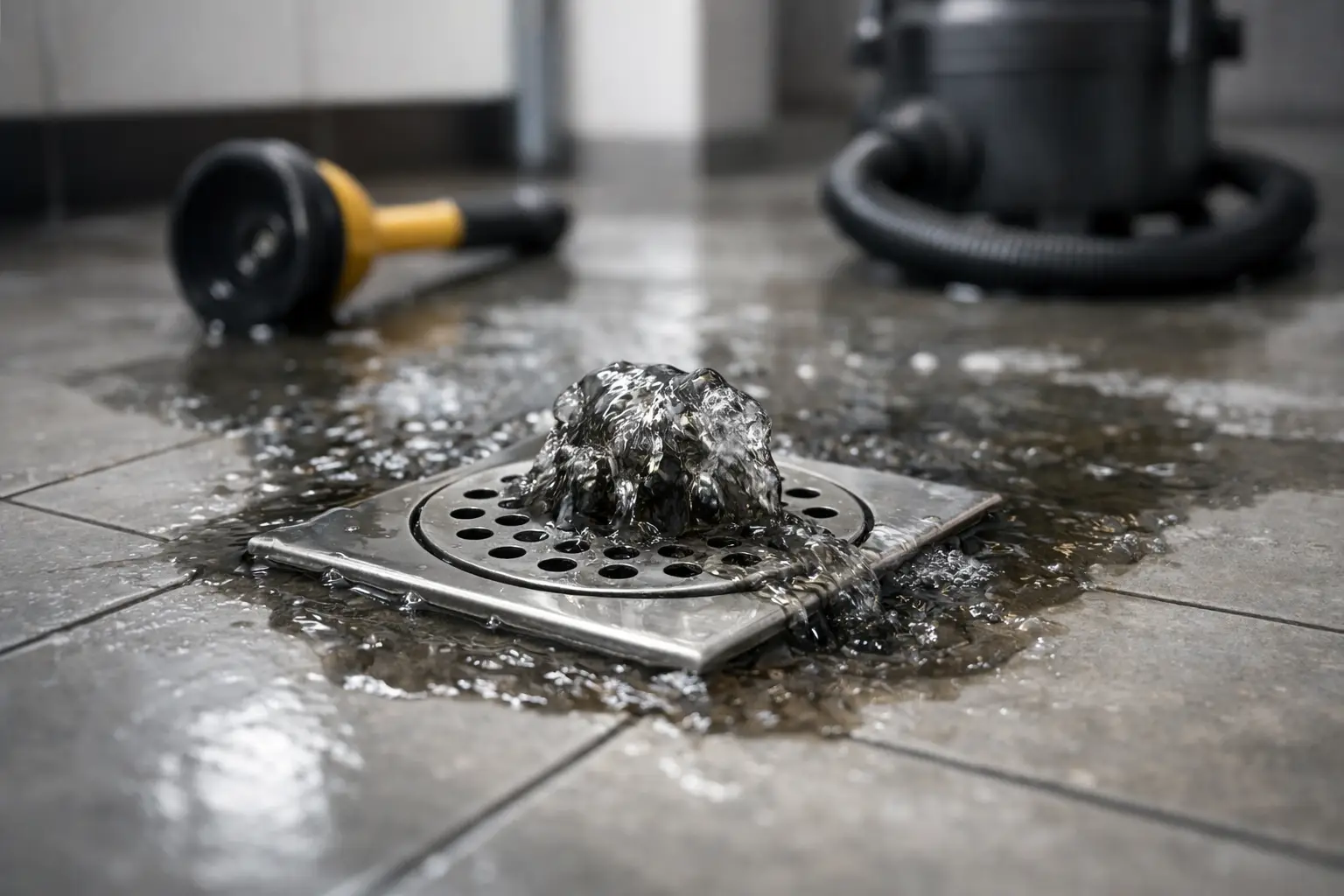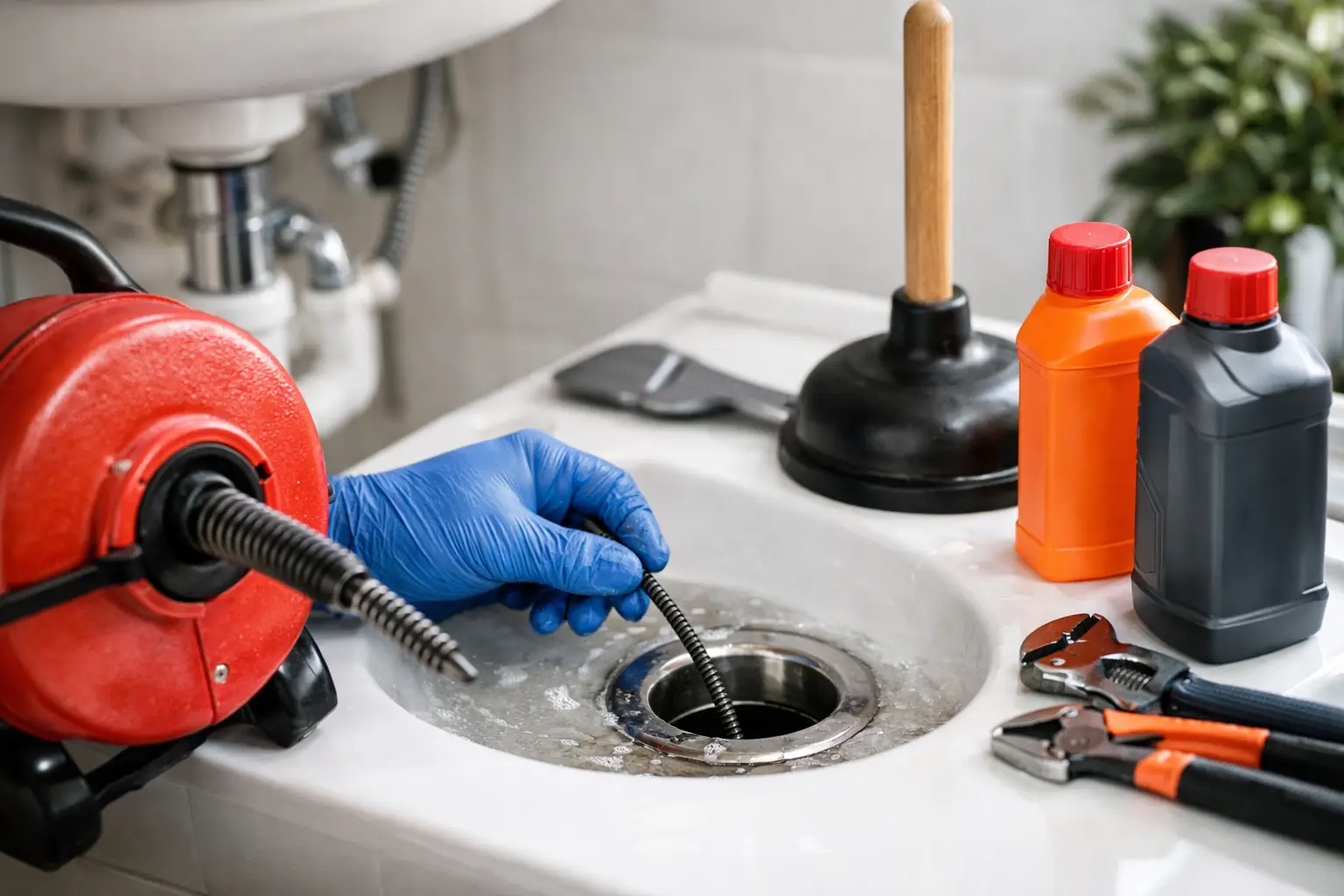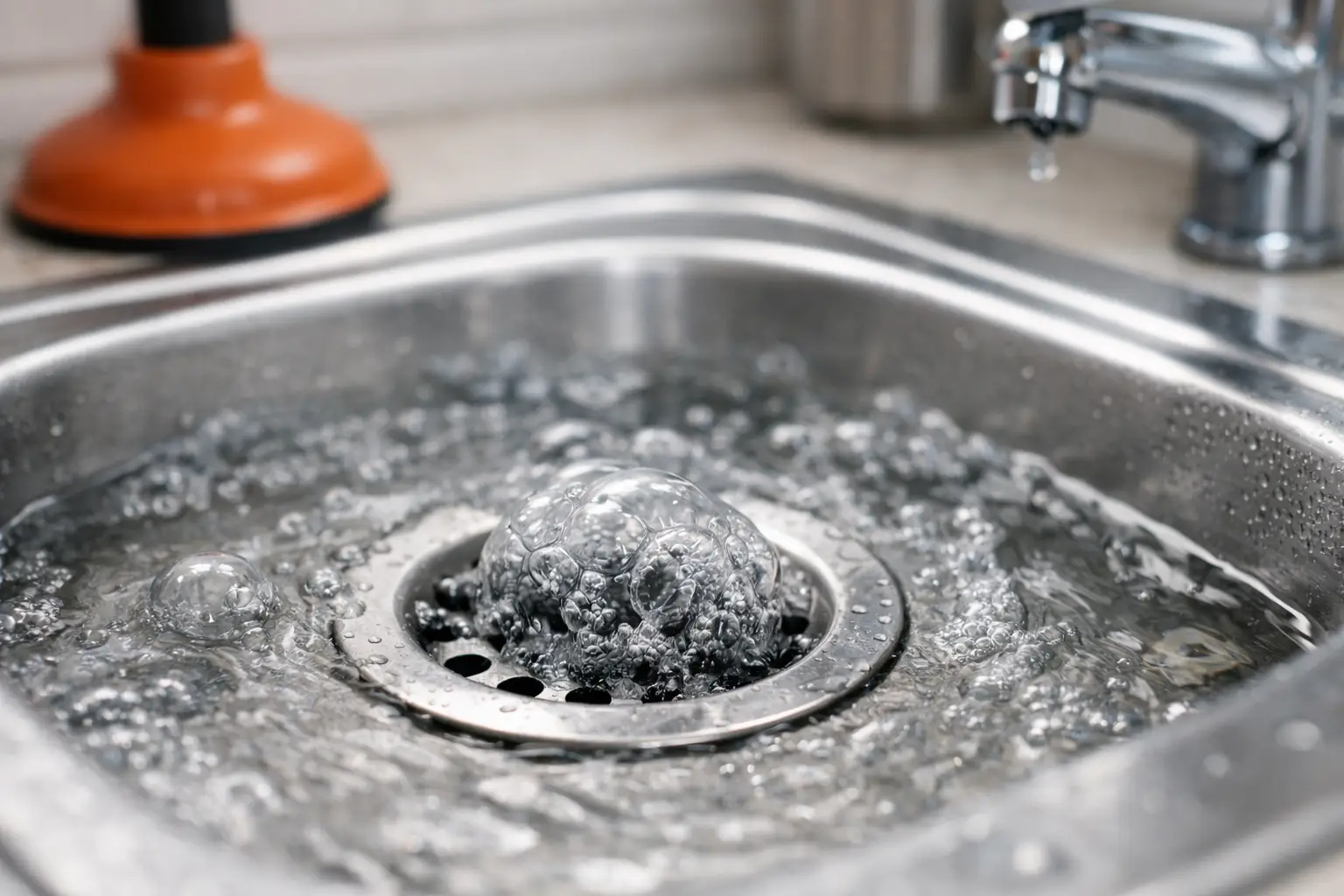
You flush a toilet or drain a sink, and somewhere else in the house you hear that hollow, bubbling sound. It is easy to ignore once or twice. But if you are wondering what causes gurgling drains in house plumbing, that noise usually means the system is struggling to move air and water the way it should.
A healthy drain system is quiet for the most part. Wastewater flows out, air moves through the venting system, and fixtures drain without much drama. When a drain starts gurgling, it is often a sign that water is pushing past a blockage, pulling air through a restricted line, or reacting to a venting issue. Sometimes the fix is minor. Sometimes it is an early warning that a main line problem is building.
What causes gurgling drains in house plumbing?
In plain terms, gurgling happens when air gets trapped or displaced in the drain system. Instead of moving smoothly through the pipe and vent stack, that air gets forced through water in a trap or fixture. That creates the bubbling or gulping sound homeowners notice in sinks, tubs, showers, or toilets.
The key point is that gurgling is not usually the problem itself. It is a symptom. The real issue is somewhere in the drainage or vent system, and the location matters. A single slow bathroom sink points in one direction. Multiple fixtures gurgling at the same time points somewhere else entirely.
Partial drain clogs are one of the most common causes
A partial blockage in a branch drain is a frequent reason for gurgling. Hair, soap residue, grease, food waste, and sludge can narrow the pipe enough to disrupt flow without stopping it completely. Water still gets through, but it does not move cleanly. As it squeezes past the restriction, air pockets form and create that familiar sound.
This is why a shower may gurgle before it starts backing up, or why a kitchen sink may sound noisy after running the disposal or draining a full basin. The line is not fully closed off yet, but it is no longer flowing the way it should.
Vent pipe problems can create the same sound
Your plumbing system needs venting to work correctly. Vent pipes let sewer gases escape and allow air into the drainage system so water can move freely. If a vent is blocked by debris, leaves, nesting material, or other obstructions, the system starts pulling air from wherever it can. That often means through the water in a fixture trap.
When that happens, you hear gurgling. In some homes, vent issues show up more after heavy storms or seasonal debris buildup. The challenge is that vent-related gurgling can sound a lot like a drain clog, which is why proper diagnosis matters.
Main sewer line trouble raises the stakes
If more than one fixture is gurgling, especially on different floors or in different rooms, the issue may be deeper in the system. A developing sewer line blockage can force air and wastewater to behave unpredictably throughout the house. You might flush a toilet and hear the tub gurgle. You might run the washing machine and notice bubbling in a nearby shower.
That kind of cross-fixture reaction is a red flag. It can mean the main line is partially blocked by wipes, grease buildup, scale, root intrusion, or a sag in the line. At that point, the noise is not just annoying. It may be warning you that a backup is on the way.
Why toilets and tubs often gurgle first
Toilets and tubs tend to reveal drain system problems early because they move a lot of water and are closely tied into larger drain branches. A toilet flush creates strong movement in the line. If the branch or main drain is restricted, that surge can push air into nearby fixtures.
Tubs and showers also make the sound easy to hear because the trap and drain opening are wide enough for bubbling noises to carry. So even when the problem starts somewhere else, those fixtures often act like the messenger.
What a gurgling toilet usually means
A gurgling toilet can point to a local toilet drain obstruction, but it can also indicate a venting issue or a larger sewer line restriction. The context matters. If the toilet is the only fixture acting up, the problem may be close to that bathroom. If the toilet gurgles when another fixture drains, the system is telling you something bigger is going on.
A toilet that gurgles and occasionally has a weak flush should not be brushed off. That pattern often shows up before a more serious blockage develops.
What a gurgling tub or shower can signal
A tub or shower that gurgles when the toilet flushes is one of the clearer signs of a shared drain line issue. In many homes, those bathroom fixtures connect along the same branch before tying into the main line. If that line is restricted, the flush can displace air through the tub trap.
If the tub gurgles on its own and drains slowly, the issue may be more local. Hair and soap buildup are common there. But if the tub reacts when other fixtures are used, it is smart to think beyond that single drain.
When gurgling means you should act quickly
Not every noisy drain is an emergency, but some combinations of symptoms should move the problem up your list fast. If gurgling comes with sewer odor, recurring clogs, slow drains in more than one area, water backing up into tubs or showers, or toilet water levels changing unexpectedly, the risk of a larger blockage goes up.
This is especially true in older homes with cast iron drain lines. Scale buildup inside the pipe can reduce the opening over time, catching waste and paper long before the line fully blocks. In those cases, the drain may seem to work fine right up until it does not.
For homeowners and landlords, the trade-off is simple. Waiting may buy you a little time, but it can also turn a manageable drain issue into a messy cleanup and a much bigger disruption.
How the real cause gets identified
Because gurgling can come from more than one source, guessing is where people lose time. A proper diagnosis usually comes down to understanding whether the issue is in a fixture drain, a vent, a branch line, or the main sewer line.
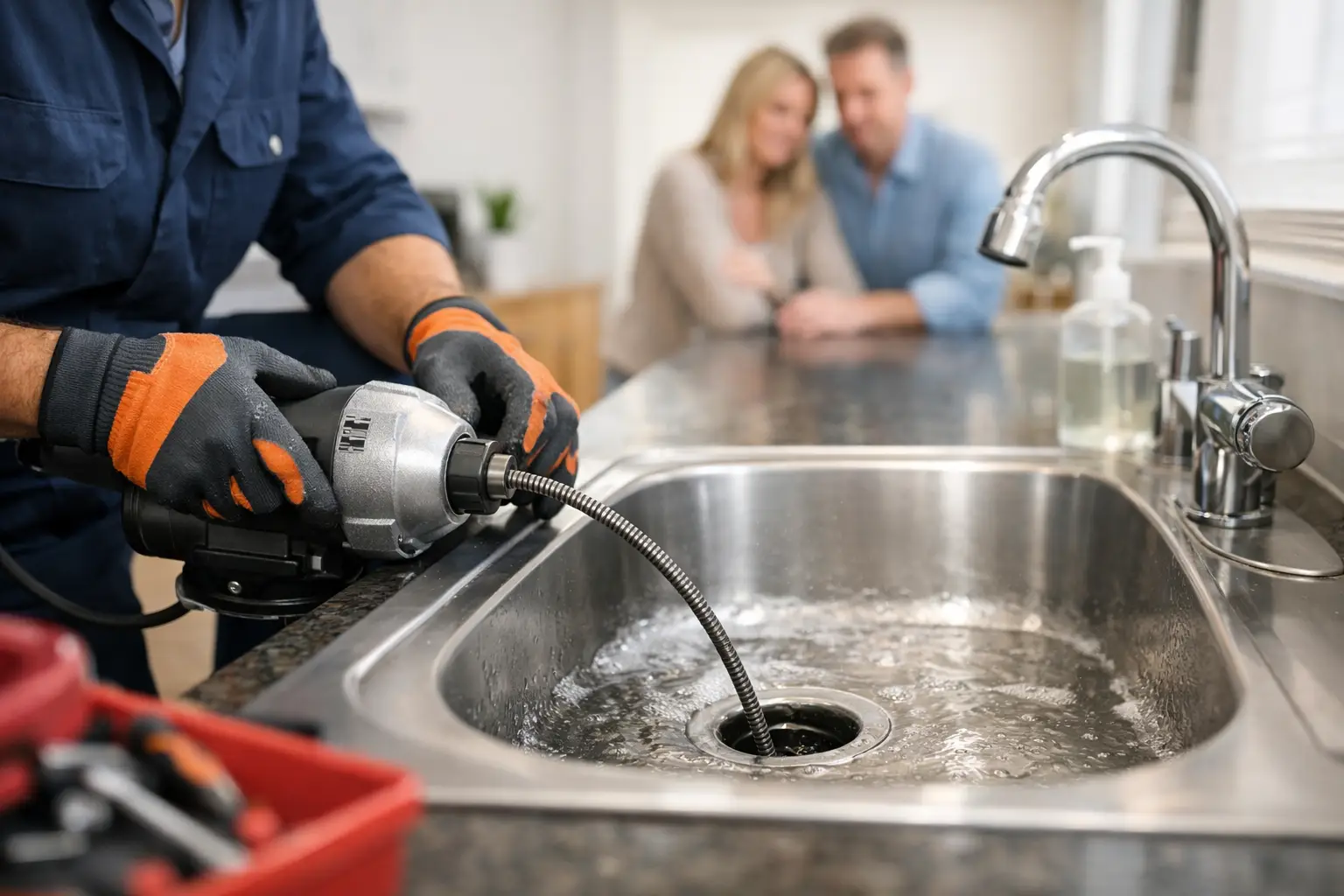
That is where professional drain equipment makes a real difference. A cable machine can open some stoppages, but it does not always explain why the problem keeps coming back. A sewer camera inspection shows what is actually happening inside the pipe. If there is root intrusion, heavy grease, scale, offset joints, or standing water from a belly in the line, you can see it instead of guessing.
In other cases, the line may need thorough cleaning rather than a quick punch-through. Hydro jetting and specialized descaling methods are designed to restore the inside diameter of the pipe, not just poke a hole through the blockage. That distinction matters when the goal is lasting flow instead of temporary relief.
What causes gurgling drains in house systems to keep coming back?
Recurring gurgling usually means the underlying condition was never fully resolved. A line that was opened but not cleaned may clog again quickly. A vent problem may be mistaken for a drain problem. A sewer line with roots or heavy scale may keep trapping debris even after the immediate blockage is cleared.
This is why repeat symptoms deserve a closer look, especially if the sounds return every few weeks or show up under heavy water use. In Northern Virginia homes, we often see recurring drain noise tied to older piping, buildup in kitchen and bathroom lines, and main line issues that only reveal themselves when the house is using more water than usual.
The good news is that gurgling gives you a warning window. It is the system telling you something is off before the full backup happens. That is useful if the next step is a real diagnosis instead of trial and error.
When to call for professional drain service
If one fixture gurgles once and never repeats, you may simply keep an eye on it. But if the sound is recurring, affecting multiple fixtures, or paired with slow drainage or sewer odor, it is time to get it checked. At that point, speed matters less than accuracy. You want to know what is in the line, where the restriction is, and whether the issue is isolated or system-wide.
That is exactly why professional drain specialists use camera inspections, line diagnostics, and the right cleaning method for the pipe condition. The goal is not just to quiet the noise. The goal is to restore proper flow and verify the line is clear.
A gurgling drain is your house asking for attention. Catch it early, and you usually have more options, less mess, and a much better shot at fixing the problem right the first time.