
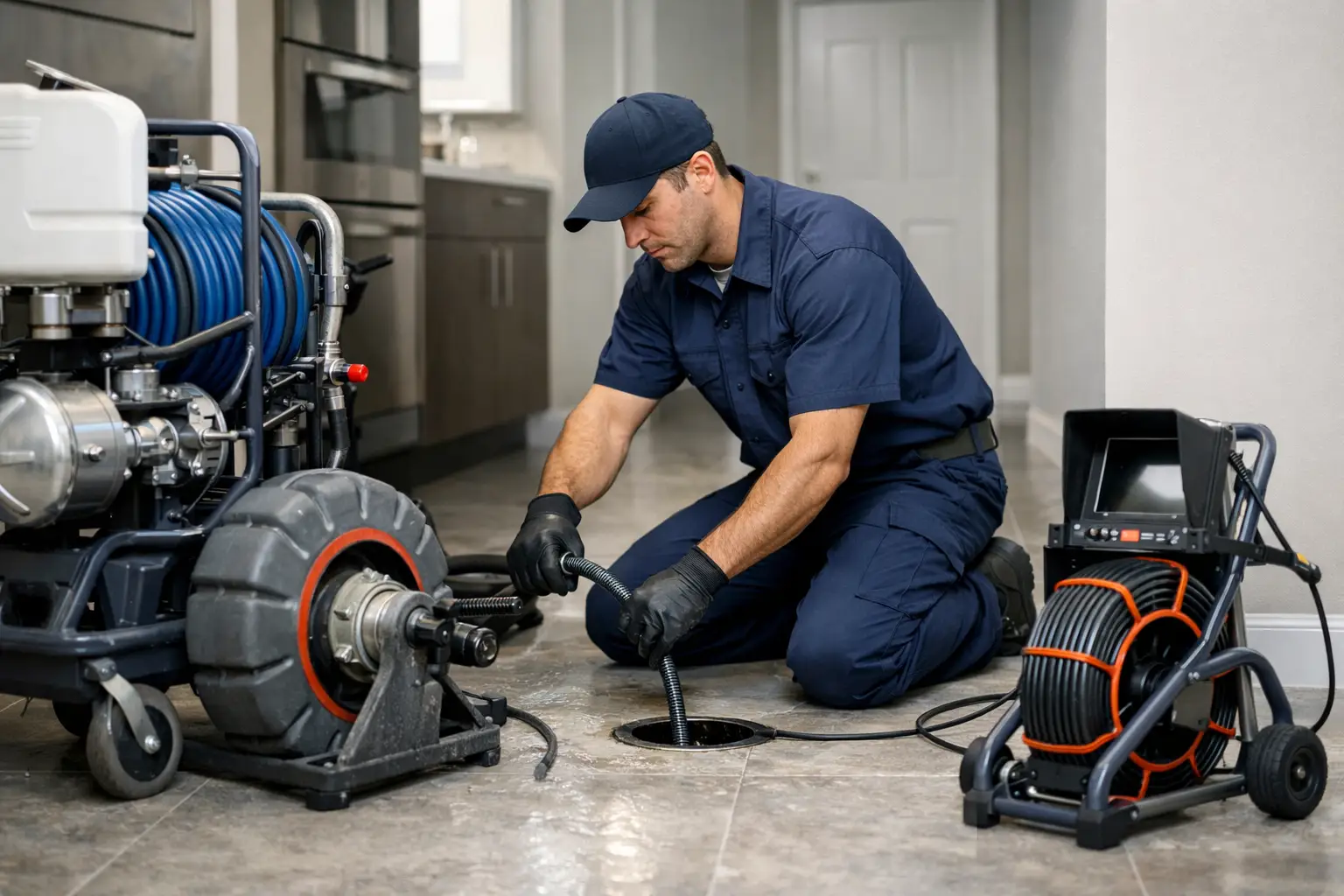
A sewer backup does not wait for a convenient time. One moment, a toilet gurgles or a tub drains slowly. Then wastewater starts rising through a floor drain, shower, or lowest fixture in the building. Understanding how emergency plumbers stop backups helps you act faster and choose a solution that addresses the real cause, not just the water on the floor.
For homeowners, landlords, and businesses in Northern Virginia, the priority is simple: stop the overflow, protect the property, and restore the line safely. That takes more than a quick plunge or a temporary drain opener. A qualified drain and sewer professional needs to identify where the blockage is, what caused it, and whether the pipe itself has a larger problem.
How Emergency Plumbers Stop Backups at the Source
An emergency plumber starts by determining whether the issue is isolated to one fixture or affecting the main sewer line. This matters because a clogged bathroom sink requires a different response than sewage backing up into a basement shower.
When several drains are slow, toilets bubble, or water appears at the lowest drain when another fixture is used, the main line is often involved. In a commercial property, the same warning signs may show up as floor drains backing up, slow restroom drains, or a kitchen line that cannot keep up during busy hours.
The first job is to control the immediate problem. That can include shutting down water use in the affected area and clearing the obstruction from the appropriate access point. Once the line is flowing, the work is not finished. A drain that opens briefly but has not been properly diagnosed can back up again later that day or next week.
Locating the blockage before choosing a method
Professional drain equipment gives the technician a clear path to the blockage. Depending on the symptoms and line configuration, that may mean working through a cleanout, a drain opening, or another service access point.
The goal is to determine whether the line is blocked by common buildup, a foreign object, roots, grease, heavy scale, or damaged pipe. There is no one-size-fits-all tool for every backup. Using the wrong method can leave material behind, damage a compromised line, or create the appearance of a repair without restoring dependable flow.
Clearing the Line Without Guesswork
For a straightforward blockage, a professional drain cable may be the right starting point. It can break through or retrieve material that is stopping the line. But punching a small opening through a clog is different from cleaning the pipe wall. If grease, sludge, roots, or scale remain inside the line, wastewater may still move slowly and the next backup may not be far behind.
That is why experienced emergency plumbers match the cleaning method to the condition of the pipe.
Hydro jetting removes buildup along the pipe walls
Hydro jetting uses controlled high-pressure water to scour grease, sludge, roots, and accumulated debris from inside a drain or sewer line. It is especially useful when a line keeps clogging or when a commercial kitchen drain has heavy grease buildup.
Unlike a cable that may create a path through the center of a blockage, hydro jetting can clean much more of the pipe’s interior. That can provide a longer-lasting result when the pipe is structurally sound and the material inside it is the main issue.
Hydro jetting is not automatically the right answer for every emergency. Older pipes, lines with suspected damage, or severe root intrusion may need camera verification first. A responsible technician does not force high-pressure cleaning into a line without considering its condition.
Flex-shaft cleaning and descaling handle hard interior buildup
Some backups are caused by material that has hardened onto the inside of the pipe. Cast-iron drain lines, common in older properties, can develop rough scale that narrows the opening and catches paper, waste, and debris. A drain may seem clear after cabling, but the remaining scale keeps creating new clogs.
Flex-shaft cleaning and pipe descaling are designed for these situations. These methods remove stubborn buildup from the pipe interior so water and waste have a clearer path. The right approach depends on the pipe material, the severity of the buildup, and what a camera inspection shows.
Why Sewer Camera Inspections Matter After a Backup
A sewer camera inspection takes the guesswork out of recurring drain and sewer trouble. After restoring flow, a technician can send a specialized camera through the line to inspect the pipe from the inside. The footage can reveal root intrusion, offset joints, cracked sections, bellies where waste collects, scale buildup, or an object lodged farther down the line.
This step is valuable because backups often have a history. Maybe the home has needed the same drain cleared every year. Maybe a restaurant has recurring grease issues despite regular service. Maybe a rental property has repeated tenant complaints about slow tubs and toilets. The camera helps separate a repeatable cleaning need from a sewer line that needs repair.
A clear explanation matters here. Customers should know what was found, why it caused the backup, and what options make sense next. If cleaning solved the problem, the technician should be able to verify improved flow. If the camera finds pipe damage, the property owner deserves a direct conversation about repair options before another emergency develops.
The Difference Between a Drain Clog and a Main Sewer Backup
Not every drain problem is an emergency, but some symptoms should not be ignored. A single slow sink may be a local clog in that fixture’s drain. Multiple affected fixtures usually point to a larger downstream problem.
Watch for toilets that gurgle when a sink, shower, or washing machine drains. Pay attention if water rises in a tub when a toilet is flushed, or if sewage appears at a basement floor drain. These are common signs that wastewater cannot move through the main sewer line as it should.
For commercial properties, downtime can add up quickly. A backed-up restroom, kitchen drain, or floor drain can disrupt employees, customers, and daily operations. Fast response is important, but the best service also identifies whether the line needs a deeper cleaning plan, routine maintenance, or repair.
What Causes Emergency Sewer Backups in Northern Virginia?
The cause depends on the property, pipe age, and how the plumbing is used. In Gainesville, Bristow, Haymarket, Manassas, and nearby Prince William County communities, technicians commonly find a mix of routine buildup and aging-line issues.
Grease is a frequent cause in kitchen drains, especially in restaurants and high-use homes. It may enter the drain as a liquid, then cool and collect along the pipe walls. Soap residue, hair, paper products, wipes, and foreign objects can narrow the line further.
Tree roots are another common sewer-line problem. Roots seek moisture and can work their way into small openings at pipe joints or damaged sections. Once inside, they catch waste and debris until the line begins to back up. Root cutting may restore flow, but a camera inspection can show whether the pipe has defects that will allow roots to return.
Older cast-iron lines can also develop interior corrosion and scale. The rough surface reduces the usable pipe diameter and makes the line more likely to snag debris. In these cases, cleaning may be needed more than once, while severe deterioration may require a repair conversation.
What to Expect From a Professional Emergency Drain Response
A good emergency response is organized, not rushed. The technician should listen to the symptoms, inspect the affected fixtures and access points, and explain the likely cause before recommending a service. Once the line is cleared, the work should include a check that drains are flowing correctly and, when needed, camera evidence of what is happening inside the pipe.
At Titan Jetters, the focus is on finding the reason behind the backup, whether that calls for drain cleaning, hydro jetting, descaling, a sewer camera inspection, or a repair recommendation. The goal is not to sell a larger job than necessary. It is to give the customer clear facts and a solution that fits the condition of the line.
When a Backup Requires More Than Cleaning
Cleaning is often enough when the pipe is intact and the blockage comes from buildup or debris. It may not be enough when the line has collapsed, separated, shifted, or repeatedly fills with roots because of structural damage.
That is the trade-off property owners should understand. Repeated emergency clearing can keep a damaged line usable for a period of time, but it does not correct the underlying defect. A camera inspection helps determine whether routine maintenance is a sensible plan or whether sewer line repair is the better long-term decision.
If wastewater is rising, multiple drains are affected, or the same backup keeps returning, stop using water in the affected area and call for professional service. Fast action can limit damage, but a correct diagnosis is what keeps a one-time emergency from becoming a regular problem.
