
A sewer odor is not just an unpleasant smell you can cover with a candle or air freshener. It is a clue that something in the drain or sewer system is not working as it should. This guide to sewer line odors explains what common smells can mean, when the issue may be isolated to one fixture, and when it is time to have the main sewer line professionally diagnosed.
For homeowners, landlords, and businesses in Northern Virginia, catching the source early can mean the difference between a straightforward drain cleaning and a messy backup that interrupts your day.
What Sewer Line Odors Usually Mean
A true sewer smell is often described as rotten eggs, sulfur, stagnant wastewater, or a damp, musty odor that keeps coming back. The odor can enter a home through a bathroom, kitchen, laundry room, utility area, basement, floor drain, or even outdoors near the sewer line.
The smell itself does not automatically mean the sewer line has failed. Sometimes the cause is minor and localized. Other times, it points to a blockage, damaged pipe, poor venting, or a developing main line issue. The location, timing, and pattern of the odor are what help narrow down the cause.
If the odor shows up once after a rarely used bathroom has been sitting empty, the issue may be different from an odor that appears every time the washing machine drains or several fixtures run at once. Recurring smells deserve a closer look, especially when they come with slow drains, gurgling, standing water, or sewage backup.
Guide to Sewer Line Odors: Common Sources
A dry or compromised drain trap
Every sink, tub, shower, and floor drain is designed with a trap that holds water. That water creates a barrier between your living space and sewer gases. When a fixture has not been used for a long time, the water in the trap can evaporate and allow odors to rise into the room.
This is common in guest bathrooms, basement floor drains, utility sinks, and vacant rental properties. If the odor is limited to one little-used fixture and disappears after normal use resumes, the trap may have been the issue. If it returns quickly or appears around multiple drains, there may be another problem farther into the system.
Drain buildup in a sink, shower, or kitchen line
Not every foul drain smell comes from the main sewer. Soap residue, hair, food debris, grease, and organic buildup can collect inside branch lines and create a persistent odor. Kitchen drains are especially prone to buildup because grease and food waste stick to the pipe walls over time.
A drain can still appear to work while buildup is growing inside the pipe. Then the smell becomes more noticeable, water starts draining slowly, or the line begins clogging repeatedly. Professional drain cleaning removes the material causing the odor instead of simply masking the symptom.
A partial main sewer line blockage
When several fixtures drain slowly, toilets bubble, or wastewater backs up at a low point in the home, the main sewer line should be considered. A partial blockage can hold waste and water in the line, creating sewer gas odors before a complete backup happens.
Common causes include flushable-wipe buildup, roots entering a pipe, heavy scale inside older cast iron, grease accumulation, or a damaged section of sewer line. The right solution depends on what is actually inside the pipe. Clearing a line without identifying the cause can leave the same problem waiting to return.
Pipe damage, root intrusion, or a bad connection
A cracked pipe, separated fitting, or root intrusion can allow sewer gases to escape underground or around the home. You may notice odors near a crawlspace, basement, yard, utility area, or exterior cleanout. In some cases, the smell gets worse after heavy rain or when the plumbing system is being used heavily.
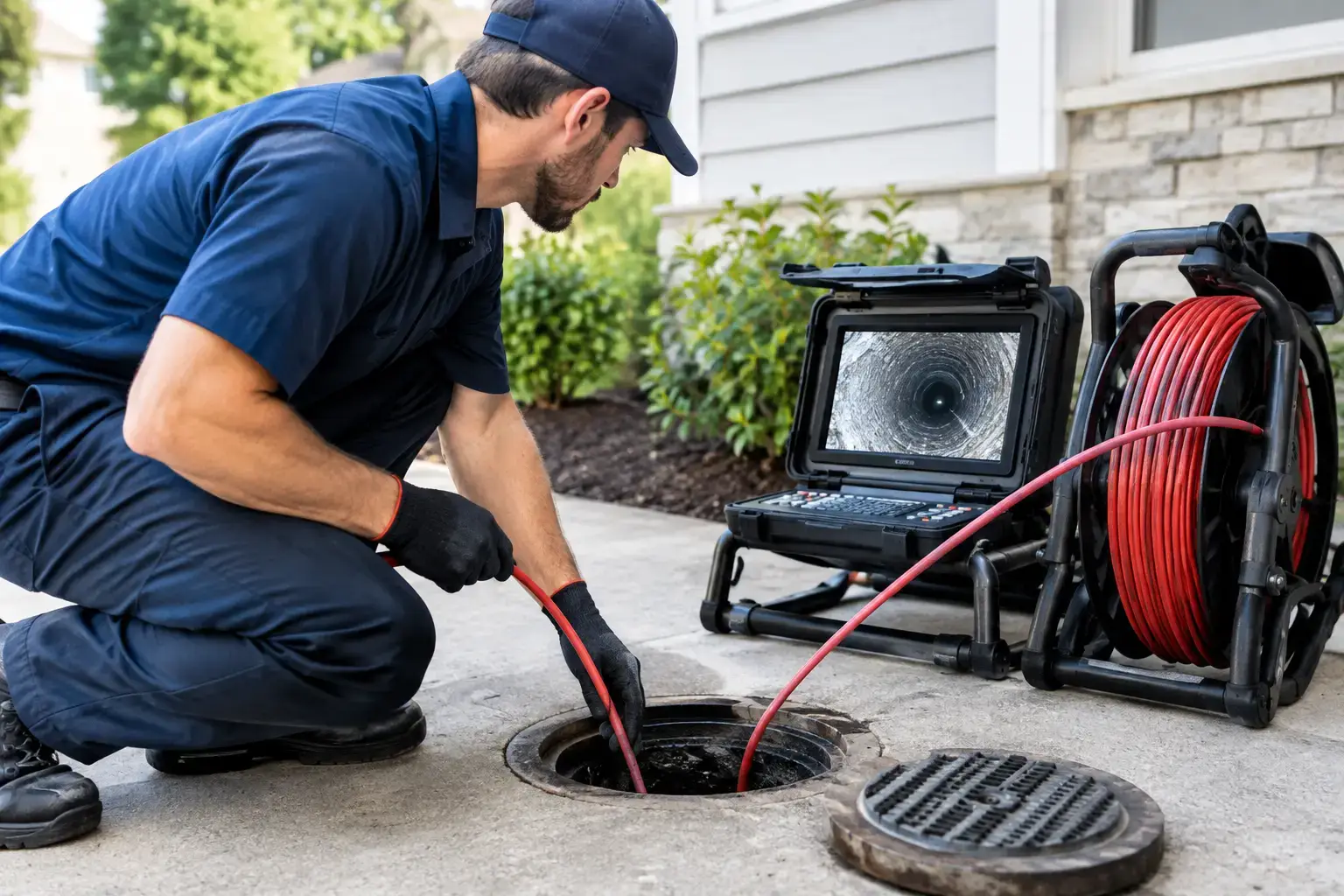
This is where a sewer camera inspection matters. A camera allows a technician to see the condition of the line, locate damage, and determine whether the pipe needs cleaning, descaling, repair, or further evaluation. It replaces guessing with clear evidence from inside the line.
Venting problems
Your plumbing vent system helps sewer gases move safely out of the home while allowing drains to flow properly. A vent issue can contribute to gurgling drains, water levels changing in toilet bowls, and odors near fixtures. Venting concerns can be more complicated than a standard clog because the visible symptom may be inside the bathroom while the source is elsewhere in the plumbing system.
A professional diagnostic visit can separate a venting concern from a blockage, trap issue, or sewer line problem. That matters because treating the wrong cause wastes time and does not solve the odor.
Warning Signs That Need Prompt Service
Sewer odors should be treated with more urgency when they are paired with drainage problems. One slow bathroom sink is usually less concerning than a toilet that gurgles while the shower runs. Multiple fixtures reacting at the same time often means the issue is farther down the system.
Call for professional sewer diagnostics when you notice several drains slowing down, sewage coming up through a tub or shower, toilets bubbling, recurring clogs, wastewater around a floor drain, or a strong sewer smell that will not go away. These are signs that the line may be restricted or that wastewater is not moving where it should.
Businesses should act quickly as well. A sewer odor in a restaurant, retail space, office, or rental unit can affect customers, staff, and daily operations. Grease-heavy commercial lines and frequently used restrooms can develop significant buildup before a complete blockage makes the problem impossible to ignore.
Why Odor Problems Often Keep Coming Back
Many recurring odor issues are treated at the surface rather than at the source. Covering the smell, using harsh chemical products, or repeatedly clearing only the nearby drain may provide short-term relief. It will not remove grease, scale, roots, or settled debris in a main line.
The lasting solution depends on the pipe material and what the inspection finds. Hydro jetting can clear heavy buildup from appropriate sewer and drain lines. Flex-shaft cleaning and pipe descaling can be useful when scale has narrowed older pipe interiors. A camera inspection verifies the condition of the line and helps confirm whether the cleaning restored proper flow.
There is no one-size-fits-all answer. High-pressure cleaning can be highly effective for grease and debris, but a damaged or collapsed line may require a different recommendation. A reliable diagnosis should come before deciding on the repair or cleaning method.
What a Professional Sewer Odor Diagnosis Looks Like
A proper service visit starts with the details: where the odor appears, whether it is constant or intermittent, which fixtures are affected, and whether recent backups or slow drains have occurred. Those details help identify whether the likely issue is a local drain, plumbing vent, or main sewer line.
From there, a technician may inspect accessible drains and cleanouts, assess drain behavior, and use a sewer camera when the symptoms point to the main line. Camera footage can reveal root intrusion, grease buildup, scale, bellies in the pipe, offsets, breaks, or other conditions that cannot be confirmed from above the floor.
That diagnostic process protects you from paying for a temporary fix when the real issue is deeper in the line. It also gives you a clear explanation of what is happening and what options make sense for your property.
When to Call Titan Jetters
If sewer odors are recurring, spreading to more than one room, or appearing with drainage trouble, Titan Jetters can identify the cause with professional drain and sewer diagnostics. For homes and businesses in Gainesville, Bristow, Haymarket, Manassas, and nearby Prince William County communities, the goal is straightforward: find the issue, explain it clearly, and restore dependable flow with the right service.
Whether the line needs drain cleaning, hydro jetting, pipe descaling, a sewer camera inspection, or repair evaluation depends on the condition inside the pipe. Getting that answer early can help prevent a minor odor problem from turning into a full sewer backup.
Common Questions About Sewer Odors
Can a sewer smell come from only one bathroom?
Yes. A dry trap, dirty branch drain, toilet seal issue, or local venting concern can cause odors in one bathroom. If other drains are also slow or gurgling, the main sewer line may be involved.
Is a sewer smell an emergency?
It can be. An odor by itself may not require emergency service, but odor combined with sewage backup, overflowing fixtures, multiple slow drains, or wastewater on the floor should be addressed promptly.
Will drain cleaning remove sewer odors?
It can when buildup inside a drain or sewer line is causing the smell. If the source is pipe damage, roots, a vent issue, or a dried-out trap, cleaning alone may not solve it. A diagnosis determines the right next step.
A sewer odor is your plumbing system asking for attention. The sooner the source is identified, the sooner you can get back to a clean, comfortable property and drains that work the way they should.
