
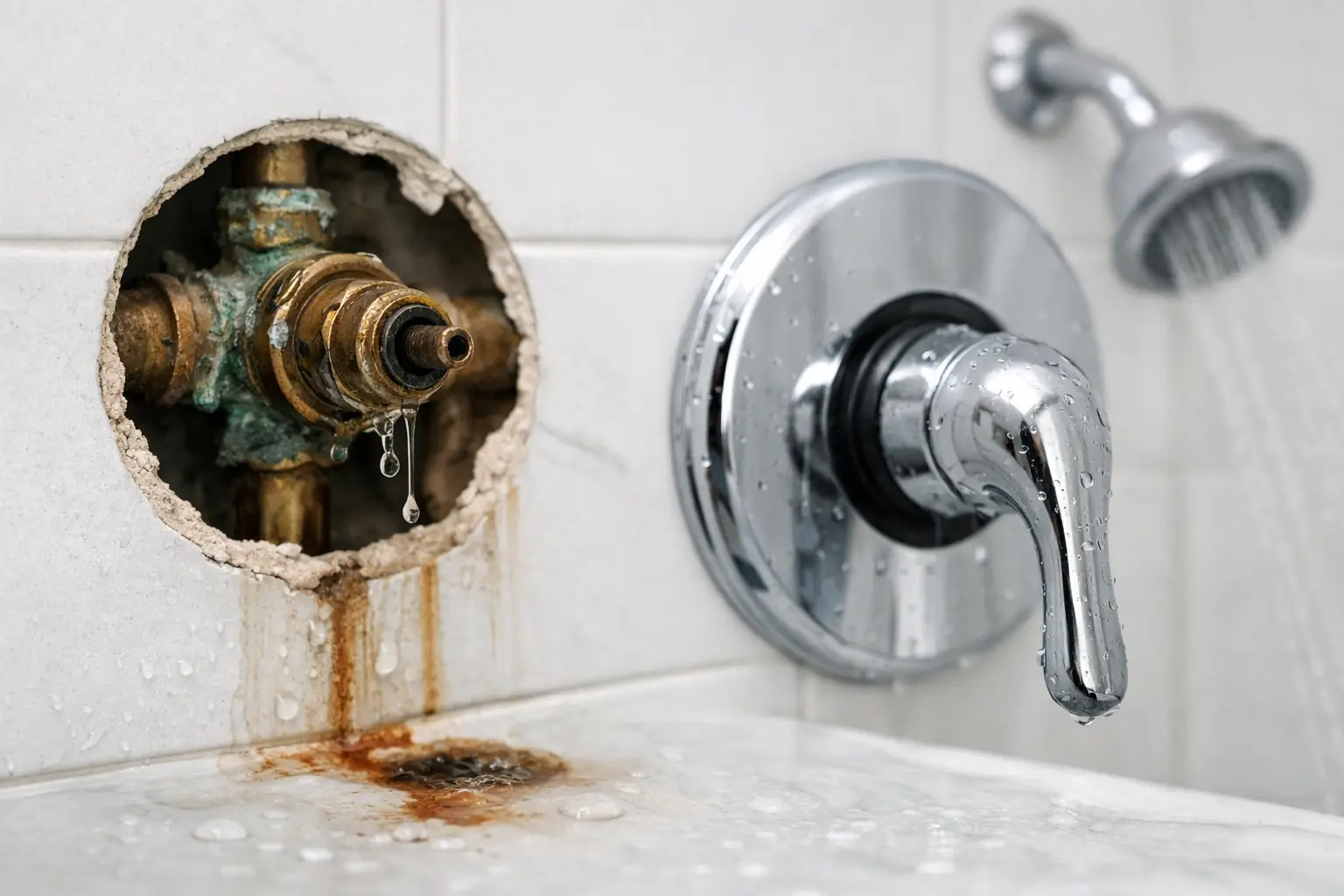
A shower that suddenly turns cold when someone runs the kitchen sink is more than an inconvenience. So is a handle that drips after being shut off, feels loose, or takes several tries to find a comfortable temperature. These are common calls for shower valve replacement Bristow VA homeowners should not put off, especially when a small problem may be leaking behind finished walls.
The shower valve is the control center behind the trim plate and handle. It blends hot and cold water, controls flow, and in many newer setups helps protect against abrupt temperature changes. When it wears out, the symptoms can start small. Left alone, they can lead to water waste, damaged wall materials, mold concerns, and a bathroom that is difficult to use.
What a Failing Shower Valve Looks Like
A dripping showerhead is often the first sign people notice. If water continues to drip long after the handle is turned off, worn internal seals or a failing cartridge may no longer be creating a complete shutoff. In some cases, the cartridge can be replaced. In others, corrosion, a cracked valve body, or unavailable parts make full valve replacement the sensible repair.
Temperature inconsistency is another major warning sign. If the water shifts from hot to cold without anyone adjusting the handle, the pressure-balancing portion of the valve may be sticking or failing. That issue deserves prompt attention. Beyond the frustration of an interrupted shower, sudden temperature swings can create a real scalding risk for children, older adults, and anyone with reduced mobility.
Watch for a handle that is difficult to turn, spins without properly controlling water, or has an unusually narrow range between freezing and too hot. Mineral buildup can affect moving parts, particularly in older fixtures. So can normal wear from years of daily use. A professional inspection separates a serviceable internal component from a valve that has reached the end of its useful life.
Water marks, peeling paint, soft drywall, or a musty odor near the shower are more urgent signs. A valve can leak inside the wall while the shower appears to work normally from the outside. That hidden moisture needs to be diagnosed quickly before a contained repair turns into wall and flooring damage.
Shower Valve Replacement in Bristow VA: What the Job Involves
The right repair begins with identifying the actual source of the problem. Not every shower issue is a failed valve. A worn showerhead, a loose trim component, a problem with the tub spout diverter, or broader water-pressure issues can create similar complaints. Guessing at the repair can mean replacing parts without fixing the cause.
A qualified plumbing professional checks how the fixture operates, looks for signs of active or hidden leakage, and determines whether the existing valve can accept a replacement cartridge or needs a new valve assembly. The age and condition of the fixture matter. Older valves may have discontinued components, heavily corroded connections, or designs that do not provide the temperature protection expected in a modern bathroom.
When full replacement is needed, the work may require access from the shower side or from an adjacent wall. The best approach depends on the bathroom layout, the valve location, and the condition of the surrounding finishes. Opening the smallest practical area is usually the goal, but a responsible technician will explain what access is required before work begins. There is no value in promising a wall will never need to be opened when the repair cannot be completed correctly without it.
Once the valve is replaced, the fixture should be tested for proper shutoff, stable temperature control, and leaks at the connections. A good repair is not just about getting water back on. It is about verifying the valve works as intended before the work area is closed up.
Cartridge Repair or Full Valve Replacement?
This decision depends on the condition of the valve body and the availability of parts. A cartridge is an internal component that regulates water flow and temperature. Replacing it can be a practical solution when the valve body is sound, the fixture is in good condition, and compatible parts are available.
Full valve replacement becomes more likely when the valve body is cracked, connections are deteriorated, the internal parts are seized, or the existing model is obsolete. It may also make sense when a homeowner wants better temperature control or is already updating an older shower fixture.
There is a trade-off. Replacing only the cartridge can be less invasive when it is the right fix, but it will not solve a damaged valve body or unreliable piping connections. Replacing the complete valve is more involved, yet it can prevent repeated service calls on a fixture that is already failing in multiple ways. The right answer comes from the condition of the plumbing, not from a one-size-fits-all recommendation.
Why Hidden Shower Leaks Should Not Wait
A small leak behind a shower wall does not stay small simply because it is out of sight. Water can travel along framing, soak insulation, damage drywall, and reach areas far from the original valve. By the time staining appears on the other side of a wall or on a ceiling below, moisture may have been present for some time.
Pay attention if you hear water running after the shower is off, see moisture around the handle plate, or notice a bathroom wall that feels soft or discolored. An unexplained increase in water use can also point to a fixture that is not shutting off completely. These problems need a clear diagnosis, not a temporary workaround.
For landlords and property managers, speed matters even more. A leaking shower valve can disrupt a tenant’s daily routine and create a larger maintenance issue inside an occupied unit. Prompt service helps protect the property, reduces downtime, and gives residents a clear answer about what is being repaired.
Choose a Repair That Addresses the Whole Problem
A shower valve sits behind a finished wall, so the quality of the diagnosis matters as much as the replacement itself. The job should account for the valve, the surrounding connections, the fixture’s condition, and any evidence of moisture damage. Cutting corners at the valve can leave the homeowner with another leak and another wall opening later.
Clear communication also matters. You should know whether the issue is a cartridge, a complete valve, a trim problem, or a leak coming from somewhere else. You should understand the access needed and what will be tested before the technician leaves. Straight answers make it easier to make a confident decision when water is involved.
Titan Jetters brings the same no-guesswork approach used for serious plumbing and drain problems: inspect the issue, explain the findings plainly, complete clean professional work, and verify the result. If your shower is dripping, changing temperature without warning, or showing signs of a leak behind the wall, schedule service before a daily annoyance becomes bathroom damage.
