
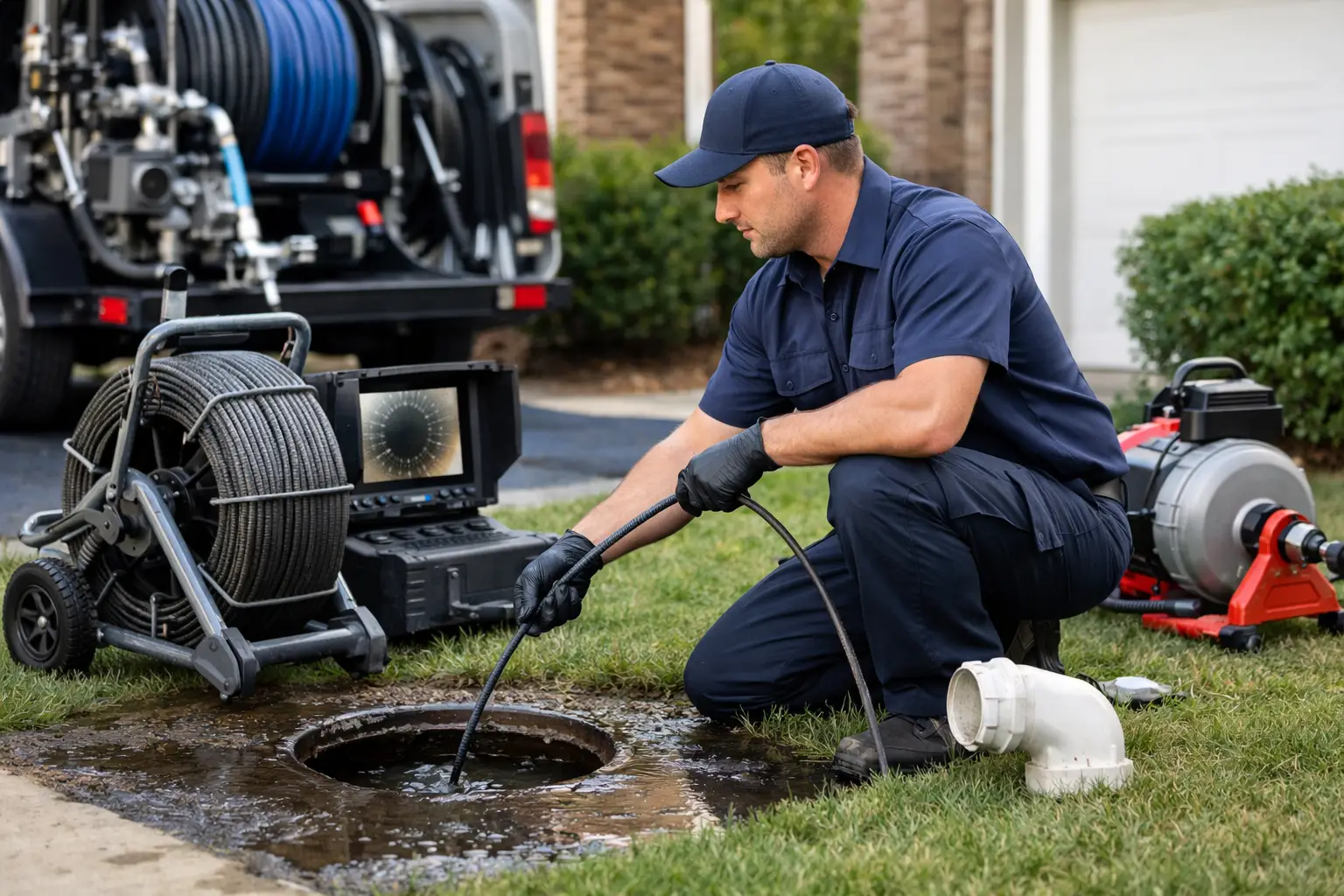
A drain backup does not wait for a convenient time. One minute the toilet flushes slowly or the kitchen sink gurgles. The next, wastewater is coming up through a basement drain, shower, or lower-level toilet. When you need Prince William drain backup help, the priority is stopping the mess, protecting your home or business, and finding out what is actually blocking the line.
A backup is rarely just a surface-level clog. It can be grease packed into a kitchen branch line, roots working into the main sewer, heavy scale inside aging cast iron, a damaged pipe, or a blockage farther down the system. Clearing the immediate obstruction matters, but understanding why it happened is what helps prevent another stressful call a few weeks later.
What a Drain Backup Is Telling You
The location and timing of a backup offer useful clues. A single slow bathroom sink may point to a local drain issue. But when several fixtures act up at once, especially toilets, tubs, showers, or floor drains, the main sewer line deserves attention.
A main line problem often shows up first at the lowest fixture in the building. In many homes, that means a basement shower, utility sink, or floor drain. Wastewater may rise there because it has nowhere else to go once the line is restricted. In a restaurant or commercial property, a slow or backing-up kitchen line may be tied to grease buildup that has reduced the pipe opening over time.
Common signs that should not be ignored include repeated clogs, gurgling sounds after flushing, water rising in a tub when another fixture drains, sewage odors, and backups that return after a plunger or store-bought cleaner seemed to help. These are signs of restricted flow, not a problem to keep treating with temporary fixes.
What to Do When Sewage Is Backing Up
First, stop using water. Do not flush toilets, run sinks, start the dishwasher, or do laundry. Every gallon sent into the plumbing system can make the backup worse if the line cannot carry it away.
Keep people and pets away from the affected area. Wastewater can contain contaminants, and wet floors can become slippery. If the backup is near electrical equipment or outlets, avoid the area and use caution.
Do not pour chemical drain cleaners into a backed-up drain. They usually cannot reach or remove a main sewer obstruction, and the chemicals can create a safety issue for anyone working on the line later. They may also sit in the pipe and damage certain plumbing materials.
Then call a professional drain and sewer specialist. Fast response matters, but accurate diagnosis matters just as much. A drain can be opened quickly and still back up again if roots, scale, grease, a broken section of pipe, or another underlying issue is left behind.
Prince William Drain Backup Help Starts With the Right Diagnosis
The best solution depends on what is inside the pipe and what condition the pipe is in. That is why professional service should not be based on guesswork alone.
A sewer camera inspection lets a technician see inside the line after access is established. It can reveal root intrusion, buildup, offsets, damaged pipe sections, standing water, or a blockage that is still restricting the flow. Camera diagnostics also help determine whether the problem is limited to a branch line or involves the main sewer line leaving the property.
For heavy buildup, hydro jetting can be an effective cleaning method. High-pressure water is used to cut through grease, sludge, roots, and other debris while cleaning the interior walls of the pipe. It is often a better long-term option than simply punching a small opening through a blockage, particularly for recurring kitchen drain problems or main line buildup.
Not every line needs hydro jetting. Older or damaged pipes may need to be evaluated carefully before high-pressure cleaning is recommended. In some cases, flex-shaft cleaning or targeted mechanical cleaning is the better fit. The right approach comes down to the type of blockage, the pipe material, and what the camera shows.
Why Backups Keep Coming Back
A drain that backs up more than once is asking for a closer look. Repeated service calls are frustrating for homeowners, landlords, and property managers, but they also cost more than addressing the source of the problem early.
Grease is one of the most common causes in kitchen drains. It may go down as a warm liquid, then cool and cling to the pipe walls. Food particles and soap residue stick to it, slowly reducing the available space for water to move. This is especially common in commercial kitchens, but residential kitchen lines can develop the same problem.
Tree roots are another frequent issue in Northern Virginia sewer lines. Roots seek moisture and can enter through small openings, joints, or cracks. Once inside, they catch paper and debris until the flow is restricted. Cleaning may restore service, but a camera inspection helps show whether roots are a maintenance concern or a sign that the line needs repair.
Cast iron pipe can also develop internal scale. As the pipe ages, rough corrosion buildup narrows the inside diameter and catches debris. Pipe descaling removes that buildup more thoroughly than a basic cable pass, helping restore better flow without assuming replacement is the only answer.
There are also structural causes: a sagging section of pipe that holds water and waste, separated joints, pipe damage, or improper slope. These problems do not disappear because a clog was removed. They need clear diagnostics and an honest explanation of the available repair options.
Protecting Your Property After the Line Is Cleared
Once drainage is restored, ask what was found and whether the line was verified after cleaning. Seeing the condition of the sewer line matters. It gives you a better understanding of whether the issue was a one-time blockage or something that requires follow-up.
For a rental property or commercial building, documentation is particularly useful. Property managers need to know whether the problem originated in a tenant fixture, a shared line, or the main sewer. Restaurant owners need to know when grease accumulation is becoming a recurring operational issue instead of an isolated clog.
Preventive cleaning can make sense when a line has a known pattern of grease buildup, roots, or scale. The schedule should be based on the condition and use of the line, not a one-size-fits-all recommendation. A busy kitchen and a lightly used residential bathroom have very different demands.
It also helps to pay attention to early warning signs. A drain that slows down gradually, a toilet that begins to gurgle, or a floor drain with a new sewer odor may give you time to schedule service before wastewater reaches the floor.
When It Is an Emergency
Treat a drain or sewer issue as urgent when wastewater is entering the home or business, multiple fixtures are backing up, or the only working bathroom cannot drain. The same applies when a commercial kitchen cannot operate safely because of a blocked drain. Waiting can lead to more cleanup, property damage, downtime, and disruption.
A single clogged sink may not always require emergency service, but it should still be addressed if it is recurring or affecting nearby fixtures. The difference is not just how much water is present. It is whether the plumbing system can safely carry wastewater away.
Titan Jetters provides professional drain cleaning, sewer diagnostics, camera inspections, hydro jetting, and repair guidance for properties in Gainesville, Bristow, Haymarket, Manassas, and throughout Prince William County. The goal is straightforward: identify the cause, clear the line correctly, and explain what comes next without unnecessary runaround.
If your drains are making noise, moving slowly, or sending water back where it does not belong, do not wait for a full backup to force the issue. Contact a local drain and sewer professional, get the line evaluated, and give your property the best chance of staying clean, functional, and flowing properly.
