A sewer backup usually does not start with a dramatic flood. More often, it starts with a slow drain, a toilet that gurgles, or a smell that was easy to ignore last week. That is why the best ways to avoid sewer backups come down to catching problems early, protecting the line from buildup, and knowing when a professional inspection makes sense.
For homeowners and property managers, backups are more than an inconvenience. They can shut down bathrooms, damage floors, create cleanup issues, and turn a small warning sign into a much bigger repair. The good news is that many backups are preventable when you understand what puts pressure on the line in the first place.
Why sewer backups happen in the first place
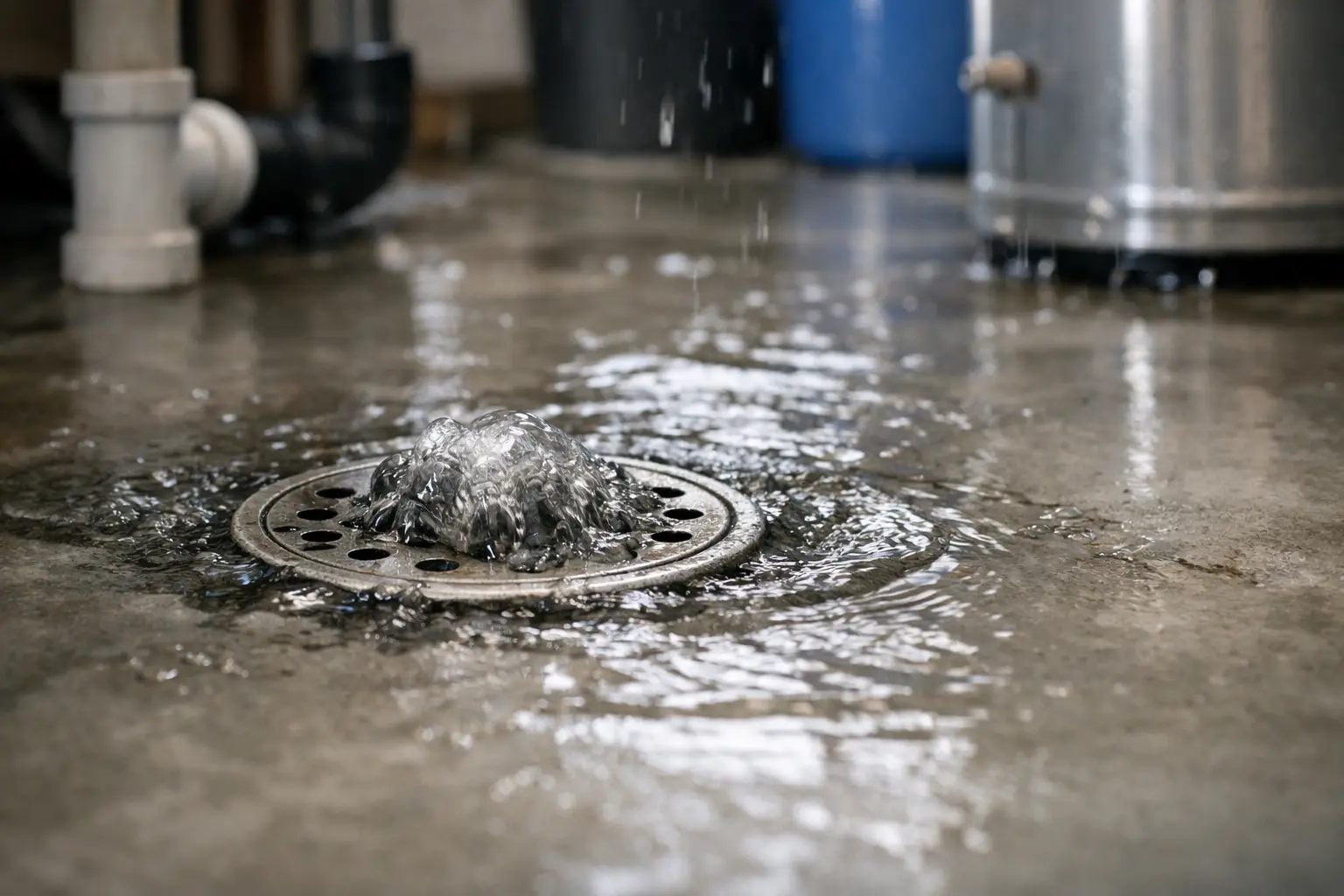
A main sewer line is built to carry wastewater away from the property. When that line narrows, cracks, sags, or gets blocked, the water has nowhere to go. It starts backing up into the lowest drains in the building, which is why tubs, floor drains, and basement fixtures often show the first signs.
In older homes, pipe scale and heavy buildup inside cast iron lines can slowly reduce the opening until normal daily use becomes too much for the system. In other properties, grease, wipes, and paper products build up over time and create a choke point. Tree roots are another common issue, especially in established neighborhoods where roots naturally seek out moisture around joints or damaged pipe sections.
The hard part is that different causes need different solutions. A line with grease buildup may respond well to professional cleaning. A line with root intrusion or a broken section may need a camera inspection to confirm what is happening before the right repair can be recommended.
Best ways to avoid sewer backups before they start
The most effective prevention plan is not complicated, but it does require consistency. Small habits inside the home matter just as much as the condition of the sewer line outside.
Be careful about what goes down your drains
A lot of sewer problems begin in kitchens and bathrooms. Grease is one of the biggest offenders because it cools, sticks to pipe walls, and grabs other debris as it hardens. What starts as a thin coating can eventually narrow the pipe enough to slow or block flow.
In bathrooms, wipes, paper towels, hygiene products, and other so-called flushable items create trouble fast. Even when they move past the toilet, they often do not break down the way toilet paper does. They hang up in bends, catch on rough pipe interiors, and contribute to larger clogs in the line.
If you manage a rental or a commercial property, this matters even more. High usage means small mistakes add up quickly.
Take recurring slow drains seriously
One slow sink by itself might be a local clog. Multiple slow fixtures at the same time are different. That can point to a developing problem in the main line.
This is where many backups could have been avoided. People wait because the water still drains eventually. Then a heavy laundry cycle, a busy morning in the bathrooms, or a weekend of guests pushes the system past its limit. Paying attention to recurring symptoms gives you a chance to address the line before wastewater comes back into the home.
Schedule professional drain cleaning when the line has a history of trouble
If the property has dealt with repeat clogs, grease-heavy kitchen waste, root intrusion, or older cast iron piping, preventive cleaning can make a real difference. This is especially true when the issue is buildup throughout the pipe, not just one isolated blockage.
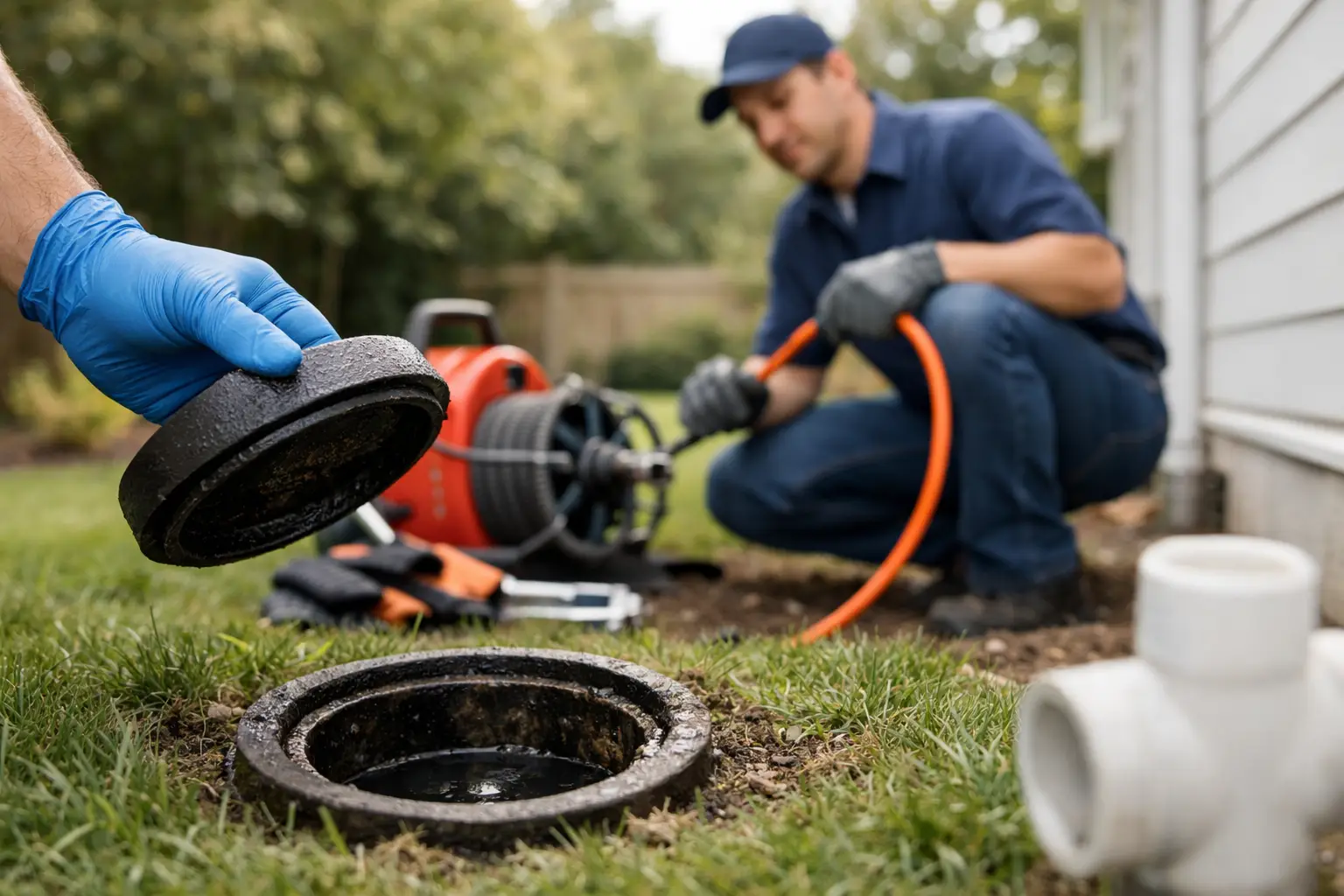
Professional hydro jetting and mechanical cleaning are not interchangeable in every case. It depends on the pipe material, pipe condition, and what is inside the line. A good contractor should explain the difference clearly and choose the method that fits the actual problem instead of guessing.
For many Northern Virginia properties, preventive cleaning makes the most sense when there is a known pattern – not because it sounds good on paper, but because the line has already shown you how it behaves.
Use sewer camera inspections to remove the guesswork
Camera inspections help confirm what is really happening
A sewer line is underground and out of sight, so assumptions can get expensive. A camera inspection shows whether the issue is grease, scale, roots, standing water, offset joints, or a damaged section of pipe. That matters because prevention only works when the real cause is identified.
For example, a line that keeps backing up after standard snaking may not need repeated clearing. It may need descaling, jetting, or repair. Without seeing inside the pipe, it is easy to treat the symptom and miss the cause.
When a camera inspection is worth it
A camera inspection is a smart move when you have repeat backups, multiple slow drains, sewer odors, or you are buying an older home. It is also useful after a major blockage has been cleared, because it verifies whether the line is actually in good shape or whether there is still a deeper problem waiting to come back.
This is one of the best ways to avoid sewer backups long term because it replaces guesswork with evidence. You are not just hoping the line is fine. You know what condition it is in.
Watch for signs your sewer line needs attention
Sewer lines rarely fail without warning. The signs are often there, but they get brushed off until the situation becomes urgent.
Listen for gurgling toilets. Notice if a tub or shower backs up when the washing machine drains. Pay attention to foul odors near drains or outside around the sewer path. Water around a basement floor drain or frequent plunging in different bathrooms can also point to a main line issue.
There is some nuance here. One isolated symptom does not always mean a major sewer problem. But a pattern of symptoms usually means the system is asking for attention. The sooner that gets checked, the better the chance of avoiding property damage and downtime.
Protect older pipes from buildup and scale
Older cast iron lines are common in many homes and buildings, and they often fail gradually rather than all at once. Over time, the interior walls can roughen, rust, and collect thick scale. That reduced diameter makes the pipe more likely to catch waste and clog repeatedly.
This is where professional descaling and cleaning can be valuable. If the line is structurally sound, restoring the interior opening can improve flow and reduce repeat stoppages. If the pipe is too deteriorated, cleaning alone may not be the long-term answer. Again, it depends on the condition of the line, which is why proper diagnostics matter.
Trying to prevent a backup in an older system without understanding the pipe condition is like ignoring a warning light on your dashboard. You may get away with it for a while, but not forever.
Do not ignore tree root risk
Roots do not need a fully collapsed pipe to cause problems. A small crack, loose joint, or weak spot can let roots in, and once they find moisture, they keep growing. That growth catches debris, restricts flow, and turns into a recurring blockage source.
If your property has mature trees near the sewer route and the line has backed up before, root intrusion should be on the list of likely causes. Professional cleaning can remove roots in some cases, but if the access point remains, the problem can return. The right next step depends on whether the roots entered through a repairable defect or a more significant pipe failure.
Why prevention beats emergency response
Emergency drain service matters when a backup happens, but prevention is always the better scenario. It gives you more options, less mess, and more control over timing. You are making decisions based on the condition of the line, not reacting while wastewater is coming up through a drain.
For busy homeowners, landlords, and business operators, that difference is huge. A planned inspection or maintenance visit is easier to manage than a bathroom that cannot be used or a tenant calling with sewage on the floor.
A strong prevention plan usually comes down to a few basics: keep problem materials out of the drains, take warning signs seriously, have recurring issues evaluated properly, and use camera diagnostics when the cause is not clear. When a line has a known history of buildup, roots, or repeated stoppages, proactive service is often the most practical move.
If your drains have been warning you lately, do not wait for a full backup to confirm there is a problem. The smartest time to deal with a sewer line issue is before your home does the talking for it.