
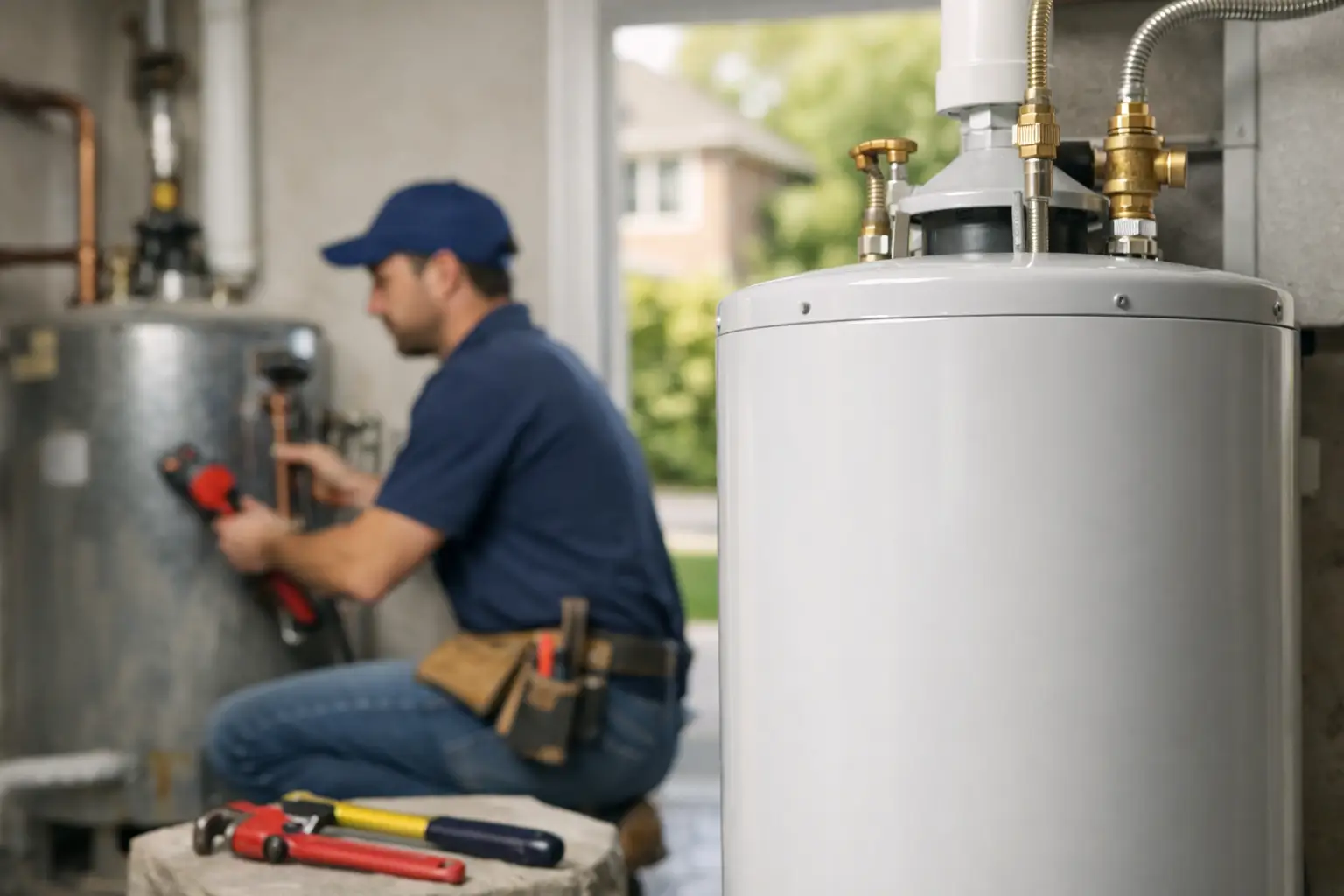
A water heater usually gives homeowners some warning before it quits: rusty water, a puddle near the tank, inconsistent hot water, or a unit that suddenly sounds like it is popping and rumbling. When replacement becomes necessary, water heater replacement cost Northern Virginia homeowners face depends on more than the unit itself. The type of heater, the condition of the existing connections, local code requirements, and the work needed to leave the installation safe all affect the final scope.
The right question is not just, “What does a new water heater cost?” It is, “What needs to happen for my home to have dependable hot water again without creating a leak, venting issue, or surprise repair later?” A clear assessment upfront helps answer that question.
What Drives Water Heater Replacement Cost in Northern Virginia
A replacement can be straightforward when the new unit matches the existing setup and the surrounding connections are in good shape. It can also become more involved when the heater is outdated, undersized, improperly vented, or installed in a tight utility space. That is why two homes with similar-looking water heaters may require very different levels of work.
The type of water heater
Conventional storage-tank water heaters are common throughout Northern Virginia. They store a set amount of hot water and are generally selected based on household demand, available space, and fuel source. Replacing one with a similar tank-style unit can keep the project simpler when the existing setup meets current requirements.
Tankless water heaters heat water on demand rather than storing it in a tank. They can be a strong fit for some households, particularly where space is limited or hot-water demand is high. But changing from a tank to tankless is not always a simple swap. It may require changes to gas supply, electrical service, venting, water lines, or condensate drainage. The best option depends on the home, not just the product label.
Fuel source matters as well. Gas, electric, and hybrid systems have different installation requirements. A unit that is efficient on paper may still require additional work to operate safely and correctly in a particular home.
Capacity and household demand
A water heater that is too small often causes frustration during the morning rush. A unit that is too large can use more energy than necessary and take up valuable space. The right capacity depends on how many people use hot water, the number of bathrooms, laundry habits, fixture demand, and whether large soaking tubs or high-flow showers are part of the picture.
For landlords and property managers, sizing should also account for the actual use of the property rather than a guess based on bedroom count alone. A reliable replacement starts with matching the equipment to how the building operates.
Existing plumbing and connections
The heater may be the visible problem, but the piping around it tells the rest of the story. Corroded shutoff valves, aging supply lines, weak drain connections, deteriorated fittings, or signs of previous leaking can all affect the replacement work.
A professional should inspect the surrounding plumbing before installing a new unit. Reconnecting a new water heater to failing components may get hot water back temporarily, but it can leave the homeowner dealing with a preventable leak soon after. The same practical approach applies to drain and sewer work: address the condition of the system, not just the symptom in front of you.
Venting, drainage, and safety requirements
Gas water heaters require proper venting to move combustion gases safely out of the home. Vent connections, chimney conditions, clearances, and the placement of the unit all matter. If the existing venting is outdated or does not meet current requirements, correction may be needed as part of the replacement.
Drainage and protection are equally important. A water heater installed in an attic, finished area, closet, or upper-level utility room can cause major damage if it leaks. Drain pans, discharge piping, temperature-and-pressure relief valves, and safe routing for those lines are not minor details. They are safeguards against a small equipment failure becoming an expensive water event.
Why Older Northern Virginia Homes Can Need More Work
Northern Virginia has a wide mix of housing, from older homes with original mechanical systems to newer construction with modern utility rooms. In older properties, a water heater replacement can reveal issues that were hidden behind the old unit: galvanized fittings, aging valves, undersized venting, or plumbing that has been altered over the years.
Hard water can also leave its mark. Mineral scale builds up inside water heaters and on nearby components, reducing efficiency and contributing to rumbling noises, slow recovery, and premature wear. If the old unit failed with heavy sediment buildup, it is worth looking at the conditions that contributed to that failure rather than treating the replacement as a one-time reset.
For homes in Bristow, Gainesville, Haymarket, Manassas, and surrounding areas, access can be another real factor. A heater in a cramped closet, crawlspace, attic, or finished basement requires careful planning to remove the old equipment cleanly and protect the home during the work.
When Replacement Makes More Sense Than Repair
Not every hot-water problem means the entire unit is done. Some issues can be isolated to a component or connection. But replacement becomes the more sensible path when the tank itself is leaking, corrosion is visible around the base, hot water is inconsistent despite prior repairs, or the unit is near the end of its expected service life.
A tank leak is especially urgent. Once the tank wall has failed, the problem does not improve with time. Delaying action can lead to a larger leak, damaged flooring, drywall repairs, mold concerns, and an inconvenient loss of hot water.
Repeated repairs deserve a straight conversation too. Repairing a manageable issue can be the right call. Continuing to put money into a deteriorating unit with multiple warning signs can create more downtime and less confidence for the homeowner. The goal is not to replace equipment prematurely. It is to make a decision based on condition, safety, and long-term reliability.
How to Compare Replacement Proposals Clearly
When reviewing options, make sure each proposal describes the actual work, not just the model of water heater. A clear scope should identify the type and capacity of the new unit, required connection work, safety components, venting or electrical needs, removal of the old unit, permits when required, and any conditions that could affect the installation.
Ask what will be inspected before the work begins and what will be verified before the job is complete. You should understand whether the installer has accounted for the shutoff valve, supply connections, relief discharge line, pan and drain routing where applicable, venting, and final testing. Clear answers now prevent vague surprises later.
It also helps to separate necessary corrections from optional upgrades. Some improvements may be worthwhile for reliability or efficiency, while others may not make sense for your home or budget. A dependable contractor explains the difference plainly and lets you make an informed decision without pressure.
Protecting the New Water Heater After Installation
A new water heater is a major home system, not an appliance to forget about until something goes wrong. Keep the area around it accessible, watch for moisture or corrosion, and pay attention to changes in hot-water performance. Rumbling, reduced capacity, discolored water, or a persistent drip should be addressed before they turn into a larger issue.
If you notice water near the heater, do not assume it is harmless condensation. Water can travel from nearby plumbing, a relief line, a drain connection, or the tank itself. A proper diagnosis matters because the visible puddle does not always reveal the source.
The best replacement decision is one based on a complete look at the system: the heater, the plumbing around it, the safety controls, and the home’s actual hot-water needs. That approach costs less frustration in the long run and gives you something more valuable than a new tank – confidence that the job was handled correctly.
