A drain backs up once, and you hope it was a fluke. It happens again, and now you need answers. That is where a guide to sewer line camera diagnostics helps. Instead of guessing whether the problem is grease, roots, a broken section of pipe, or an old line starting to fail, a camera inspection shows what is actually happening inside the sewer.
For homeowners and property managers, that matters more than most people realize. The right diagnosis can mean the difference between a targeted cleaning and a repair that cannot wait. It also keeps you from paying for the wrong fix.
What sewer line camera diagnostics actually do
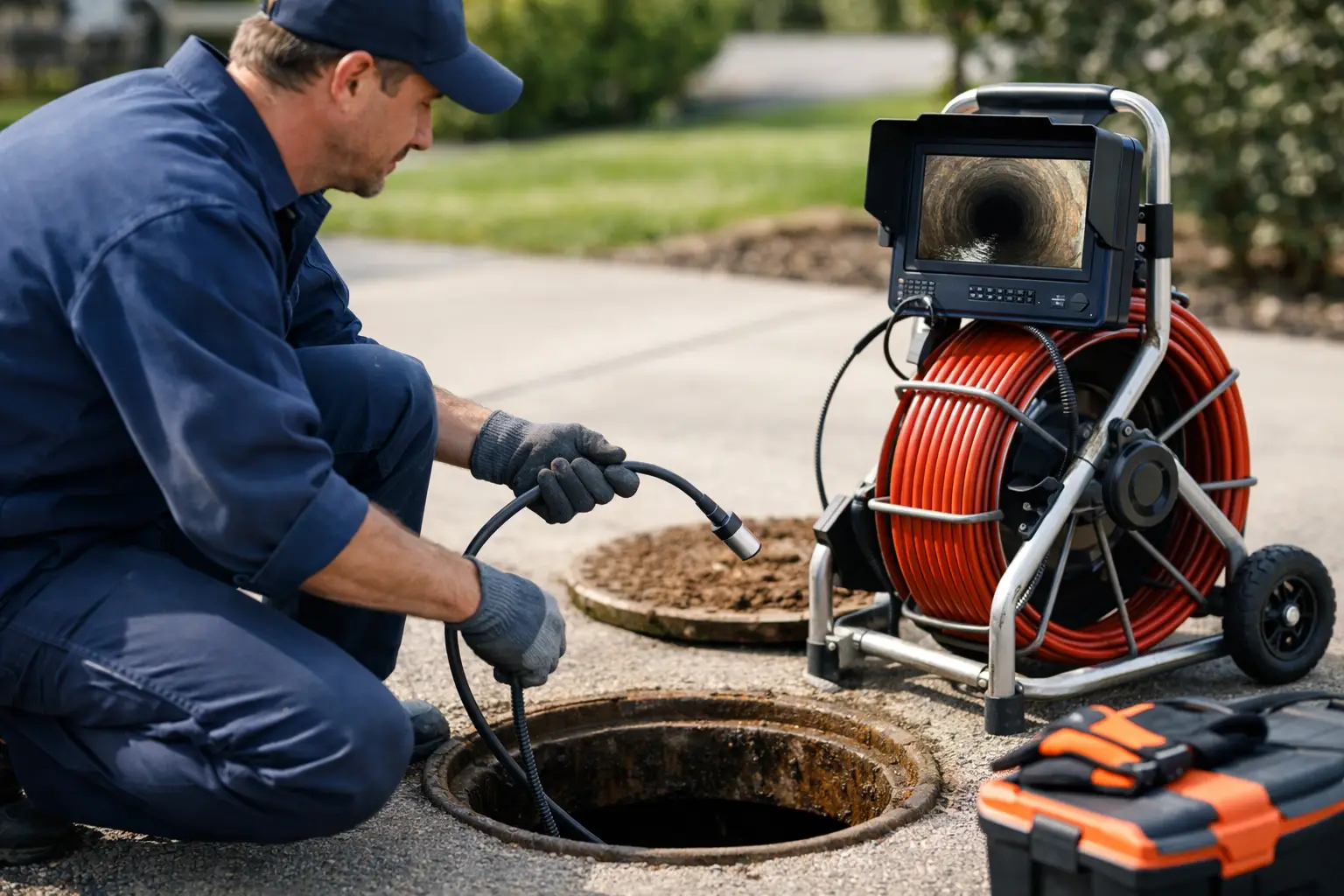
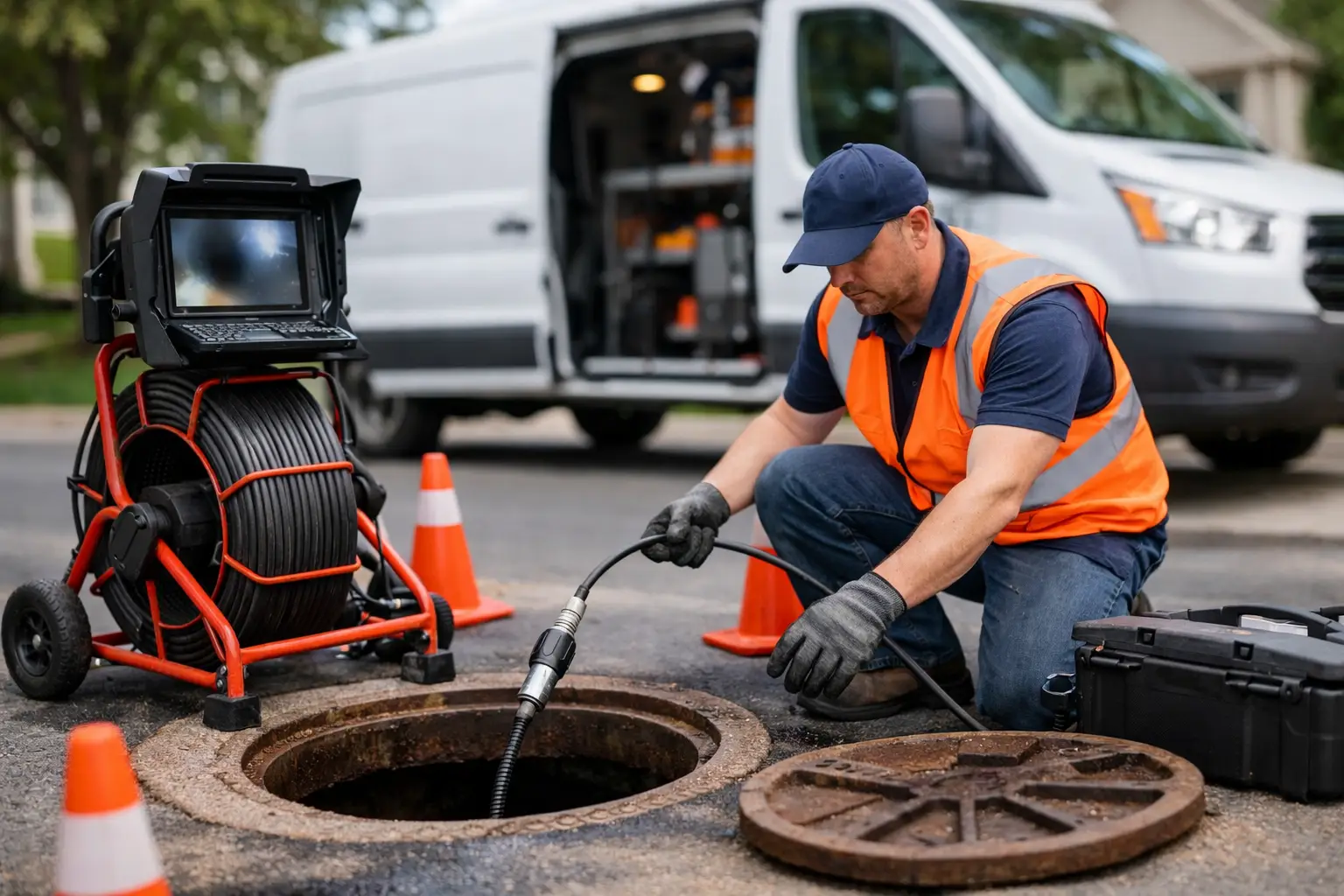
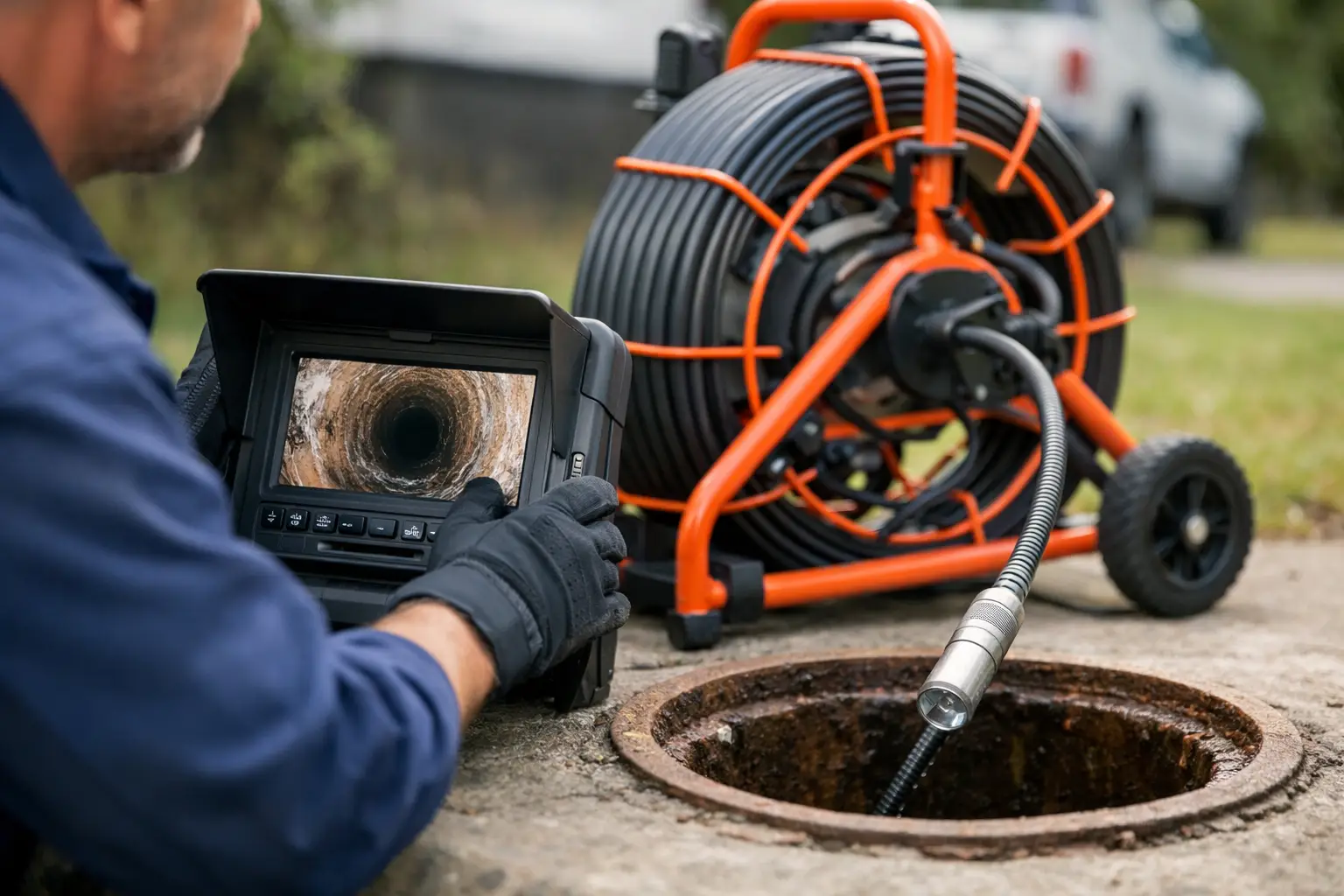
A sewer camera inspection uses a specialized waterproof camera attached to a flexible cable. The technician feeds that camera through the drain or sewer line while watching a live monitor above ground. That live view makes it possible to identify the location, type, and severity of the problem without tearing up floors, walls, or the yard just to take a look.
This is not just about finding a clog. Camera diagnostics help confirm whether a line is blocked, cracked, offset, crushed, scaled, bellied, or invaded by roots. It also helps verify pipe material and general condition, which is especially useful in older properties where the line may have decades of wear.
When the issue is straightforward, the camera confirms it quickly. When the issue is more complex, it gives the technician a path forward based on evidence instead of assumptions.
Why a guide to sewer line camera diagnostics matters before any major work
A lot of sewer and drain problems sound the same at the surface. Slow drains, gurgling toilets, foul odors, repeated backups, and water showing up where it should not all point to a drainage issue, but they do not tell you exactly what is wrong.
That is why camera diagnostics are so valuable before major cleaning or repair work. A line packed with grease scale may need descaling and hydro jetting. A line with root intrusion may also need cutting and follow-up repair, depending on how badly the pipe is damaged. A sagging line may keep collecting waste even after it is cleaned. The symptoms overlap, but the solution changes based on what the camera sees.
This is also where honest service stands out. A good inspection protects the customer because it narrows the problem down to facts. No upselling. No guesswork. Just a clear explanation of what is in the line and what it means.
What a sewer camera can find
The most common finding is a blockage, but that only tells part of the story. The camera helps show what the blockage is made of and whether it is likely to come back.
Grease buildup usually appears as heavy coating along the pipe walls, often in kitchen lines or commercial systems. Scale in cast iron looks different. It narrows the pipe from the inside, creating a rough surface that catches waste and paper over time. Root intrusion tends to appear at joints or cracks, where roots work their way in and keep growing.
Cracks, separated joints, and collapsed sections are another category. These issues can restrict flow, leak wastewater into the surrounding soil, or allow dirt and roots into the line. In some cases, the camera also reveals a belly in the sewer line, where a low spot holds standing water and solids settle instead of moving through.
The trade-off is that a camera shows what is visible inside the pipe. It is excellent for diagnosis, but in some conditions, standing water or a fully blocked line can limit visibility until the obstruction is cleared enough to continue the inspection.
When camera diagnostics make the most sense
If you have one isolated slow drain, a full sewer camera inspection may not always be the first move. But if multiple fixtures are draining slowly, sewage is backing up at the lowest drain, or the same problem keeps returning, a camera inspection becomes much more useful.
It also makes sense after a drain cleaning when the goal is to verify results. Clearing a stoppage is one thing. Confirming the line is open and identifying the reason it clogged in the first place is what helps prevent repeat problems.
For older homes in Northern Virginia, camera inspections can be especially valuable because aging sewer lines often develop more than one issue at once. A line might have scale buildup, root intrusion, and a minor offset joint all in the same run. If you only address the most obvious symptom, the trouble tends to come back.
How the inspection process usually works
The process starts with access to the line, usually through a cleanout or another appropriate entry point. The camera is then fed through the pipe while the technician watches the footage in real time. As the camera moves, the technician looks for restrictions, damage, changes in pipe condition, and the exact point where flow is being interrupted.
Professional equipment often includes a locator that pinpoints where the camera head is underground. That matters because finding a problem is only half the job. The other half is knowing where it is. If a repair is needed, accurate locating helps reduce unnecessary digging and keeps the work focused.
Just as important, the findings should be explained in plain language. Customers should know whether the problem is maintenance-related, repair-related, or urgent. A good technician does not bury you in jargon. They show you what the camera found and explain what happens next.
What camera diagnostics cannot do on their own
A camera is a diagnostic tool, not the repair itself. It does not clear a heavy blockage, descale cast iron, remove grease, or fix a broken pipe. What it does is make sure the next step is the right one.
That distinction matters. Some lines need hydro jetting after the inspection reveals heavy buildup. Others need mechanical cutting for roots before a follow-up camera confirms the line is open. In more serious cases, the footage shows that cleaning alone will not solve the problem because the pipe has structural damage.
This is why the best results come from pairing the inspection with the right service plan. The camera tells you whether the issue is maintenance, restoration, or repair. Without that information, it is easy to treat the symptom and miss the cause.
How to read the findings without overreacting
Not every defect means the sewer line is on the verge of collapse. That is one of the biggest misconceptions around sewer camera reports. A small amount of root intrusion, light scale, or minor wear in an older line does not always call for immediate excavation.
On the other hand, repeated backups combined with visible cracks, heavy intrusion, or a section that holds standing water should not be brushed off. The key is context. How bad is the defect, how much is it affecting flow, and is it likely to worsen soon?
That is where experienced interpretation matters. The same image can mean routine maintenance in one pipe and a sign of pending failure in another. A trustworthy technician explains the difference and tells you what needs attention now versus what should be monitored.
Choosing a service company for sewer camera diagnostics
Equipment matters, but the operator matters more. A clear camera image is only useful if the person behind the monitor knows how to read it correctly. Sewer diagnostics require real field experience, especially when more than one problem is present.
Look for a company that specializes in drain and sewer work, not one that treats camera inspections as an add-on. The right team should be able to identify the issue, locate it accurately, explain it clearly, and recommend the next step based on what the line actually needs.
It also helps when the company can verify results after cleaning or repair. That extra step gives customers confidence that the blockage is gone, the flow is restored, and the line condition has been properly documented. That practical, evidence-based approach is exactly how Titan Jetters handles sewer camera inspections for local homes and businesses.
The real value of sewer camera inspections
The biggest benefit is clarity. When wastewater is backing up or drains keep slowing down, people want the problem fixed fast, but they also want to know they are fixing the right problem. Camera diagnostics provide that proof.
They reduce uncertainty, help avoid unnecessary work, and support smarter decisions about cleaning, maintenance, and repair. For busy homeowners, landlords, and business operators, that saves time, stress, and repeat service calls.
If your drains are sending the same warning signs over and over, the smartest next step is not another guess. It is seeing what the line is trying to tell you.