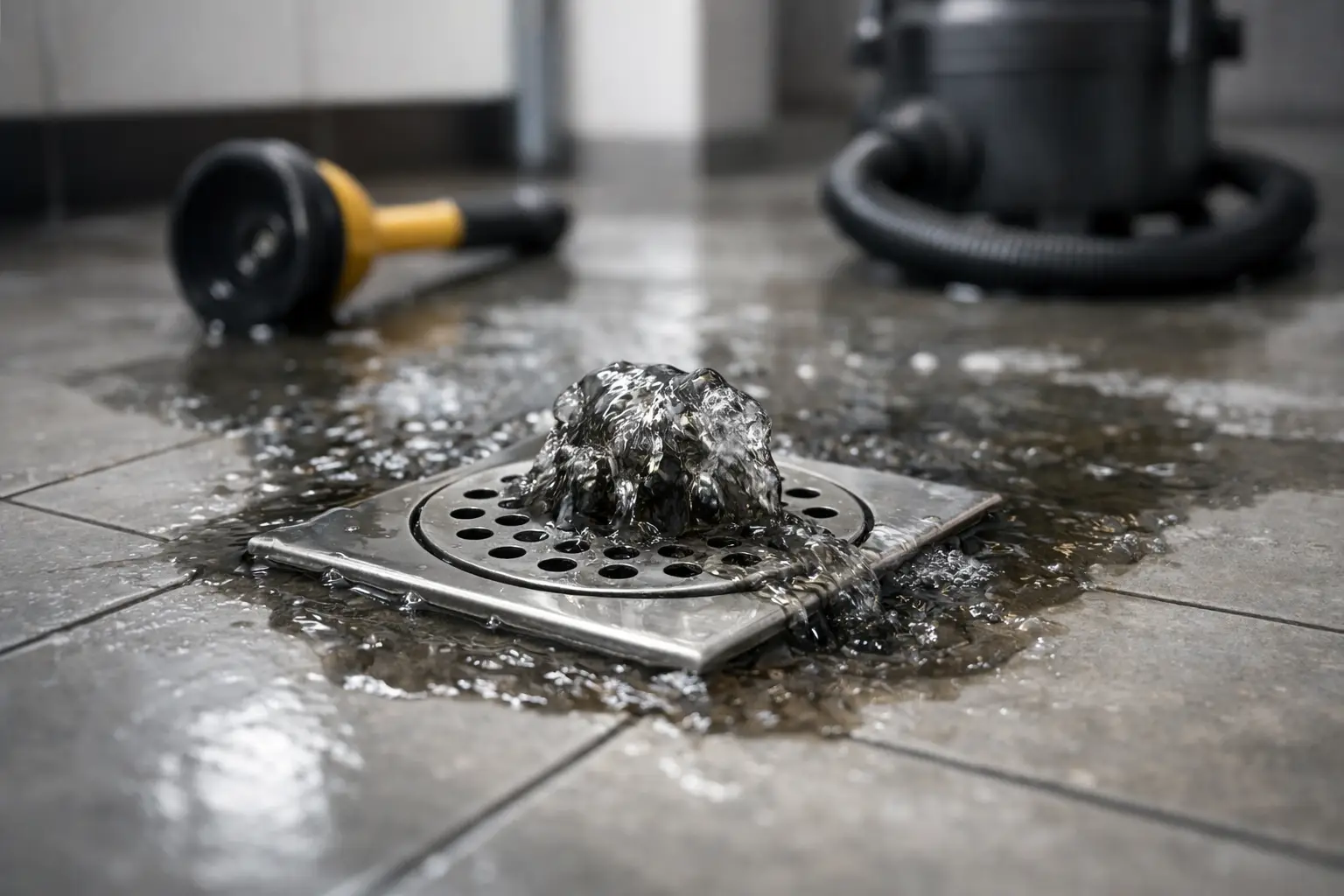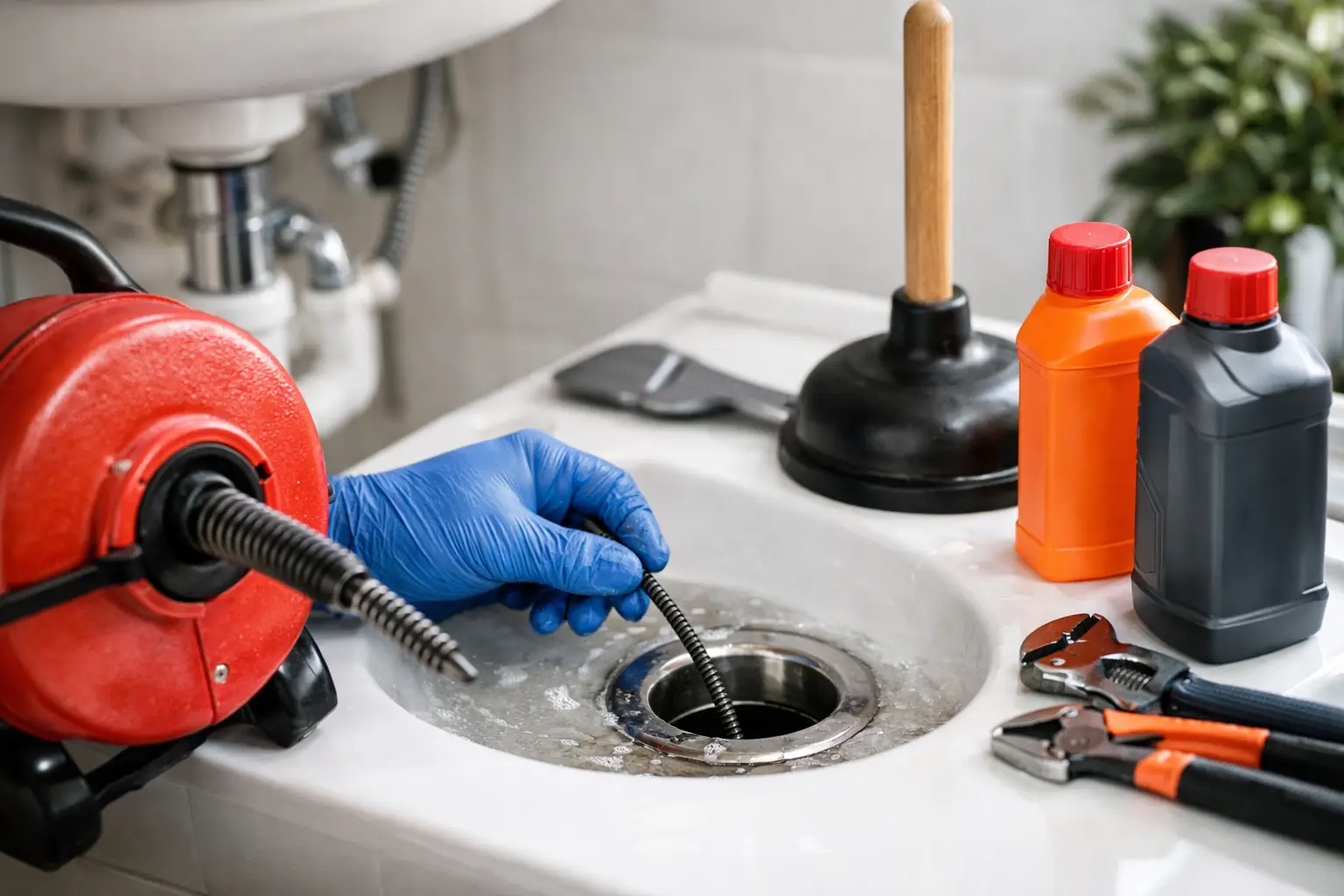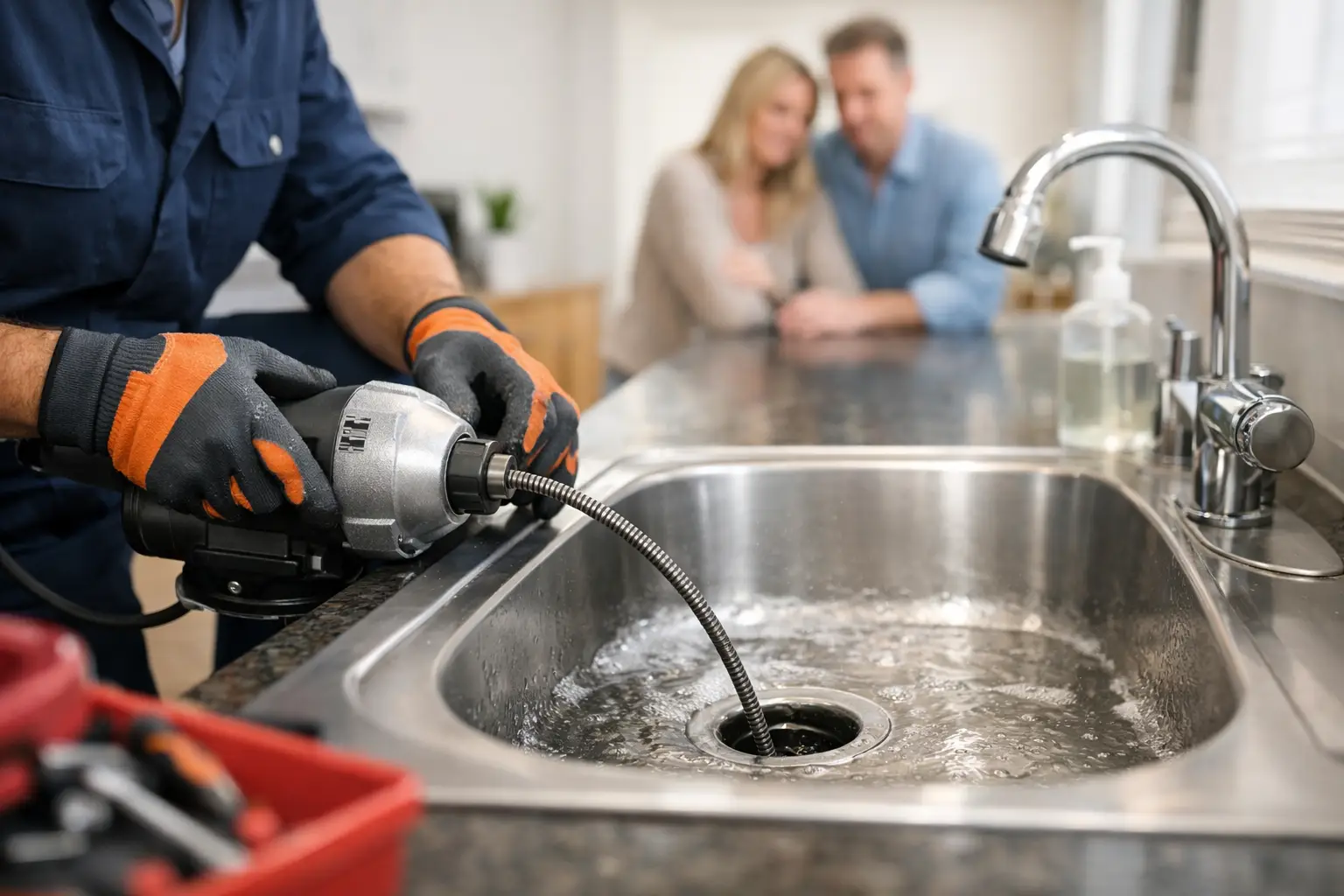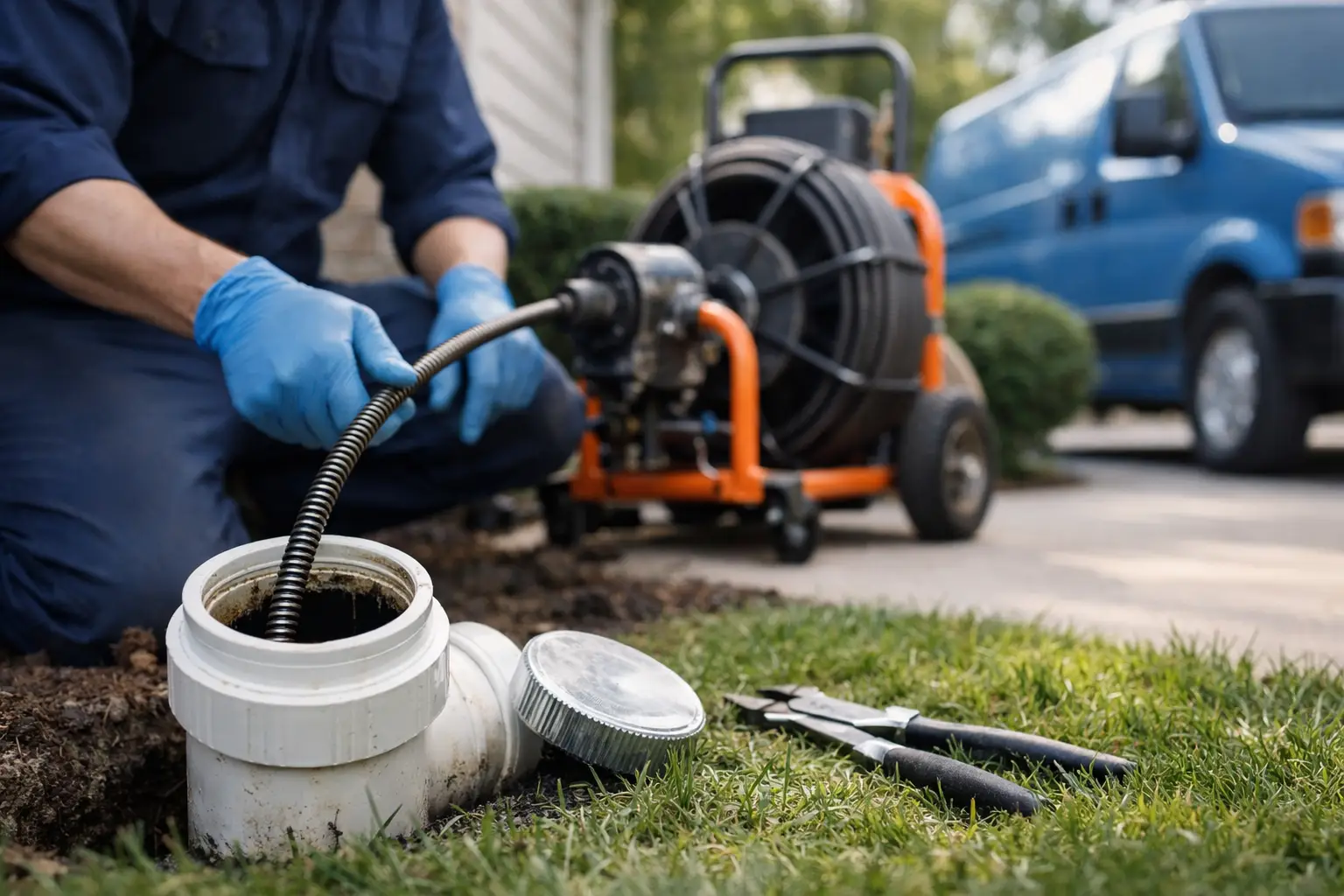
When multiple drains start acting up at the same time, you are usually not dealing with a simple clog. A tub gurgles when the toilet flushes. A basement drain backs up after the kitchen sink runs. Sewage shows up at the lowest fixture in the building. That is when a real guide to main line drain cleaning process matters, because the main sewer line works differently than a single sink or shower drain, and the fix needs to match the actual condition inside the pipe.
For homeowners and property managers, the biggest mistake is treating a main line issue like a minor nuisance. Main line problems can escalate fast. Water damage, sanitation concerns, downtime for a tenant or business, and repeat backups all become more likely when the line is only partially cleared or guessed at instead of properly diagnosed.
What the main line drain cleaning process is really about
The main line is the large drain line that carries wastewater from the home or building to the municipal sewer or septic connection. When that line is restricted, the entire drainage system can be affected. That is why the main line drain cleaning process is not just about punching a hole through a blockage and leaving. A professional job is about identifying what is in the line, choosing the right cleaning method, restoring flow, and verifying results.
That last part matters more than most people realize. A line can seem open for the moment and still be loaded with grease, roots, sludge, scale, or debris along the pipe wall. If the blockage is only partially removed, the problem often returns sooner than expected.
Step one: read the symptoms before touching the line
A good drain specialist starts with what the property is doing. Are all fixtures slow, or only some? Is there standing sewage at a floor drain? Did the problem show up suddenly, or has it been getting worse over time? Did it happen after heavy rain, after a remodel, or after years of recurring clogs?
Those details help narrow down what is most likely happening inside the line. A sudden total backup may point to a heavy obstruction or a collapse. A long pattern of slow drainage may suggest buildup, grease, root intrusion, or scale. In older homes, pipe material also matters. Cast iron, clay, Orangeburg, and newer PVC all behave differently and require different expectations.
This is where experience shows. The right technician does not just hear “clog” and grab the same tool every time.
Camera inspection usually comes before full cleaning
One of the most important parts of the guide to main line drain cleaning process is the sewer camera inspection. This is how a specialist sees what is actually going on inside the pipe instead of making assumptions from the surface symptoms.
A camera inspection can reveal grease buildup, wipes, root intrusion, scale in cast iron, settled bellies, cracked pipe sections, or a full blockage. It also helps locate where the issue is and whether the line is a good candidate for cleaning or if the damage is too severe for cleaning alone to solve.
That distinction saves time and frustration. If a line is structurally compromised, aggressive cleaning may not be the right first move. If the line is intact but heavily restricted, then cleaning can be the correct and effective solution.
Choosing the right cleaning method depends on the blockage
This is the part many customers never see, but it is what separates a short-term fix from a job done right. Not every main line clog should be handled the same way.
For soft stoppages or a simple obstruction, a cable machine may be used to reopen the line. That can restore flow quickly, but cable cleaning alone does not always clean the full inner diameter of the pipe. It is often best for getting movement when the immediate goal is relief.
For heavier buildup, hydro jetting is often the stronger option. High-pressure water cuts through grease, sludge, soap residue, and many other deposits while flushing debris out of the line. In the right pipe, it cleans far more thoroughly than simply poking a path through the middle of the clog.
For older cast iron lines, descaling may also be needed. Scale narrows the pipe over time and creates a rough surface that catches waste and paper. In those cases, restoring better flow may require more than standard jetting. A flex-shaft system with chain knockers can remove hardened scale and prepare the line for a more complete cleaning.
There is no one-size-fits-all answer here. The best method depends on pipe condition, pipe material, the type of blockage, and how long the issue has been developing.
What happens during main line cleaning
Once the plan is clear, the technician accesses the line through the most appropriate entry point, often a cleanout. Keeping the work area protected and clean is part of professional service, especially inside occupied homes or commercial spaces.
If the line is fully blocked, the first goal is usually to establish flow. That may mean breaking through a stoppage so standing wastewater can move out of the system. After that, the line is cleaned more thoroughly based on what the inspection showed.
With hydro jetting, specialized nozzles are selected based on the job. Some are designed to pull the hose down the line, others to cut through grease, and others to flush debris back toward the access point. Pressure and nozzle choice matter. More pressure is not automatically better. The right setup is the one that cleans effectively without damaging the pipe.
With descaling, the focus shifts from clearing a blockage to removing hardened buildup from the pipe wall. This is especially useful in aging cast iron systems where rough interior surfaces contribute to repeat backups. A cleaned pipe can flow much better, but expectations still need to stay realistic. If the pipe is badly deteriorated, cleaning can improve performance without turning an old line into a new one.
Verification is part of the job, not an extra
A professional main line drain cleaning process should end with proof. That usually means another camera inspection to confirm the line is open and to show how much material was removed.
This step protects the customer as much as the contractor. It confirms whether the cleaning solved the problem, whether there are remaining trouble spots, and whether a structural issue needs attention later. It also helps explain recurring issues honestly. If roots are entering through joints, cleaning may restore service now but not prevent future intrusion. If a belly is holding water, the line may continue to collect solids even after it is cleaned.
This is where clear communication matters. Customers do not need technical jargon. They need a straight answer about what was found, what was fixed, and what may need to be monitored next.
When cleaning works well – and when it is only part of the answer
Main line cleaning is highly effective when the problem is buildup, sludge, grease, paper accumulation, scale, or many root intrusions. In those situations, proper cleaning can restore strong flow and reduce the chance of near-term backups.
But there are cases where cleaning is not the whole solution. A collapsed section, offset joint, severe belly, or broken pipe may still cause trouble even after the line is opened. That does not mean the cleaning was pointless. It may have been necessary to diagnose the issue fully and get the system usable again. It just means the pipe condition itself is part of the problem.
That is why honest contractors talk in terms of conditions, not promises they cannot back up. Sometimes the right answer is, “Yes, this can be cleaned and should perform much better.” Other times it is, “We can restore flow today, but the camera shows damage that may require repair.” That kind of clarity helps property owners make smart decisions instead of paying for the same emergency twice.
Why speed matters with a main line backup
A slow sink can wait a bit. A main line backup usually should not. Once sewage starts coming up through lower fixtures, every use of water inside the property can make the situation worse. Families lose bathrooms. Tenants get frustrated. Businesses deal with interruptions they did not plan for.
Fast response matters, but fast guessing does not help. The best service is quick, clean, and verified. That means arriving ready to inspect, ready to clean with the right equipment, and ready to explain the outcome in plain language.
In Northern Virginia, where many neighborhoods have a mix of older homes and newer construction, that diagnostic approach matters. Pipe age, tree roots, grease-heavy kitchen lines, and cast iron scaling all show up in the field, and they do not all call for the same fix.
If you are dealing with recurring drain issues, multiple fixture backups, or sewage at the lowest drain in the property, do not settle for a temporary punch-through and guesswork. A proper main line cleaning process should show you what is in the pipe, clear it the right way, and confirm the line is truly flowing again. That peace of mind is worth getting the job done right the first time.