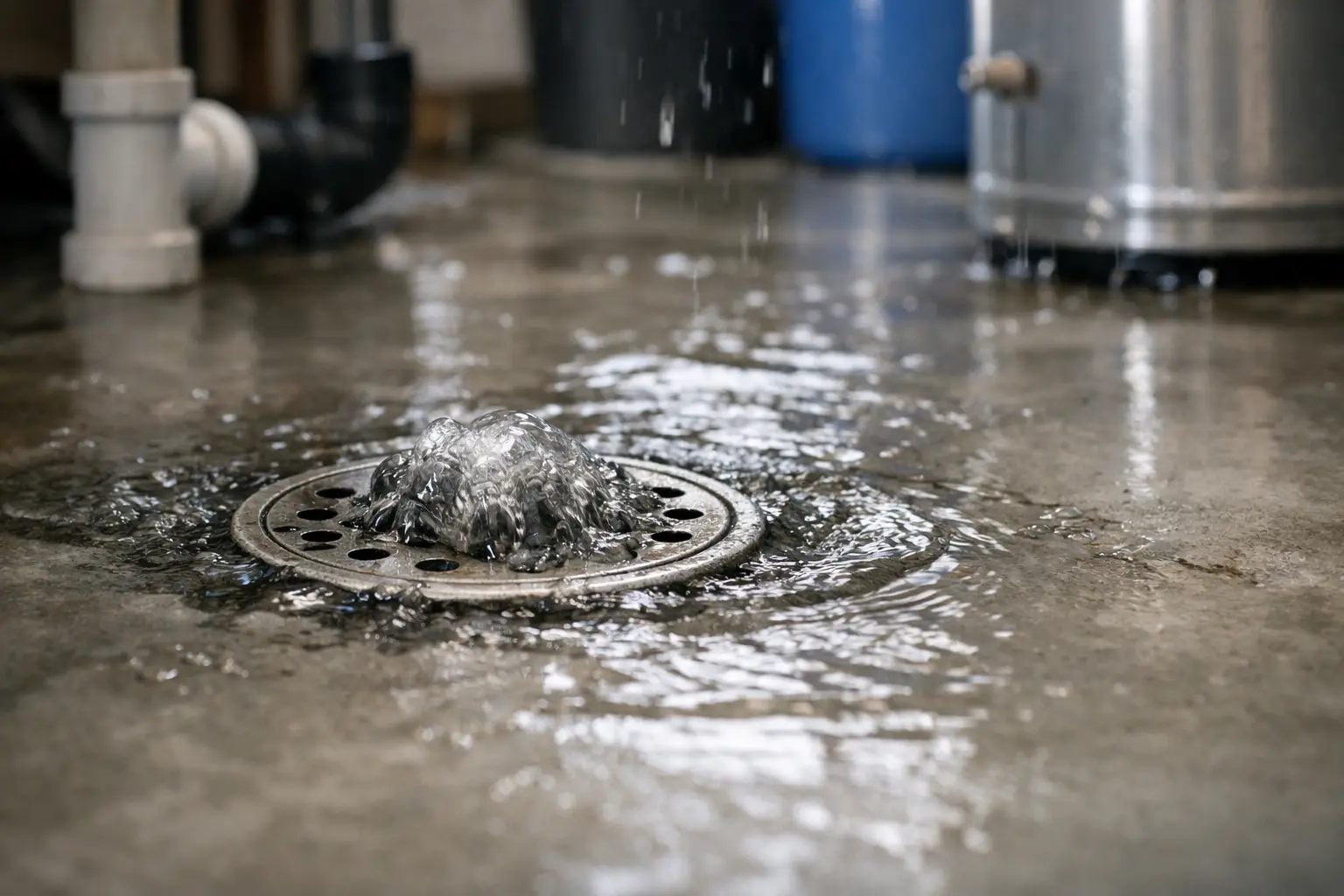
A sewer line problem usually starts with one bad day – repeated backups, slow drains across the house, or a soggy patch in the yard that should not be there. When that happens, most property owners ask the same question: trenchless sewer repair vs replacement – which one actually solves the problem without creating a bigger mess or a repeat call a few months later?
The short answer is that it depends on the condition of the pipe, not just the symptom. A line with a localized issue may be a strong candidate for trenchless repair. A line that is badly collapsed, severely offset, or failing along its full length may need replacement. The right call comes from proper diagnostics, not guesswork.
Why trenchless sewer repair vs replacement is not a simple choice
Homeowners often hear the word trenchless and assume it is always the better option. It is definitely less disruptive in many cases. You can often avoid tearing up large sections of yard, driveway, or landscaping. That matters, especially on established properties where access is tight and cleanup counts.
But trenchless is a method, not a magic fix. If the existing pipe is too damaged to support a repair, trenchless work may not deliver a lasting result. The goal is not to force a certain method. The goal is to restore flow and reliability for the long haul.
This is why camera inspections matter so much. Before anyone can recommend repair or replacement with confidence, the line needs to be inspected from the inside. A sewer camera shows where the problem is, how long it extends, and whether the pipe still has enough structure to be repaired.
What trenchless sewer repair does well
Trenchless sewer repair is often the best fit when the pipe is still mostly intact but has specific defects causing trouble. That might include cracks, root intrusion, minor separations, or surface wear that has not turned into full structural failure.
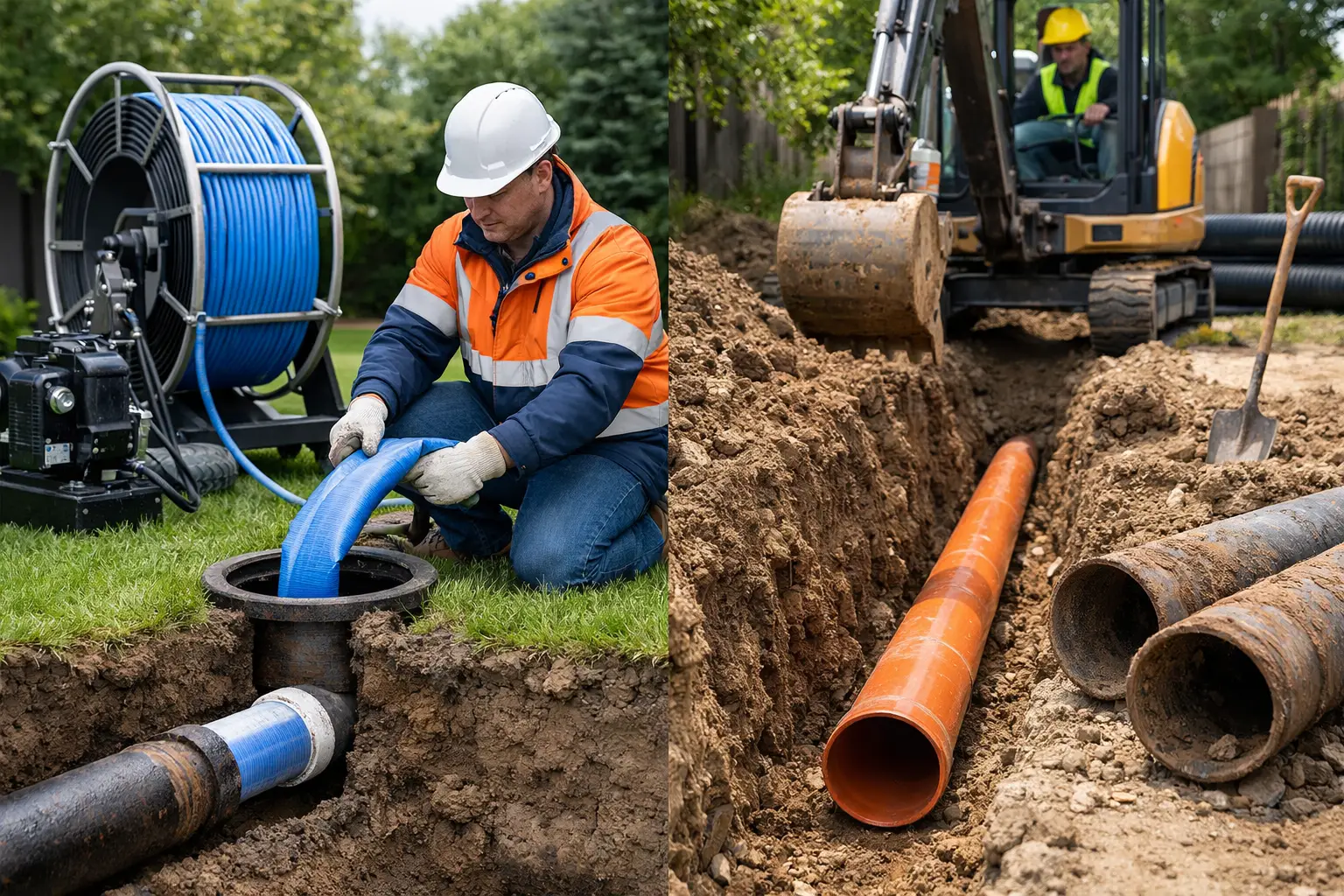
In those situations, trenchless methods can address the problem with far less disruption than traditional excavation. Instead of opening a long trench across the property, access is usually made through existing entry points or limited excavation areas. For busy homeowners and commercial properties, that can mean less downtime and less damage to restore afterward.
Another big advantage is speed. Once the line is properly cleaned and inspected, trenchless repair can often move faster than a full dig-and-replace project. That matters when a sewer issue is disrupting bathrooms, kitchens, or daily operations.
There is also a practical benefit many people overlook: verification. With the right equipment, the line can be cleaned, descaled if needed, inspected by camera, repaired, and then re-inspected to confirm the result. That step matters because sewer work should not be based on assumptions. You want to know what was fixed and what condition the line is in when the job is done.
When full sewer replacement is the better answer
There are times when replacement is simply the more responsible recommendation. If a pipe has major collapse, heavy deformation, severe channel rot, or multiple failing sections throughout the run, repairing one area may only delay the next problem.
Older sewer lines can be a good example. Some lines, especially aging cast iron or outdated materials, may have widespread scaling, corrosion, or structural deterioration. Even if one section is causing the immediate backup, the rest of the line may not be far behind. In that case, replacement can save time, frustration, and repeat service interruptions.
Replacement may also be necessary when the pipe has lost proper grade or has major offsets that stop wastewater from flowing correctly. If the line is no longer aligned or supported the way it should be, repair options become limited. You are not just fixing a hole at that point. You are dealing with a line that no longer functions as designed.
That is the trade-off. Replacement is usually more disruptive, but it can be the cleaner long-term decision when the existing pipe is at the end of its service life.
The inspection tells the real story
The biggest mistake in sewer work is treating every backup like it has the same cause. A clog is not always just a clog. Sometimes grease, roots, scale, wipes, or sludge are the visible issue, but the real problem is what those materials are catching on inside the pipe.
That is why a proper sewer camera inspection should happen before deciding between trenchless sewer repair vs replacement. The camera can reveal whether the line is blocked by buildup, narrowed by scale, cracked by root intrusion, or sagging in a way that keeps holding water and waste.
Cleaning also plays a role here. In many cases, the line needs to be properly cleared first with professional equipment so the camera can get a true view of the pipe wall. Heavy buildup can hide defects. If a line is packed with grease or scale, you may not know whether it is repairable until it has been cleaned and inspected correctly.
At Titan Jetters, that diagnostic-first approach matters because it keeps the recommendation grounded in evidence. A customer should be able to see what is going on in the line and understand why one option makes more sense than another.
Repair makes sense when the pipe still has life left
A good trenchless repair candidate usually has a pipe that is damaged, but not destroyed. The issue may be serious enough to cause backups or leaks, yet limited enough that the overall line still has usable structure.
That can be the sweet spot for a property owner who wants a durable fix without the disruption of a full replacement project. It is especially appealing when the sewer line runs under landscaping, hardscaping, or areas where excavation would be a major headache.
Still, this is where honesty matters. If the rest of the pipe is in poor condition, a repair on one section may not change the bigger picture. A quality contractor should explain that clearly instead of selling the least invasive option just because it sounds easier.
Replacement makes sense when patching would be short-lived
Some lines are too far gone for spot solutions. If the pipe has multiple failures, heavy deterioration, or recurring issues tied to the line’s overall condition, replacement is often the better investment in reliability.
This is especially true for landlords and business owners who cannot afford ongoing interruptions. A line that keeps backing up is not just annoying. It affects tenants, staff, customers, and the property itself. In those cases, a more comprehensive fix may be the smarter operational decision even if the initial work is more involved.
For homeowners, the same logic applies. Nobody wants to repair one section only to face another sewer problem next season. If the camera shows a line that is failing throughout, replacement may be the option that finally puts the issue behind you.
What Northern Virginia properties often run into
In Northern Virginia, many properties have a mix of aging sewer infrastructure, root intrusion, and heavy scale buildup inside older lines. That combination can make the decision less obvious than it sounds on paper.
A line may look like it needs replacement when the real first step is descaling and camera inspection. On the other hand, a line that keeps clogging after repeated cleanings may be showing signs of structural failure that cleaning alone will never solve. This is where specialized drain and sewer diagnostics earn their keep. You need to know whether you are dealing with buildup, damage, or both.
How to think about the right option
A smart decision comes down to three things: the structural condition of the pipe, the extent of the damage, and whether the recommended work is likely to solve the problem for the long term.
If the pipe is largely sound and the damage is limited, trenchless repair can be an efficient, less disruptive solution. If the line is broadly deteriorated or physically failing, replacement is usually the stronger answer. Neither option is automatically right. The line has to support the recommendation.
That is also why clear communication matters. You should not be left guessing about what was found, what the camera showed, or why a certain repair path is being recommended. Good sewer work is not just about equipment. It is about diagnosing the problem correctly, explaining it plainly, and doing clean, verified work that holds up.
If you are weighing trenchless sewer repair vs replacement, do not start with the method. Start with the condition of the line. Once you know what is actually happening underground, the right answer usually becomes a lot clearer.