You usually do not get much warning before a main sewer problem turns into a bad day. One toilet starts bubbling, a shower drains slower than usual, and then a lower-level drain backs up when nobody expects it. If you are looking for a real list of signs main sewer line clogging, the key is to watch for patterns across multiple fixtures, not just one isolated drain acting up.
A sink clog is often a local issue. A main sewer line clog is different because it affects how your whole home drains. When wastewater cannot move out through the main line properly, it starts showing up in places that seem unrelated. That is why early signs matter. Catching the problem before a full backup can save you from floor damage, contamination, and a much bigger repair situation.
A list of signs main sewer line clogging is affecting your home
The biggest red flag is when more than one drain starts acting up at the same time. If a bathroom sink is slow, that alone does not always point to the main line. But if the toilet gurgles, the tub drains slowly, and the laundry drain starts backing up, that combination tells a different story.
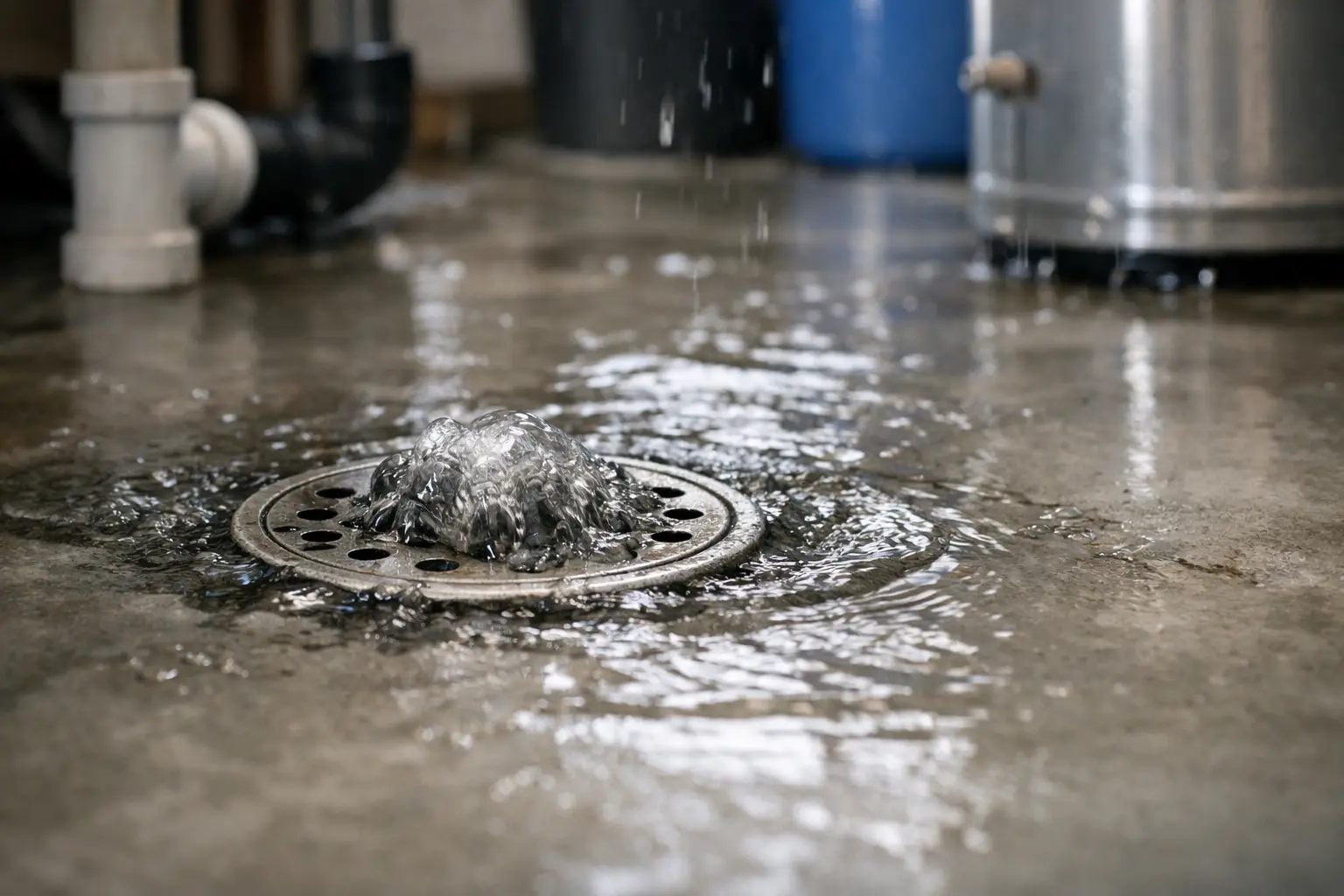
Another common sign is water showing up in the lowest drain first. In many homes, that means a basement floor drain, a first-floor shower, or a lower-level tub. Wastewater follows the path of least resistance. When the main line is restricted, the lowest opening usually pays the price first.
Toilet behavior also gives useful clues. If flushing one toilet causes bubbling in another fixture, or if a toilet flushes and the bowl water rises higher than normal before slowly going down, there may be a blockage farther down the system. Homeowners often assume the toilet itself is the problem, but repeated symptoms in multiple bathrooms usually mean the issue is deeper in the line.
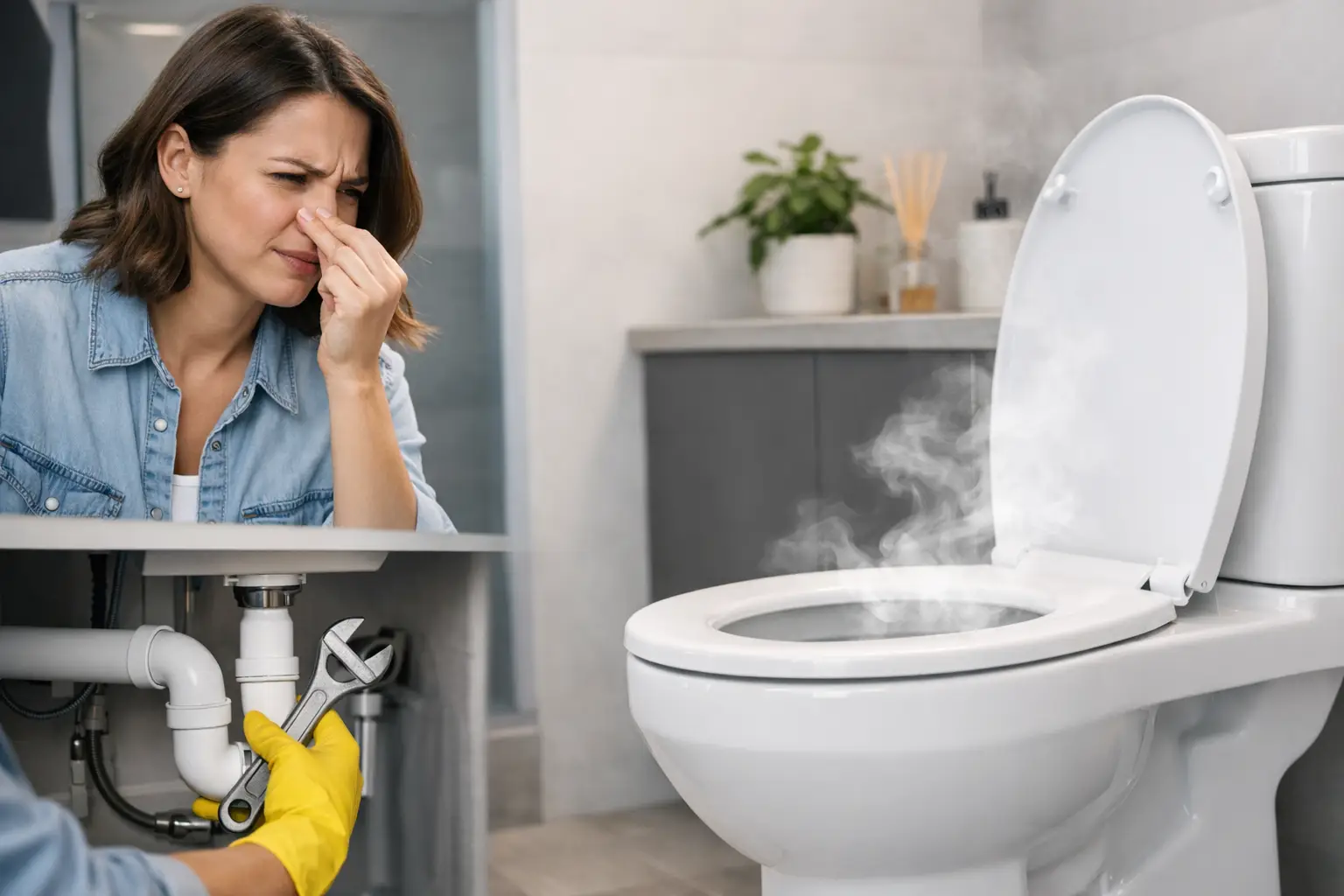
Foul odors matter too. A main sewer obstruction can create a strong sewer smell indoors or outside near the cleanout or yard. Not every bad smell means the line is clogged – sometimes a dry trap or vent issue is to blame – but persistent sewage odor combined with slow drainage should not be ignored.
The most common warning signs to watch for
Some symptoms are easy to dismiss because they start small. A little gurgling. A drain that seems a bit slower this week than last week. Water around a floor drain after the washing machine runs. These are the kinds of signs people live with until the system finally stops moving altogether.
The most common signs include:
- Multiple drains slowing down at once
- Toilets bubbling, gurgling, or flushing inconsistently
- Water backing up into tubs, showers, or floor drains
- Sewer odors inside the house or around the yard
- Backups that get worse when you run the washing machine or dishwasher
- Wet or unusually green patches in the yard above the sewer line
That last one surprises a lot of property owners. If the sewer line outside is cracked, offset, or packed with roots and waste, the ground above it can stay wetter than normal. Grass may grow faster there. In other cases, you may notice soggy soil or a bad smell in one section of the yard. It depends on whether the problem is a full blockage, a break, or a line that is partially collapsing.
Why these signs point to the main sewer line
The main sewer line carries wastewater from the house to the public sewer or septic connection. Every toilet, sink, tub, and appliance drain eventually feeds into that line. When the restriction is in a branch line, only one fixture or one area of the home usually has trouble. When the restriction is in the main line, the symptoms spread.
That is why timing matters. If the tub backs up only when the washing machine drains, or if a basement shower fills when an upstairs toilet flushes, those cross-fixture reactions are strong clues. Water is not moving out fast enough, so it pushes air and wastewater back through other openings.
There is also a difference between a line that is partially clogged and one that is nearly closed off. A partial blockage may allow slow drainage for days or weeks. A heavy blockage can trigger sudden backups with very little warning. Grease, wipes, scale buildup, roots, and settled debris can all reduce flow over time, especially in older piping.
What homeowners often mistake for a simple clog
One reason main line problems get missed is that they can start off looking ordinary. Someone plunges a toilet, pours cleaner into a sink, or assumes the shower just has hair buildup. Sometimes that local fix appears to help for a short time. Then the symptoms come back because the real restriction is farther down the line.
Commercial buildings and rental properties often see the same pattern. A restroom gets written off as a one-time issue, but the backup returns during heavier use. If a clog seems to move from fixture to fixture, or if the same symptoms keep showing up after temporary relief, it is worth looking at the main sewer line instead of treating each drain like a separate problem.
Older homes in Northern Virginia can be especially vulnerable because age, pipe scale, root intrusion, and shifting soil all play a role. Cast iron lines may narrow from internal scale buildup. Clay or older pipe materials can allow roots to enter at joints. Even newer lines are not immune if grease, wipes, or heavy paper use are part of the picture.
When the problem becomes urgent
A main sewer line clog moves from inconvenience to urgent when wastewater starts coming back into the home. At that point, the priority is limiting use and getting the line diagnosed correctly. Continuing to run fixtures can make the backup worse.
Urgency also goes up if sewage odor is strong, if water is appearing around a floor drain, or if the lowest level of the property is repeatedly affected. For businesses, there is another factor: downtime. A restaurant, office, or tenant-occupied property cannot afford repeated drain failures that disrupt normal use.
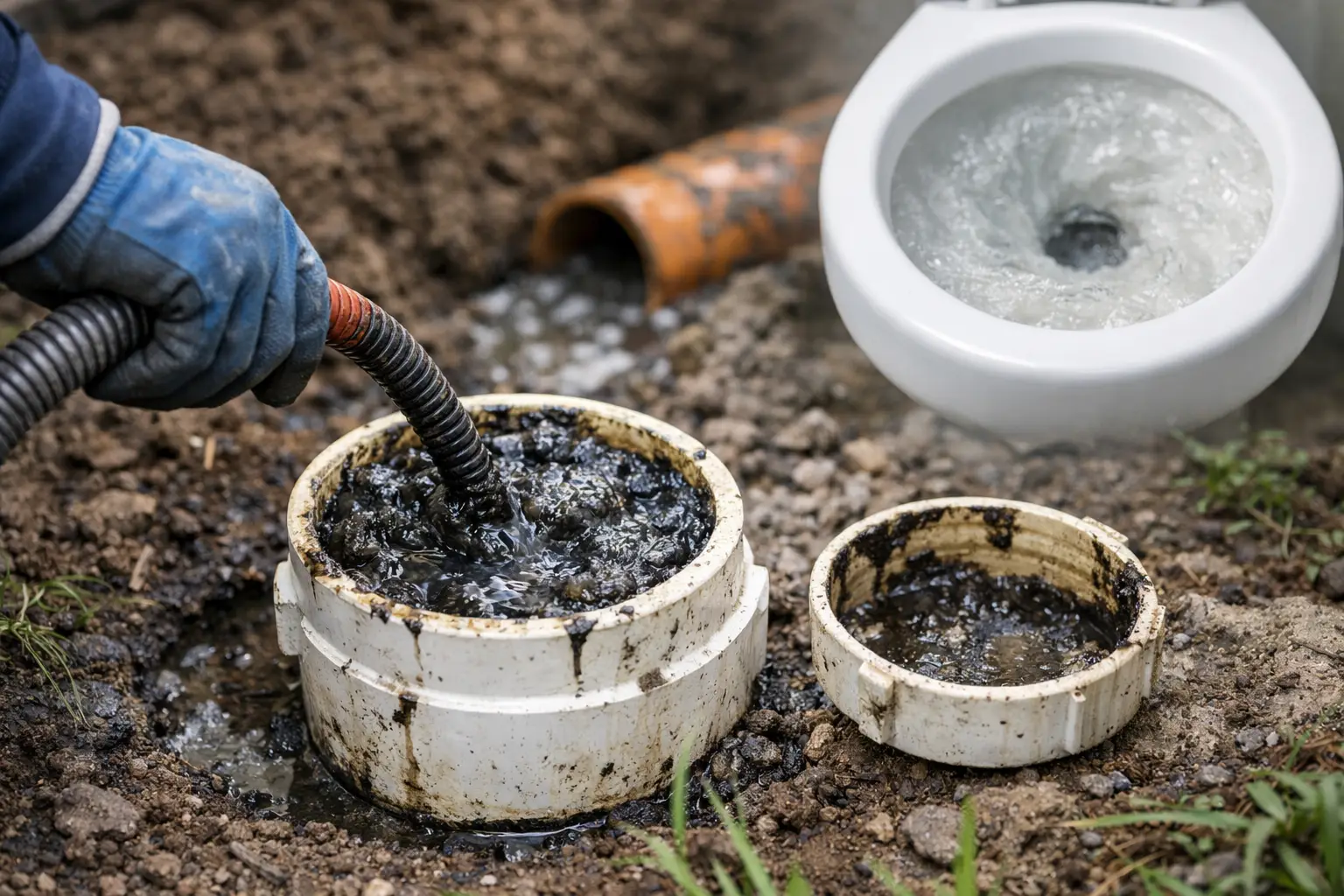
This is where proper diagnostics matter. A professional sewer camera inspection can confirm whether the issue is grease, roots, scale, a belly in the line, or a break. Hydro jetting or descaling may restore full flow when buildup is the cause, but not every line should be treated the same way. It depends on pipe condition, material, and what the camera shows. Guessing wastes time. Verified results are what matter.
What to do if you notice this list of signs main sewer line clogging is getting worse
If you are seeing several of these symptoms together, treat it like a system problem, not a single clogged drain. The more consistent the pattern across toilets, showers, sinks, and floor drains, the more likely the main sewer line is involved.
The smart move is to stop heavy water use and have the line checked before a full backup happens. In practice, that means paying attention to what fixtures react, when the issue shows up, and whether the problem is isolated to one part of the home or spreading. Good diagnostics can save a lot of cleanup later.
At Titan Jetters, that usually means verifying the condition of the line with a sewer camera and recommending the right clearing method based on what is actually inside the pipe. For some properties, high-pressure hydro jetting is the right answer. For others, descaling or a more targeted approach makes more sense. The goal is simple: restore flow, confirm the result, and avoid repeat problems.
A main sewer clog rarely gets better on its own. If your home is showing the signs, trust what the plumbing system is telling you and deal with it before the next flush turns into a backup.