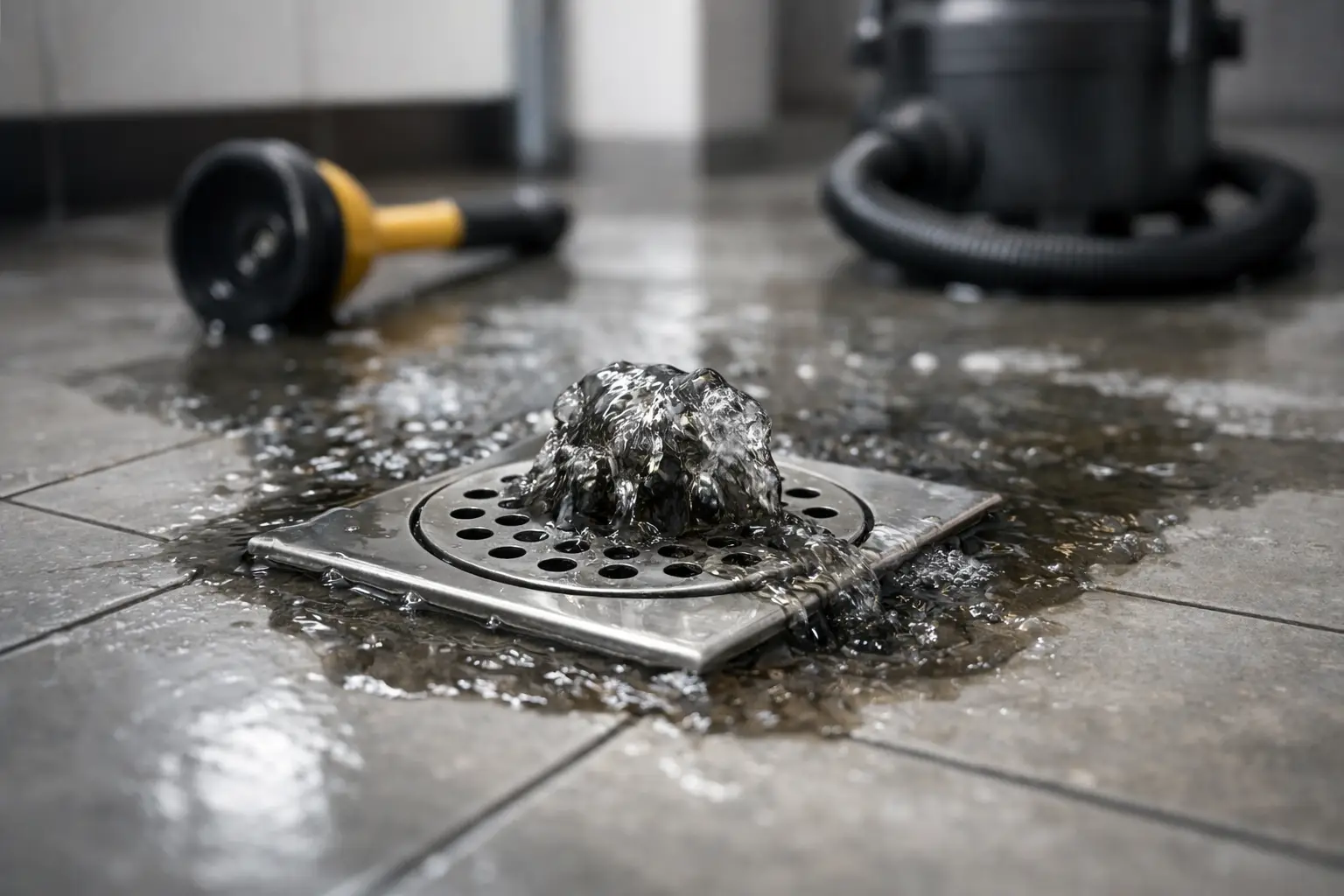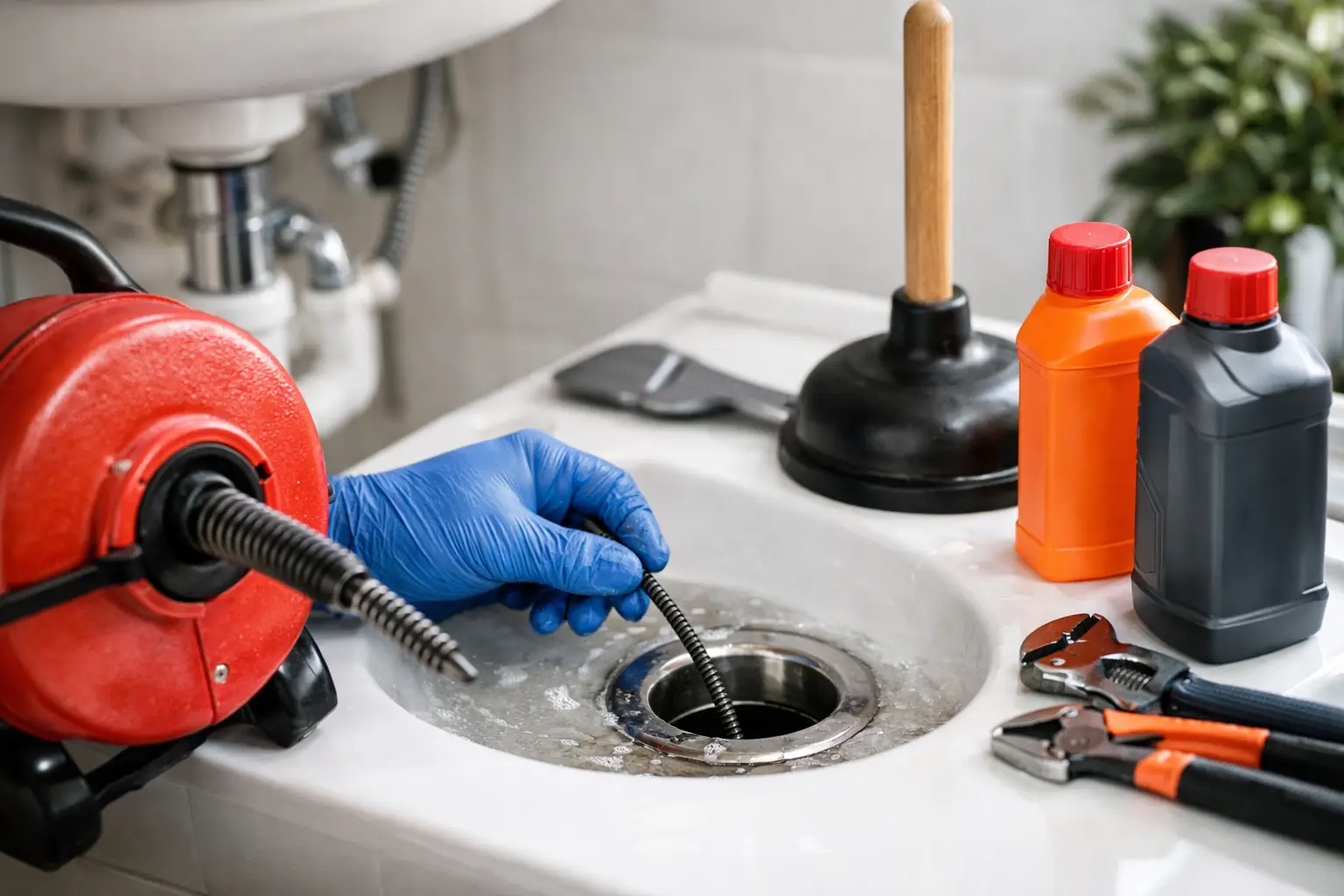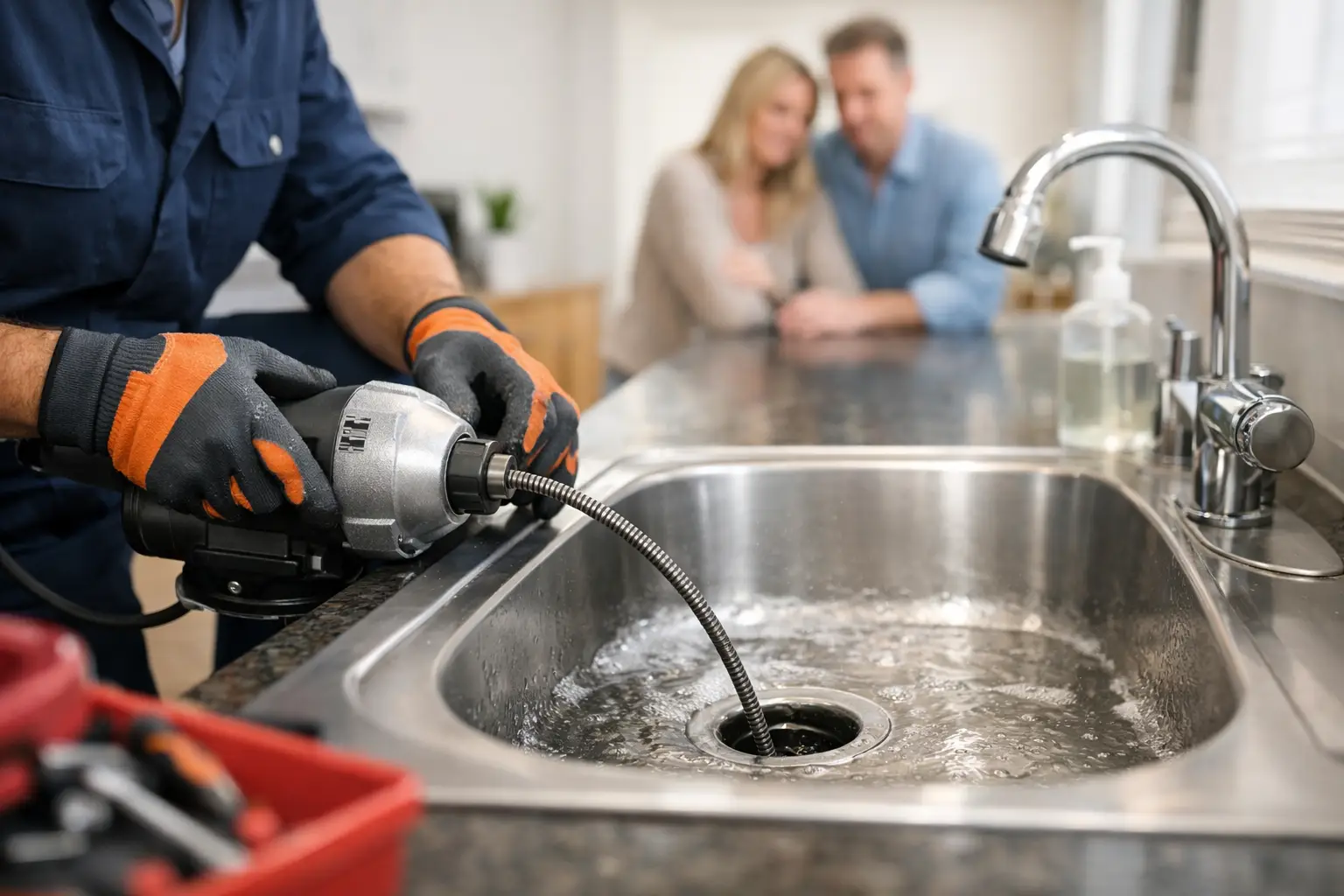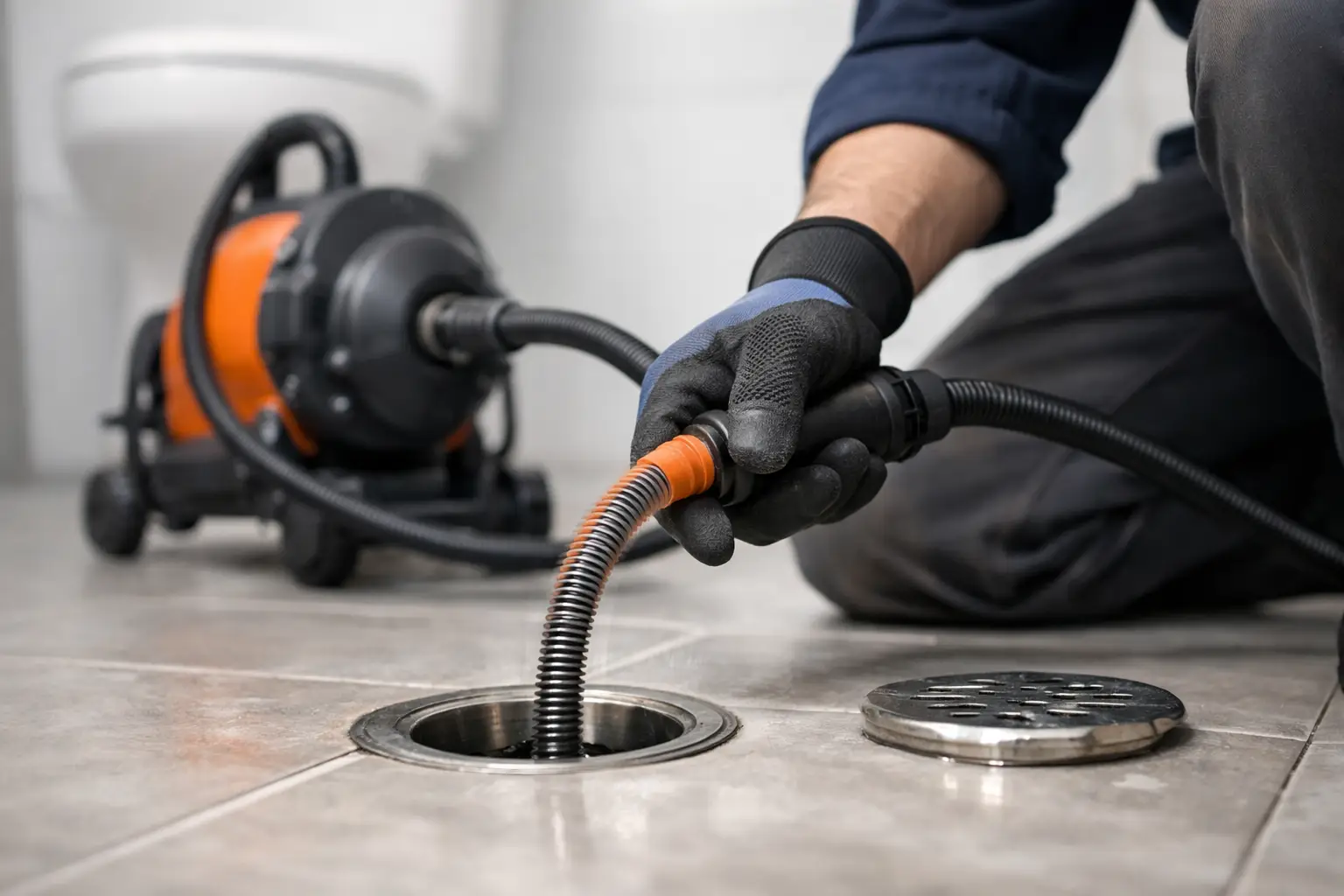
A drain can seem fine right up until it isn’t. The kitchen sink starts backing up every evening, the floor drain holds water longer than it should, or a bathroom line keeps clogging even after it was “cleared” before. That is where flex shaft drain cleaning for tough clogs earns its keep. It is built for the blockages that basic cable machines often punch through without fully cleaning out.
For homeowners and property managers, that difference matters. A line that is only partially opened may drain for a few days or a few weeks, then put you right back in the same situation. When the goal is a cleaner pipe wall and a longer-lasting result, flex shaft equipment is often the smarter choice.
What flex shaft drain cleaning actually does
A flex shaft system uses a rotating inner cable inside a protective outer sheath. At the working end, a specialized chain or cleaning head spins at high speed and scrubs the inside of the pipe. Instead of just boring a hole through the blockage, it is designed to clean the line more thoroughly.
That makes it especially useful when the problem is not a single soft clog. Many tough drain issues come from buildup spread along the pipe wall – grease, sludge, soap residue, scale, or years of rough deposits that keep catching debris. In older cast iron lines, interior scaling can narrow the passage and create repeat backups. In those cases, “open” is not the same as “clean.”
This is also why flex shaft work is often paired with camera inspection. Cleaning is one part of the job. Verifying what was in the line, how well it was removed, and whether there is pipe damage is what turns a drain call into a real diagnosis.
Why flex shaft drain cleaning for tough clogs works better than basic snaking
A standard drain snake still has a place. For some stoppages, it is a fast and effective way to restore flow. But there is a trade-off. Snaking often creates a path through the clog instead of removing the material coating the pipe.
With flex shaft drain cleaning for tough clogs, the goal is wall-to-wall contact. The spinning head breaks apart debris and scrubs buildup from the interior surface of the line. That matters in kitchen drains with heavy grease, branch lines carrying soap and hair buildup, and older drain systems where scale has been building for years.
It also tends to be a cleaner, more controlled process in the right hands. Professional equipment is selected based on pipe size, line condition, access point, and the type of obstruction. That helps avoid the guesswork that leads to incomplete cleaning or unnecessary stress on the pipe.
The kinds of clogs this method handles well
Not every clog is the same, and the tool should match the problem. Flex shaft systems are strong performers when the issue is buildup rather than a simple isolated stoppage.
Grease is a big one, especially in kitchen lines. Grease does not just sit in one spot. It coats the pipe, grabs food particles, and slowly reduces the inside diameter of the drain. A cable may poke a channel through it, but scrubbing the pipe wall is what helps restore better flow.
Scale is another common problem, especially in aging cast iron. As corrosion and mineral deposits build up, the interior gets rough and restricted. That rough surface keeps catching debris and turns a small drainage issue into a repeating service call. Flex shaft cleaning can remove a lot of that loose scale and improve the line’s ability to carry waste.
Sludge, soft blockages, and compacted debris can also respond well. In commercial settings or rental properties, recurring drain issues often come from buildup that has been accumulating for a long time. A more complete cleaning can reduce repeat problems and downtime.
That said, it depends on the line condition. If a camera shows a collapsed section, severe offset, or major root intrusion, cleaning alone is not the full answer. The right contractor will tell you that plainly.
When flex shaft is the right choice – and when it isn’t
This method is strong, but it is not a one-tool-for-every-job solution. That is actually a good thing. Honest drain service means matching the equipment to the line, not forcing every problem into the same process.
Flex shaft is a strong option for interior branch lines, kitchen drains, laundry lines, and descaling work where buildup is the main issue. It is especially useful when a drain has been “cleared” before but the symptoms keep coming back. If the pipe needs more than a hole punched through the blockage, this approach makes sense.
For heavier debris loads, larger sewer lines, or situations where you need to flush substantial buildup downline, hydro jetting may be the better fit. Water pressure can move material out of the system in a way mechanical cleaning alone may not. On the other hand, if the pipe is fragile or the conditions call for a more controlled mechanical cleaning approach, flex shaft equipment may be the safer and more precise option.
That is where experience matters. The right answer comes from inspecting the line, understanding the pipe material, and choosing the method that gives the best result without unnecessary risk.
Why camera verification matters after cleaning
One of the biggest differences between average drain service and specialist-level drain service is verification. If no one looks inside the pipe, you are left guessing. Did the cleaning head remove the buildup? Is there a cracked section of pipe still causing problems? Are roots, scale, or grease still hanging up in the line?
A sewer camera gives real answers. It shows whether the line is draining properly, how clean the pipe walls are, and whether there are defects that cleaning will not solve. That protects the customer from false confidence and helps avoid repeat appointments for the same issue.
For property owners in older parts of Northern Virginia, this matters even more. Aging drain systems can hide scale, corrosion, and rough interior surfaces that are not obvious from symptoms alone. A camera helps confirm whether the blockage was the entire problem or just part of it.
What homeowners and property managers should expect from a professional service call
A good drain cleaning visit should feel organized from the start. The technician should assess the symptoms, identify a proper access point, explain what they are seeing, and recommend the right cleaning method based on the actual line condition. It should not feel rushed, vague, or built around upselling.
Clean execution matters too. Drain work is messy by nature, but the job site should still be protected and respected. That includes using the right equipment setup, keeping the work area controlled, and leaving the space in good shape when the job is done.
Most important, the explanation should be clear. If flex shaft cleaning is the right move, you should know why. If the line needs jetting, repair, or further inspection instead, you should hear that just as clearly. The point is to solve the problem correctly, not just get temporary flow and move on.
That is the standard customers should expect from a specialist like Titan Jetters – fast response, honest diagnosis, and results that are backed by proof, not guesswork.
The real value of flex shaft drain cleaning for tough clogs
The value is not just that the drain starts moving again. It is that the line gets cleaned more completely when buildup is the root issue. That can mean fewer callbacks, fewer recurring backups, and less disruption to your home or property.
It also helps bridge the gap between a basic drain opening and a more comprehensive line restoration approach. When used correctly, flex shaft cleaning can remove the material that keeps creating problems, while camera inspection confirms whether the line is actually in better condition afterward.
If a drain has been slow for a while, if backups keep returning, or if an older line is likely carrying years of buildup, this method deserves a serious look. The best drain solutions are not about using the flashiest machine. They are about using the right one, proving the result, and getting your system back to doing what it should – flowing the way it is supposed to.