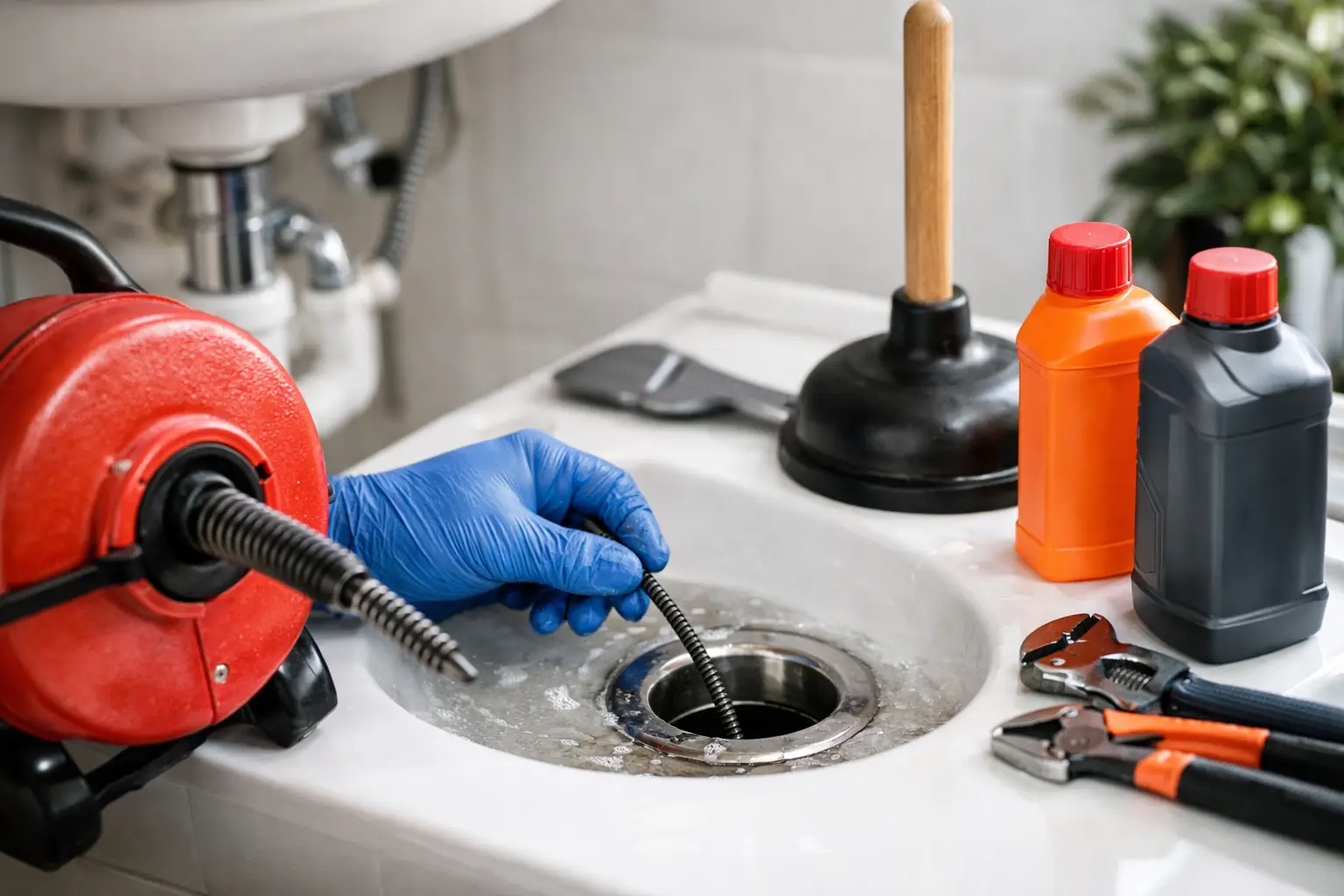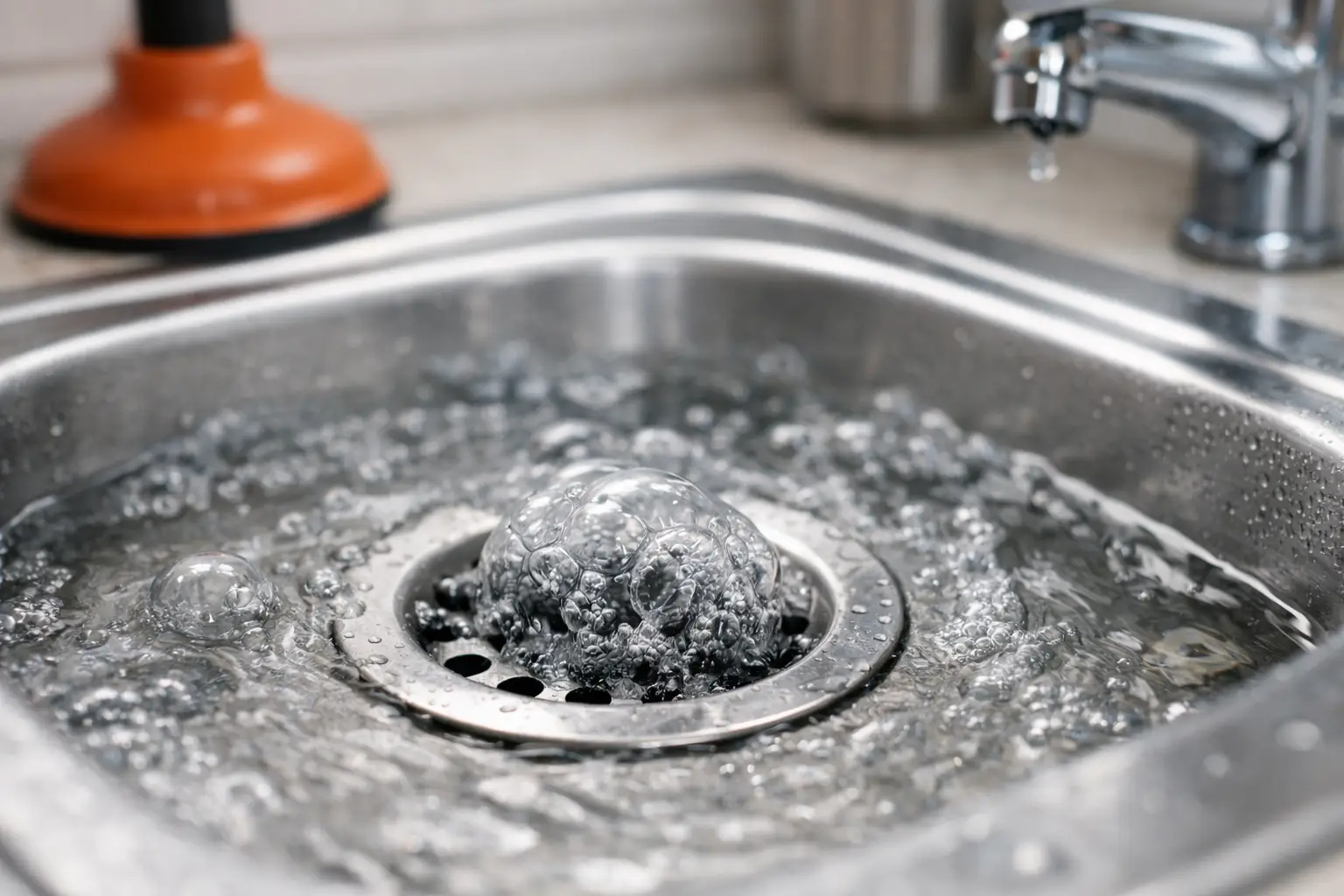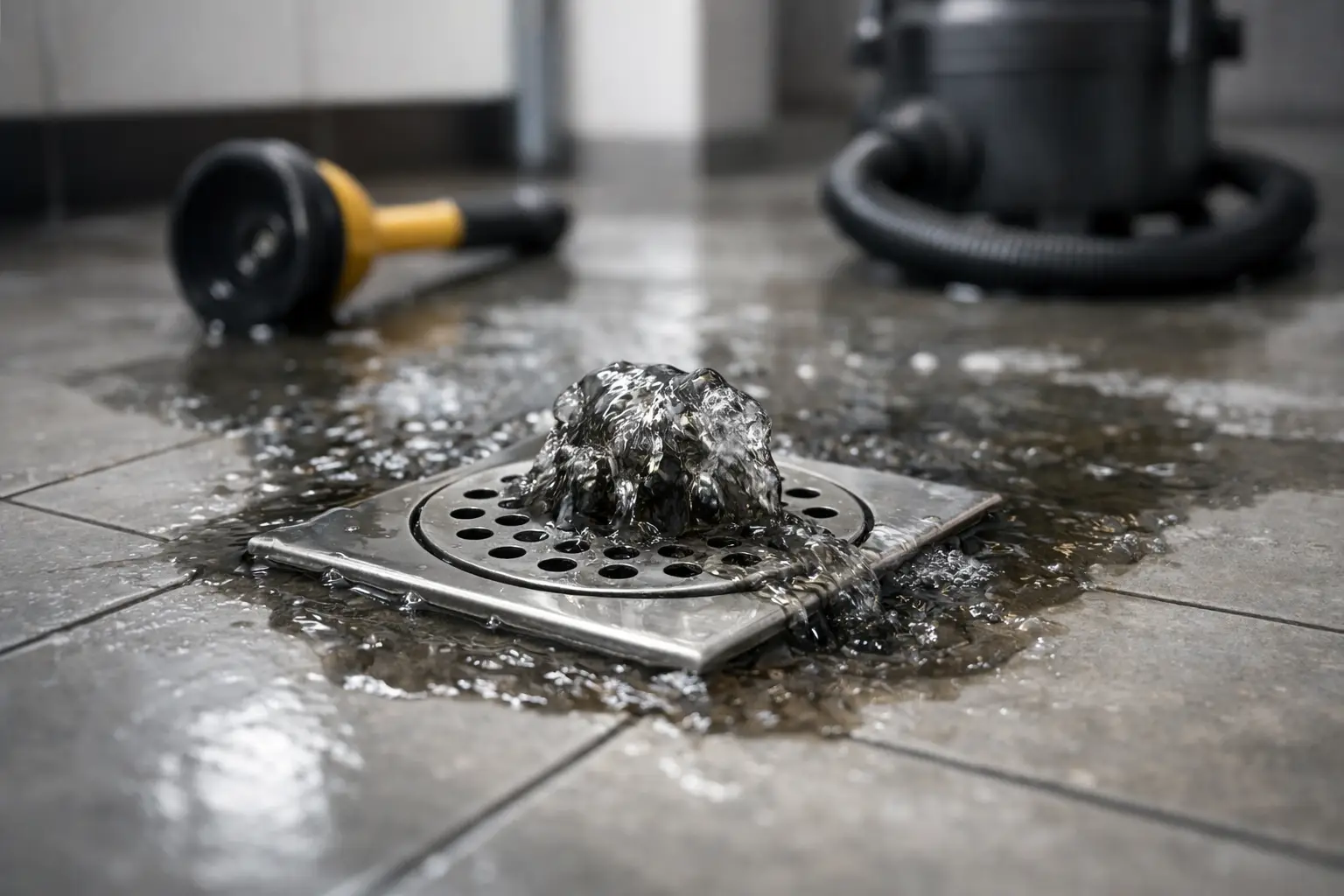
A basement floor drain backing up usually gets your attention fast. One minute everything seems fine, then you notice dirty water pooling around a drain that should only be taking water away. If you are wondering why floor drains back up, the short answer is this: the drain is doing its job as the lowest exit point in the system, and something farther down the line is stopping wastewater from moving out.
That matters because a floor drain backup is often not just a floor drain problem. In many homes, especially older properties, it is a warning sign that the branch drain or main sewer line is partially blocked, heavily scaled, holding grease, or damaged. The floor drain is simply where the problem shows itself first.
Why floor drains back up in the first place
A floor drain sits low, usually in a basement, utility room, garage, or commercial space. Because it is lower than most other fixtures, backed-up wastewater often appears there before it overflows from a toilet, tub, or sink. Think of it as the relief point in the system – not the cause.
Sometimes the blockage is close to the drain itself. Dirt, lint, mop debris, soap residue, and sediment can build up in the trap or nearby line. That is the simpler version of the problem.
More often, the issue is farther down. If the main drain line slows because of grease, sludge, scale, wipes, roots, or a section of pipe that has shifted or collapsed, wastewater from the rest of the property has nowhere to go. It backs up to the lowest opening, which is often the floor drain.
This is why the source matters. Clearing the visible backup without confirming what is happening inside the line can leave the real restriction in place. The water may go down for the moment, then return during the next heavy use.
Common causes behind a floor drain backup
One common cause is a local clog in the floor drain line. In laundry areas, lint is a frequent offender. In utility rooms and garages, dirt and debris wash into the drain over time. In commercial spaces, floor drains can collect grease, sediment, food particles, or cleaning residue depending on the building use.
Another major cause is buildup inside older pipes. Cast iron lines are a good example. As they age, corrosion and scale reduce the inside diameter of the pipe. At first, drains only move a little slower. Over time, that rough, narrowed interior catches more debris and creates repeat backups. In those cases, the problem is not one isolated clog. It is a pipe condition issue.
Grease is another big one. Even if the floor drain itself never sees grease directly, grease from kitchen lines can travel into shared drain piping and cool inside the system. Once it hardens, it starts catching everything else.
There is also the sewer main to consider. If multiple fixtures connect to the same line and that line is restricted, the floor drain becomes the first place you see the result. A backup after running the washing machine, taking a shower, or flushing a toilet can point to a larger line problem rather than a single clogged drain.
Outside factors matter too. Tree roots can enter sewer lines through joints or cracks. Heavy rain can expose drainage weaknesses in some systems. A pipe can bellied, separated, or partially collapsed underground. Those are not issues you guess at from the surface. They need to be verified.
Signs the problem is bigger than one drain
A single slow floor drain does not always mean the whole sewer line is failing. But certain patterns usually point to a larger issue.
If the floor drain backs up when you use another fixture, pay attention. For example, if the basement drain fills when the washing machine discharges or when an upstairs shower runs, the water is likely being pushed back through the lowest opening because the main line cannot carry flow properly.
Bad odors can also tell you something. A dry trap can create sewer smells, but a strong recurring odor combined with slow drainage can signal standing waste in the line.
Gurgling sounds are another clue. When air cannot move freely through the drainage system because water is meeting resistance, drains and toilets may gurgle. Add in recurring clogs, and that usually means the blockage is not isolated.
The biggest red flag is multiple affected fixtures. If you have a floor drain backup along with slow tubs, toilets that seem sluggish, or sinks that drain inconsistently, it is time to treat it like a system problem.
Why recurring backups happen
One-time clogs and recurring backups are two different conversations. A recurring floor drain backup usually means the line was only partially opened, not fully cleaned, or the true cause was never identified.
This is where drain cleaning method matters. Punching a small hole through a blockage may restore temporary flow, but it can leave grease, sludge, scale, or root mass stuck to the pipe walls. Water gets through for a while, then the buildup grabs debris again and the line closes back up.
Older cast iron and heavy buildup situations are especially prone to this. If the line is scaled down, it may need more than basic cable work. In some cases, descaling or high-pressure cleaning is what restores usable diameter and proper flow. And if the pipe is cracked, offset, or collapsing, cleaning alone will not solve it.
That is why a backup that keeps coming back should never be treated as normal. It is usually a sign that the visible symptom was addressed, but the condition inside the pipe was not.
Why proper diagnosis matters
The reason floor drains back up is not always obvious from what you can see on the floor. Dirty water at the drain tells you there is a problem. It does not tell you whether the issue is lint near the trap, grease in a shared branch line, heavy scale in cast iron, roots in the sewer, or a damaged underground section.
That is where real diagnostics matter. A sewer camera inspection can show what is actually inside the line and where the restriction starts. That removes guesswork. It also helps separate a cleaning issue from a repair issue, which saves time and prevents the wrong fix.
For buildup-heavy lines, especially in older homes and commercial properties, hydro jetting or mechanical descaling may be the right move because they clean the pipe wall more thoroughly than a basic opening pass. But it depends on pipe condition. You want the method matched to the line, not a one-size-fits-all approach.
A good drain specialist should be able to explain what they found, show you what is happening in the line when needed, and confirm that flow is restored. That is how you avoid paying for repeat visits on the same problem.
What homeowners and property managers should watch for
If the floor drain has backed up once, the next step is paying attention to the pattern. Does it happen only during heavy water use? Only after laundry? Only in wet weather? Has the property had repeat drain problems before? Is the home older with original cast iron? Those details help narrow down whether you are dealing with a localized clog or a broader sewer issue.
In Northern Virginia, many homes have a mix of aging drain infrastructure and high daily use. That combination makes backups more likely to show up first at basement or utility floor drains. For landlords and business owners, the stakes are even higher because downtime, odors, and water damage affect tenants, staff, and customers quickly.
The key is not waiting for the next backup to give you a stronger signal. Floor drains usually do not fail quietly. They give warning signs first.
When to bring in a drain specialist
If the backup involves sewage, if multiple fixtures are acting up, or if the problem keeps returning, it is time for professional drain and sewer diagnosis. This is not just about getting the water to go down. It is about finding out why it came up in the first place.
A proper service call should focus on identifying the restriction, choosing the right cleaning method, and verifying results. At Titan Jetters, that means looking at the actual condition of the line and solving the cause, not just the symptom.
A floor drain backup is messy, but it is also useful information. It is your plumbing system telling you that flow is restricted somewhere it should not be. Catch it early, get the line checked correctly, and you have a much better shot at avoiding the next overflow.