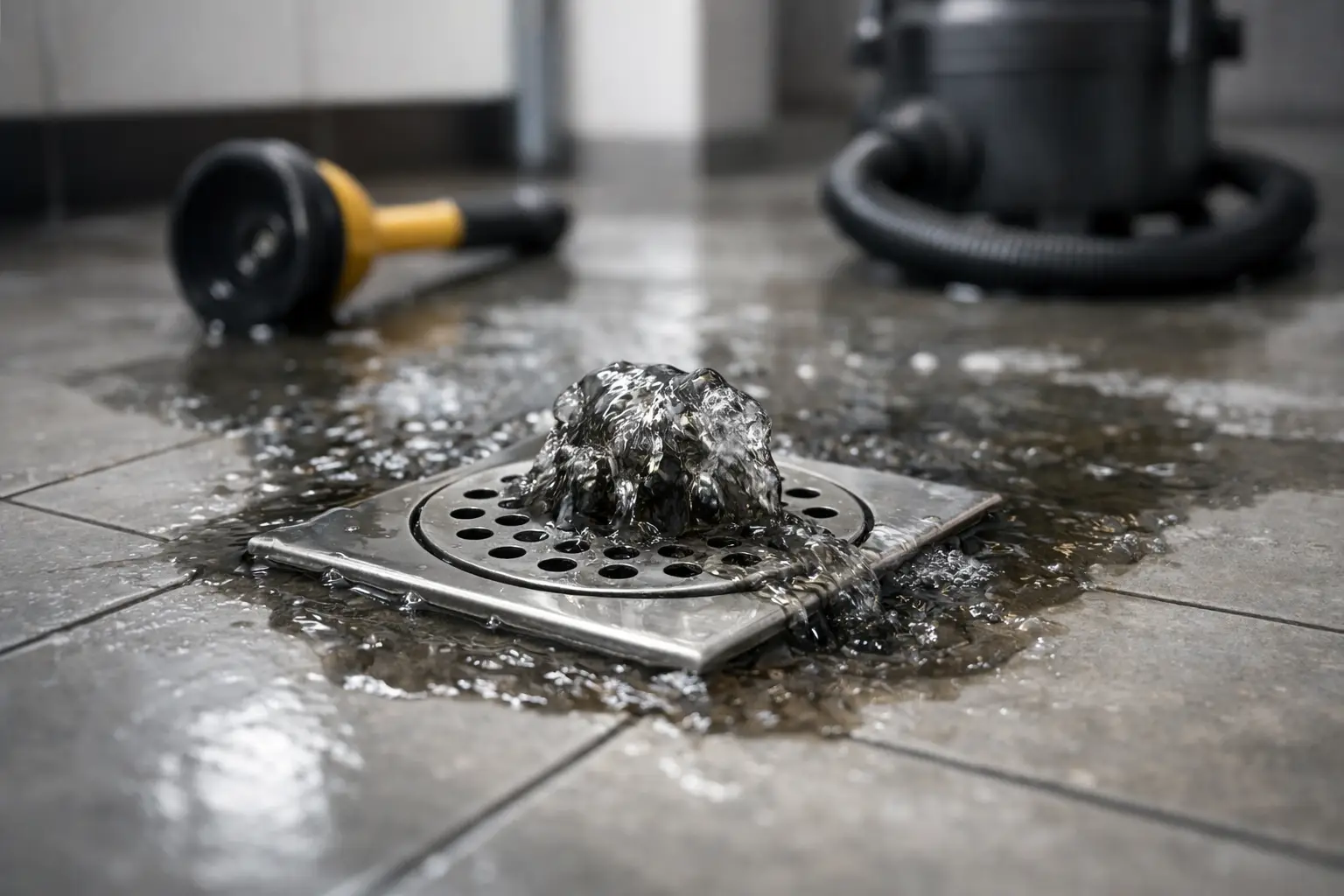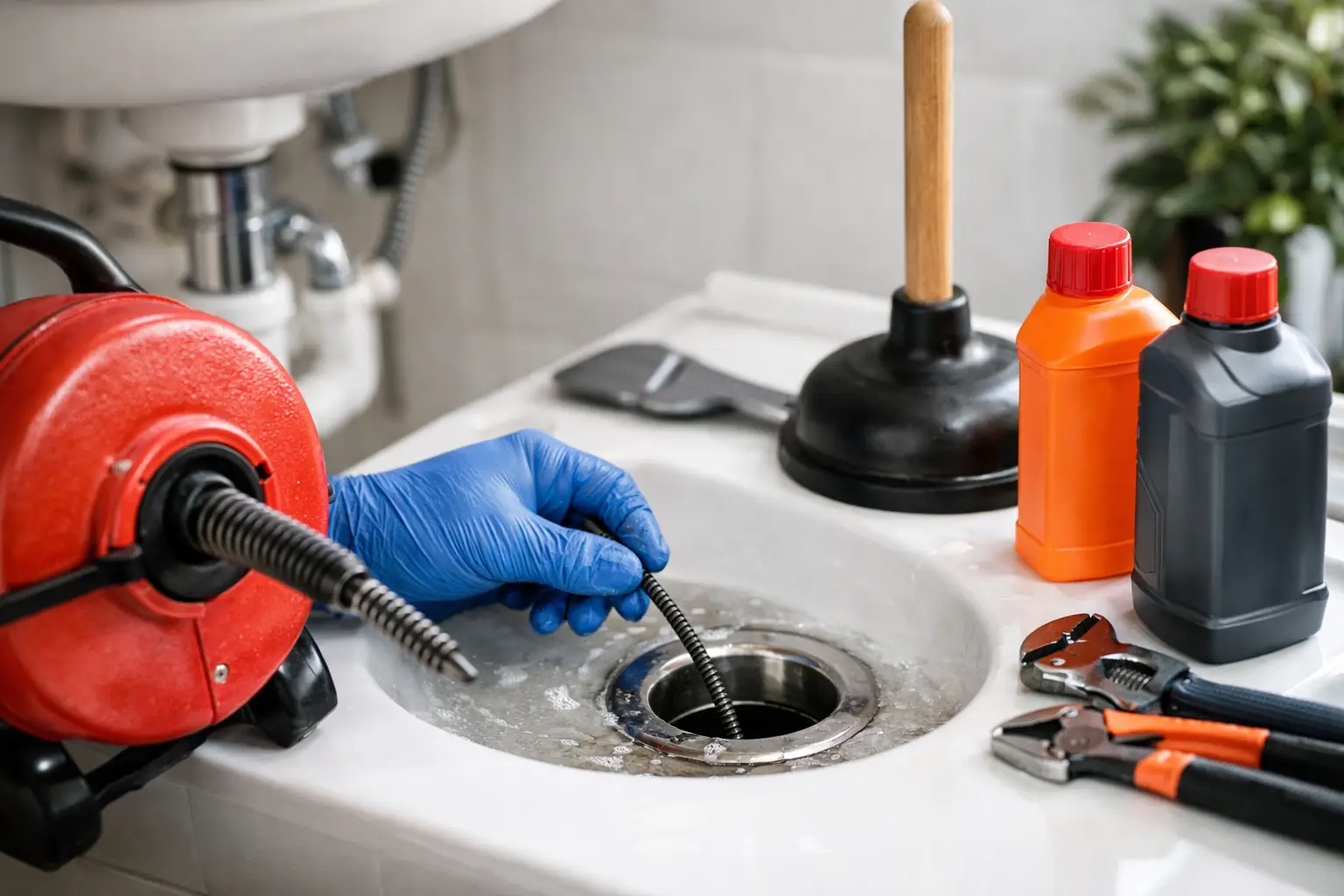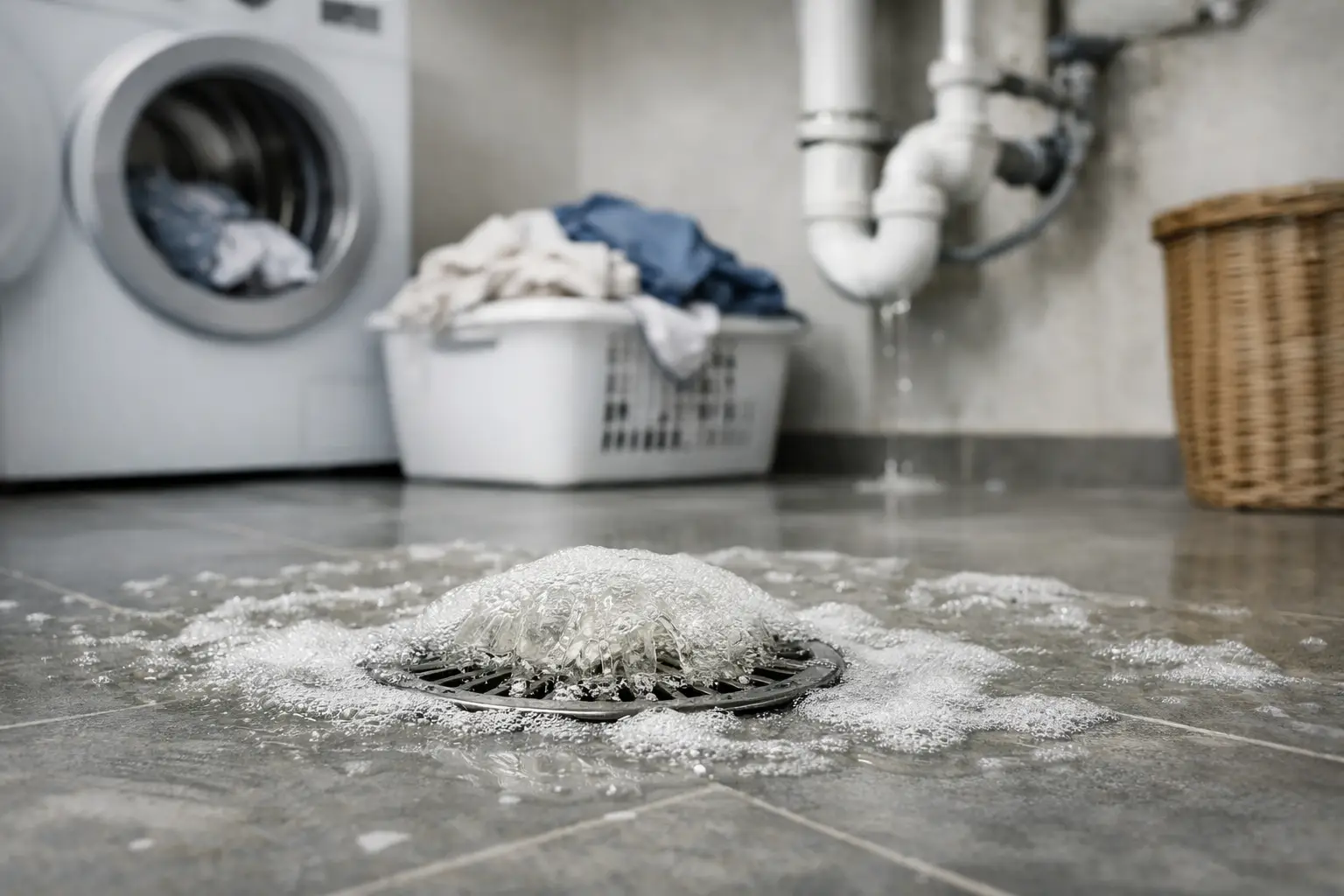
A laundry drain backup usually starts the same way. The washer kicks into discharge, the standpipe fills faster than it should, and suddenly you are looking at dirty water creeping onto the floor. For homeowners and property managers in Northern Virginia, that kind of mess is more than annoying. It can interrupt your whole day, damage flooring and drywall, and point to a bigger drain problem that will not clear up on its own.
The good news is that laundry drain backup causes and fixes are usually traceable once the system is looked at the right way. The key is understanding whether you are dealing with a simple branch line restriction, a buildup issue inside older piping, or a main sewer problem that just happens to show up first at the laundry area.
Common laundry drain backup causes and fixes
When a washing machine drains, it sends out a heavy volume of water fast. That is what makes the laundry line different from a sink that drains more gradually. A pipe that is partially restricted might seem fine during normal use, then fail the moment the washer pump sends a surge through it.
One of the most common causes is lint buildup. Even with a good washer, lint, fabric residue, and detergent sludge can collect inside the drain line over time. In newer homes, that buildup often forms in the branch line serving the laundry room. In older homes, especially around parts of Manassas, Gainesville, and Bristow where aging cast iron still shows up, the problem can be more severe. The inside of the pipe may be rough, scaled, or narrowed enough that lint and soap residue catch more easily and keep building.
Another common issue is a partial blockage farther down the system. If the laundry line connects into a larger drain that is already slowing down, the washer discharge may be the first thing that exposes it. We see this in homes where the floor drain, utility sink, or even a nearby bathroom starts acting up around the same time. That usually means the problem is not just at the standpipe. It is somewhere in the shared drain path.
Vent issues can also play a role, although not as often as people assume. If the drain system is not venting properly, water can struggle to move as fast as it should. You may hear gurgling, see slow drainage, or notice the standpipe surging when the washer empties. Still, in real service calls, a vent problem often shows up alongside buildup or blockage rather than by itself.
Then there is the bigger concern – a sewer line issue. If the main line is partially blocked by grease, wipes, roots, scale, or settled debris, the laundry discharge can trigger a backup because it pushes so much water at once. In that case, the laundry room is not the actual source. It is just where the warning sign appears first.
How to tell whether the problem is local or deeper
A backed-up laundry drain does not always mean the same repair. That is why the right diagnosis matters.
If the problem only happens when the washer drains and nowhere else, the restriction may be isolated to the laundry branch line or standpipe area. If you are also seeing slow tubs, gurgling toilets, or water coming up from a floor drain, the issue may be in a larger section of the drainage system.
The age of the home matters too. In many Northern Virginia properties, especially older homes and some rental properties, internal pipe buildup is a major factor. A line can be technically open but still too narrowed to handle modern washer discharge properly. That is where surface-level clearing is often not enough. The water may go down for now, but the underlying restriction stays in place and the backup returns.
A professional drain inspection helps separate those scenarios quickly. Instead of guessing, the line can be cleaned and then verified with a sewer camera if needed. That matters because a drain that seems fixed from the outside may still have heavy scale, cracks, offset joints, or roots farther along.
The fix depends on what is actually in the pipe
This is where trade-offs matter. Not every laundry backup needs the same approach, and not every drain cleaning method produces the same result.
If the issue is a light blockage close to the laundry area, a standard drain clearing may restore flow. But if there is heavy lint sludge, grease, or years of buildup coating the pipe walls, basic cable work may only punch a path through the middle. Water starts moving again, but residue stays behind and catches more debris soon after.
For heavier buildup, hydro jetting is often the stronger fix because it clears the full interior of the pipe instead of just opening a hole through the blockage. In laundry lines and shared branch drains, that can make a major difference in how long the result lasts. On commercial properties or multifamily buildings, where laundry use is frequent and backups create downtime fast, thorough cleaning is usually the better call.
In older cast iron, descaling may be needed before jetting can do its best work. Scale buildup narrows the pipe and creates a rough interior that grabs lint, hair, and soap residue. Flex-shaft descaling can break that material loose so the line has a cleaner, wider path again. The right combination depends on pipe condition, access, and how advanced the buildup is.
If a camera inspection shows root intrusion, a collapsed section, or a damaged sewer line, cleaning alone may not solve it for long. That is where an honest diagnosis matters. You want to know whether the line is just dirty or actually failing.
Why laundry backups come back after a temporary clearing
A lot of recurring laundry drain problems come down to incomplete cleaning or incomplete diagnosis.
We have seen calls in Prince William County where the water was draining again after a quick clearing, but the backup returned within weeks because the line still had thick wall buildup. The temporary opening handled one or two cycles, then closed back up as lint collected again. In another case, the laundry standpipe looked like the problem, but a camera inspection found a larger restriction in the main sewer line. Fixing only the nearby section would not have solved the real issue.
That is why verified results matter. A drain should not just appear open at the moment. It should be cleaned in a way that matches the condition of the pipe, and when the situation calls for it, inspected so there is no guesswork left.
Signs you should not wait on service
Some drainage issues can sit for a while without causing major damage. Laundry backups are usually not one of them.
If the washer standpipe is overflowing, if sewage odor is present, if multiple fixtures are affected, or if the backup is happening repeatedly, it is time to get it looked at. The same goes for water showing up around a floor drain or backing into a utility sink during a wash cycle. Those are signs the system is struggling under volume, and repeated use can turn a manageable drain issue into property damage fast.
For landlords and business owners, there is also the operational side. A recurring backup in a rental or shared-use laundry area can become a tenant issue, a cleanup issue, and a scheduling issue all at once. Fast response matters, but so does making sure the line is actually restored, not just quieted down for a few days.
What homeowners in Northern Virginia should expect from a proper drain response
A good service call for a laundry drain backup should be clear and direct. The problem should be identified, the condition of the line should be explained in plain language, and the recommended fix should match what is really happening in the pipe.
That may mean professional drain cleaning for a localized clog. It may mean hydro jetting for heavier residue and repeat backups. It may mean camera verification if there are signs of a deeper sewer issue. What it should not mean is guesswork.
At Titan Jetters, that approach is simple: show up fast, protect the home, explain the issue clearly, and clean the line with equipment that fits the job. In areas like Bristow and Gainesville, where homes range from newer builds to older piping systems with very different drain conditions, that kind of targeted response makes a real difference.
A laundry drain backup is easy to dismiss the first time if the water eventually goes down. But when a drain is warning you that it cannot keep up, it is usually worth listening before the next wash cycle makes the problem much messier.