

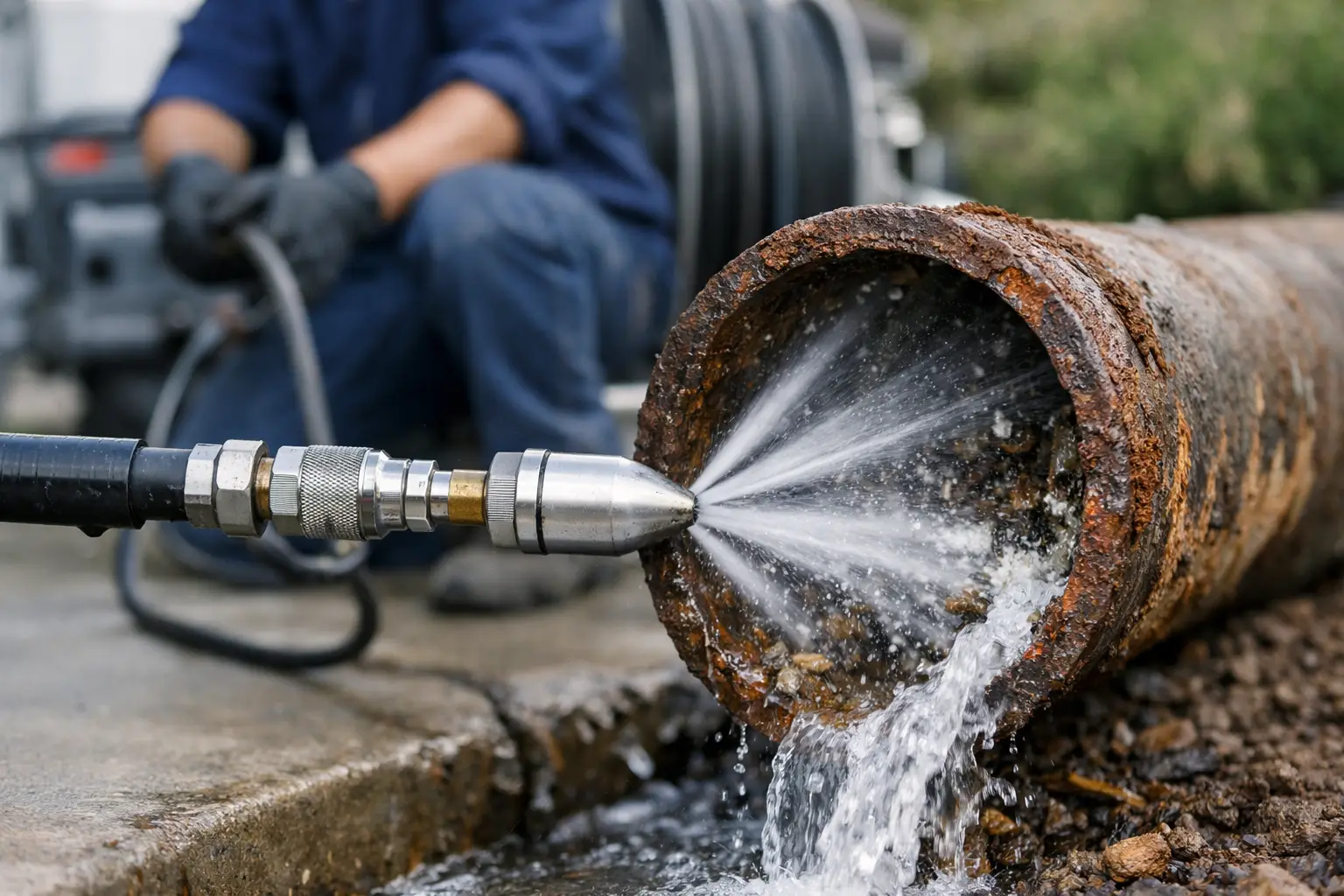
A slow drain in an older home always raises the same question – clear it fast, or risk damaging the pipe trying. If you have aging plumbing, it makes sense to ask, is hydro jetting safe for old pipes? The honest answer is yes, sometimes. But it depends on the pipe material, the condition of the line, and whether the system has been properly inspected before any jetting begins.
Hydro jetting is one of the most effective ways to remove grease, sludge, roots, and heavy buildup from a drain or sewer line. It uses pressurized water to clean the inside of the pipe wall, not just punch a hole through the clog. That makes it a strong solution for recurring backups. It also means the line needs to be evaluated the right way first, especially in older properties.
Is hydro jetting safe for old pipes in every case?
No, not in every case. Old pipes are not all the same, and age by itself does not automatically rule out hydro jetting. A 50-year-old cast iron line with scale buildup but solid structure may handle professional jetting well. A badly deteriorated Orangeburg line or a cracked clay pipe may not.
This is where experience matters. The real question is not just how old the pipe is. It is whether the pipe is still structurally sound enough for the pressure needed to clean it properly. If the line is stable, hydro jetting can actually be one of the best ways to restore flow and remove years of buildup. If the line is already failing, jetting can expose that weakness quickly.
That is why a reputable drain specialist does not treat every old line the same. The job starts with diagnosis, not guesswork.
What makes an old pipe safe or unsafe for hydro jetting?
The biggest factors are material, condition, and existing damage.
Older cast iron pipes often develop heavy internal scale. That rough, narrowed interior catches waste and toilet paper, leading to repeat clogs. In many cases, hydro jetting or descaling can remove the buildup and buy the line more usable life. But if the cast iron is flaking apart, heavily channel-rotted, or close to collapse, high-pressure cleaning may not be the right first move.
Clay sewer lines can also be jet-cleaned in some situations, but they are more vulnerable if there are separated joints, cracks, or root intrusion. The water itself does not usually “cause” the problem. What happens is the cleaning process reveals a line that was already compromised.
Orangeburg is a different story. This material is known for deforming and deteriorating over time. If a line is soft, blistered, or misshapen, hydro jetting may be too aggressive for it. The same caution applies to any old pipe with known bellies, breaks, or partial collapse.
Even with PVC, age is only part of the story. A newer repair tied into an older system still needs to be checked as a whole. One weak section can change the best approach.
Why a sewer camera inspection matters first
If you want the shortest answer to is hydro jetting safe for old pipes, here it is: it is only safe when the line has been verified first.
A sewer camera inspection shows what is happening inside the pipe before pressure is introduced. It can reveal cracks, root masses, offset joints, corrosion, standing water, and collapsed sections. It also helps confirm what kind of blockage is actually in the line. Grease, sludge, scale, and roots each behave differently, and that affects the cleaning method.
Without a camera inspection, hydro jetting an older line is more of a gamble. With a camera, the decision is based on actual conditions. That protects the property owner and leads to a cleaner, more accurate recommendation.
At Titan Jetters, this is the difference between doing a job fast and doing it right. A line should be evaluated, the customer should be shown what is going on, and the cleaning method should match the condition of the pipe.
When hydro jetting is a good option for older plumbing
Hydro jetting can be an excellent choice when the pipe is structurally sound but badly restricted by buildup.
This is common in older kitchen lines with grease accumulation, cast iron drains with scale, and sewer lines where years of sludge have narrowed the opening. In those situations, snaking may restore temporary flow, but it often leaves most of the debris behind. The problem comes back because the pipe wall is still coated.
Jetting cleans much more thoroughly. Instead of poking a path through the clog, it removes the material clinging to the pipe interior. For homeowners and property managers dealing with repeat backups, that can mean fewer service calls and more reliable drainage.
It is also useful in commercial properties where grease and waste load are heavier. Again, the line still needs to be sound. But when it is, hydro jetting can deliver a deeper clean than many other methods.
When hydro jetting may not be the right call
There are times when hydro jetting should be delayed or avoided.
If the camera shows a collapsed section, severe cracking, major joint separation, or a pipe material known to be unstable, forcing water through the line may create more trouble than it solves. In those cases, the smarter move may be targeted cleaning, a different restoration method, or repair of the damaged section before any full jetting is considered.
There is also a difference between a line that is clogged and a line that is broken. If a pipe is no longer holding its shape, cleaning alone will not fix the real issue. That is why honest diagnosis matters so much. Nobody benefits from blasting a line that should have been flagged for repair.
Professional hydro jetting is not the same as “high pressure”
One reason hydro jetting gets a bad reputation with old pipes is that people picture one pressure setting used on every job. That is not how professional jetting should work.
Proper hydro jetting involves choosing the right hose, nozzle, flow rate, and pressure for the pipe size and condition. An experienced technician adjusts the approach based on what the camera shows and what the line can realistically handle. The goal is to clean the pipe effectively, not use maximum force just because the machine can.
That distinction matters a lot in older homes. Controlled, informed jetting is very different from aggressive cleaning without diagnostics. The equipment is powerful, but the result depends on the operator.
Signs your older pipe should be evaluated before jetting
If you have recurring backups, gurgling drains, slow fixtures throughout the house, sewage odors, or a history of root intrusion, your line should be inspected before any major cleaning decision is made. The same goes for homes with older cast iron, clay, or Orangeburg sewer lines, especially if no camera inspection has been done in years.
For many Northern Virginia property owners, this comes up after moving into an older home or taking over a rental with an unclear plumbing history. A thorough inspection gives you a real picture of the system instead of another temporary fix.
The bottom line on old pipes and hydro jetting
So, is hydro jetting safe for old pipes? It can be very safe and very effective when the pipe is in serviceable condition and the work starts with a proper camera inspection. It is not a one-size-fits-all answer, and any company that treats it that way is skipping the most important step.
Old pipes do not automatically mean fragile pipes. Some just need a professional cleaning to get back to full flow. Others are already damaged and need a different plan. The only reliable way to know the difference is to inspect the line, explain the findings clearly, and choose the method that fits the actual condition of the system.
If your drains keep backing up and the home has older plumbing, do not settle for a guess. Get the line checked, get a straight answer, and make the next move based on what is really in the pipe.
