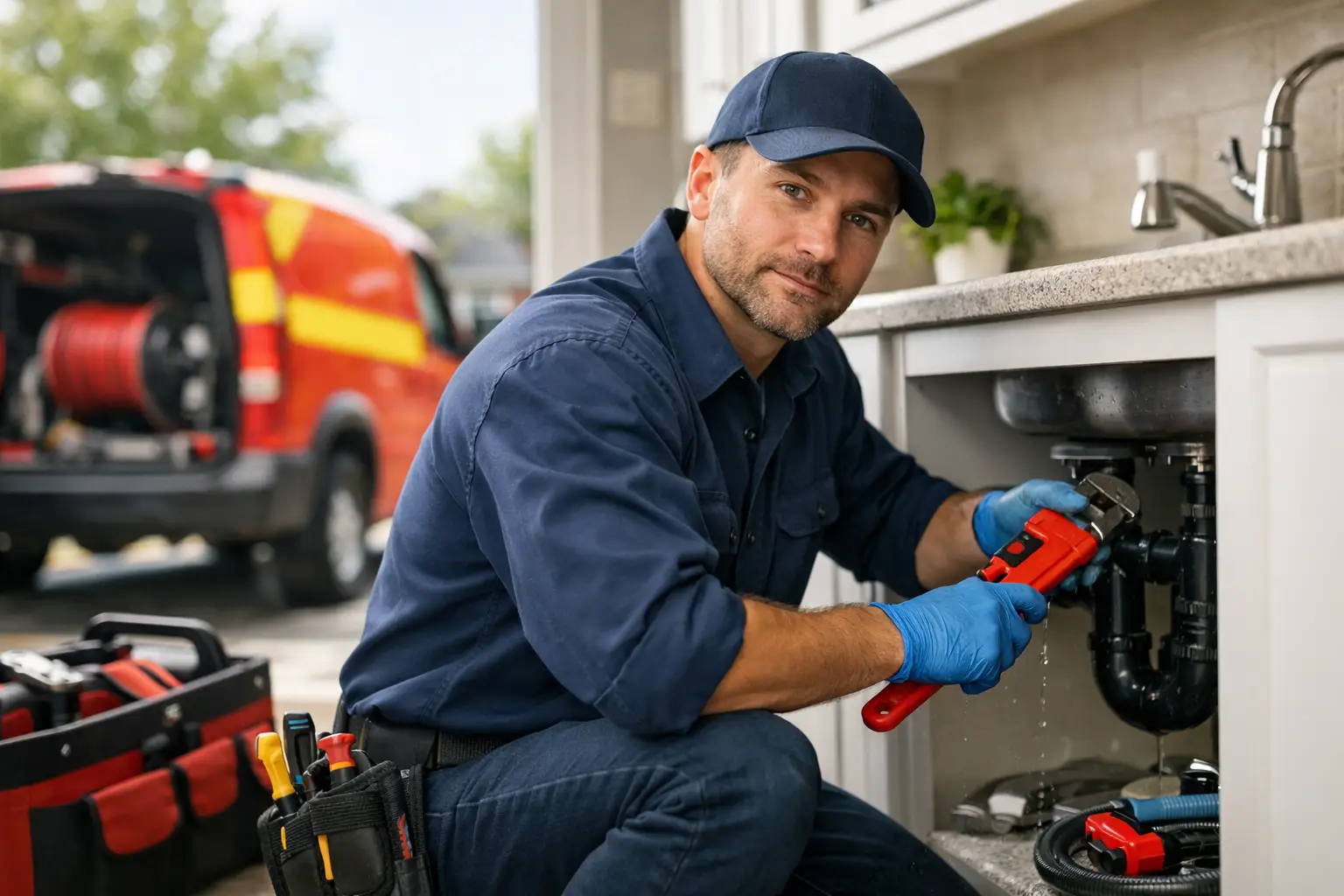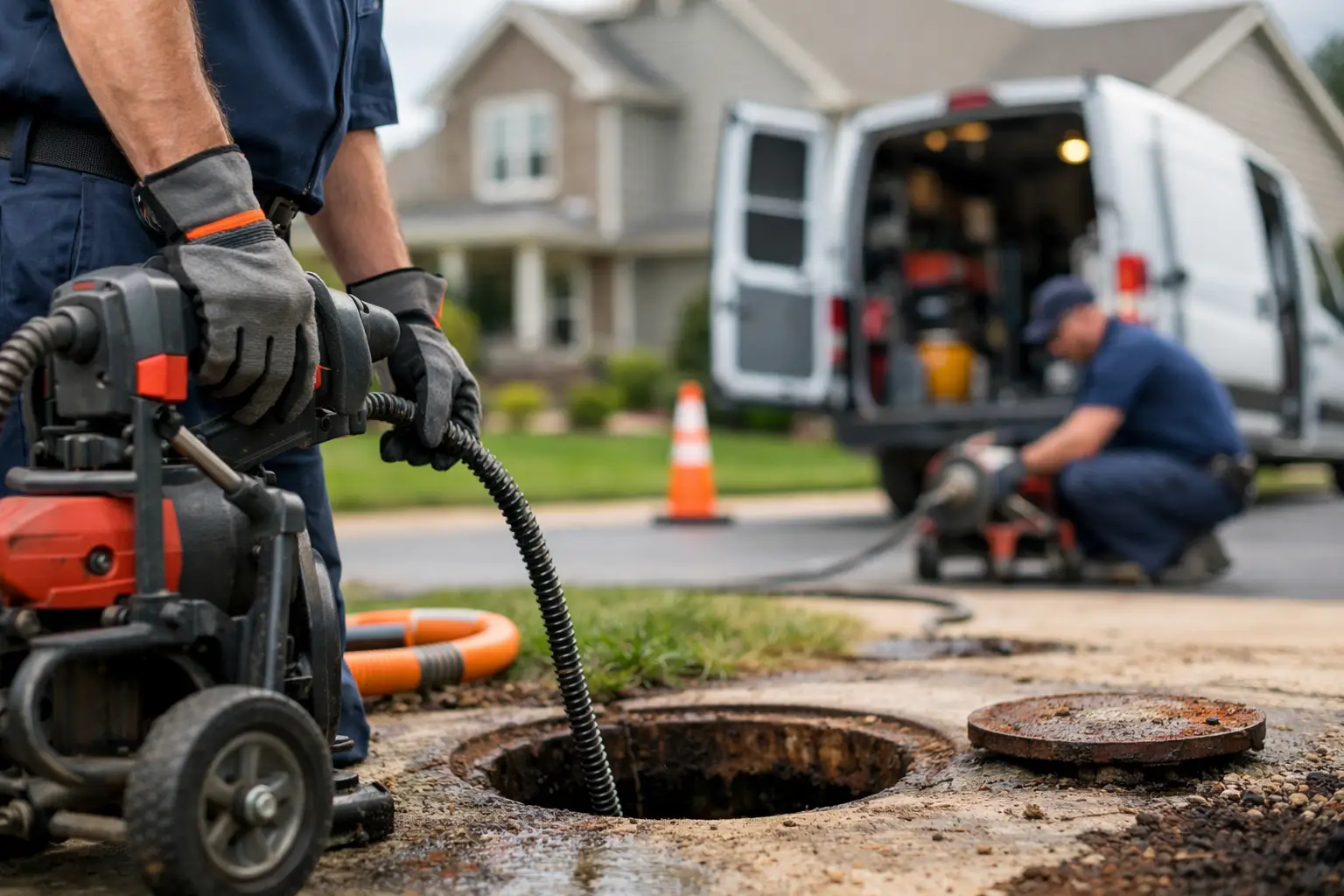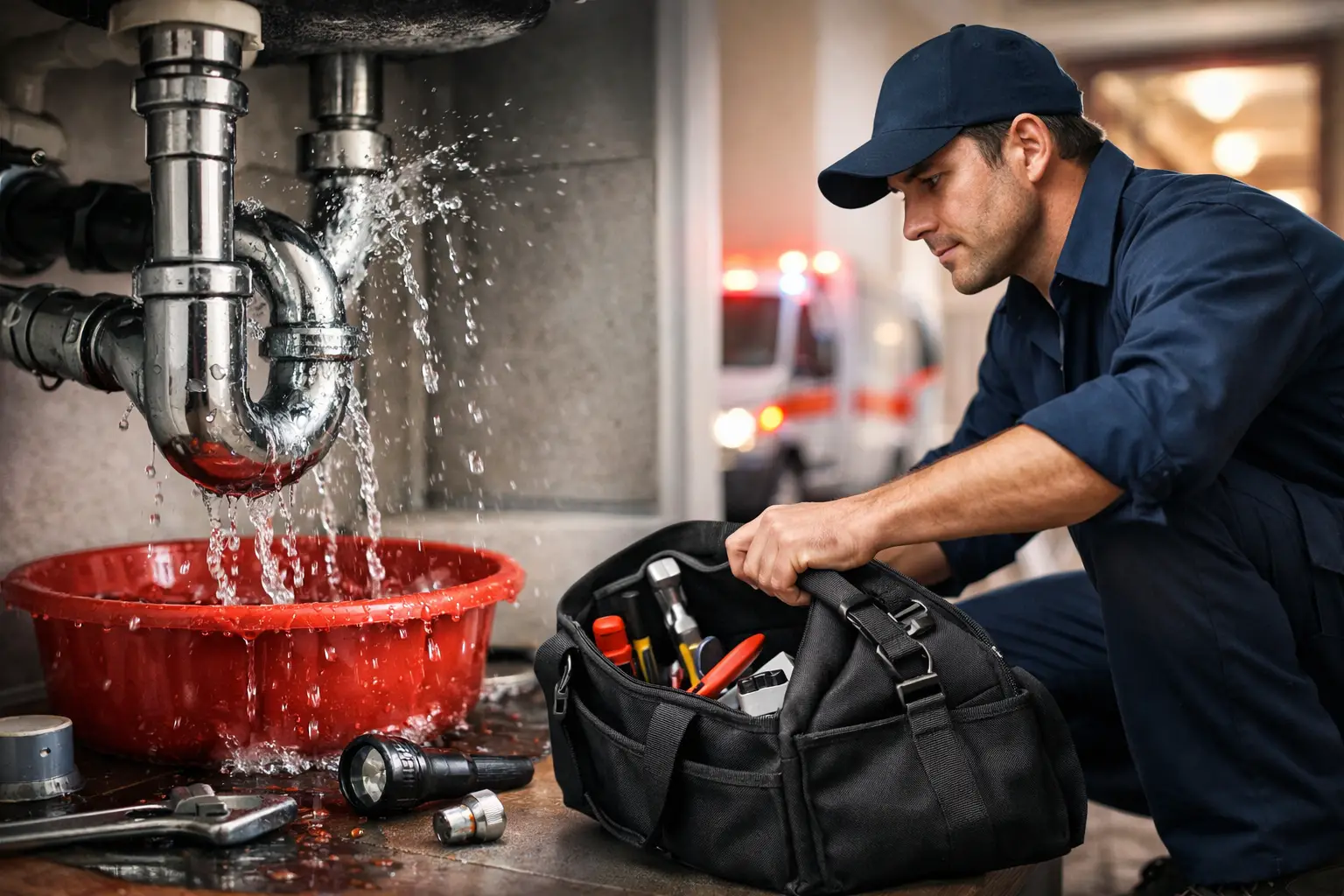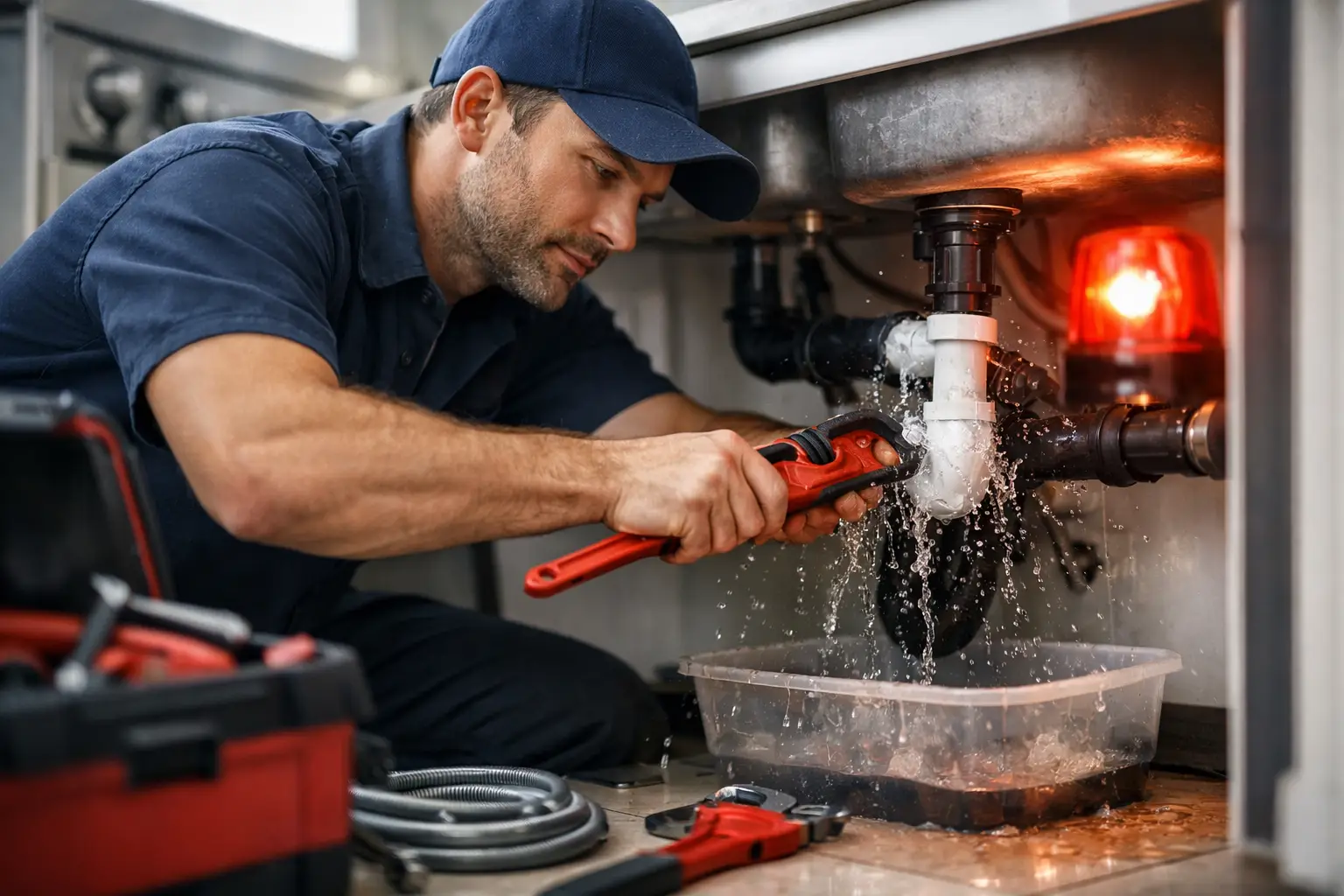
A drain backing up at 6:30 in the morning does not care about your schedule. Neither does a sewer line issue in the middle of dinner service or a water heater problem right before guests arrive. When you need emergency plumbing repair, the first goal is obvious – stop the immediate damage. The second goal matters just as much: make sure the problem is diagnosed correctly so it does not come right back.
That is where a lot of emergency calls go wrong. The water gets removed, the fixture starts draining again, and everyone wants to move on. But an emergency is often a symptom, not the whole problem. A recurring backup, a heavy blockage, scale buildup in older lines, or a damaged section of pipe can all create the same stressful moment. If the response only treats what is visible, the relief may be short-lived.
What emergency plumbing repair should actually accomplish
Fast response matters. So does clean work, clear communication, and getting your home or property usable again. But good emergency plumbing repair should do more than patch the scene. It should answer three basic questions: what failed, why it failed, and what solution will hold up.
For drain and sewer emergencies, that often means using the right equipment from the start. A simple clog in a branch line is one thing. A main line blockage, grease-packed kitchen drain, scaled cast iron pipe, or root intrusion is another. Those are not all solved the same way, and pretending they are usually leads to repeat calls.
This is where professional diagnostics make a real difference. A sewer camera inspection can show whether the line is clear, partially blocked, cracked, shifted, or holding standing water. Hydro jetting can remove heavy buildup that a basic cable might only punch through. Flex-shaft cleaning can help restore pipe walls when scale and sludge have narrowed the line over time. In an emergency, speed matters, but accuracy matters just behind it.
When a plumbing issue is truly an emergency
Some problems are clearly urgent. Wastewater backing up into a tub or floor drain is an emergency. Water leaking where it can damage flooring, drywall, or electrical areas is an emergency. A commercial restroom that is out of service during business hours is not something to put off until next week.
Other situations are more situational. A sink draining slowly may not be an emergency at first, but if that sink is the one kitchen line serving a busy household or tenant property, the problem can escalate quickly. The same is true for a recurring toilet backup. One isolated incident may be manageable. A pattern points to a larger issue in the line.
For homeowners and property managers, the real test is impact. If the problem is actively causing damage, creating a health concern, shutting down essential plumbing, or likely to worsen fast, it has crossed into emergency territory.
The most common causes behind emergency plumbing repair
Not every emergency starts with broken pipe. In many homes and buildings, the bigger culprit is restriction inside the line. Grease, wipes, paper buildup, sludge, and mineral scale can narrow the passage until normal use pushes the system over the edge.
Older properties bring their own challenges. Cast iron drain lines can build up heavy internal scale that catches waste and slows flow. Over time, that turns occasional sluggish draining into repeated backups. In those cases, clearing the immediate stoppage may restore service for the day, but the underlying condition is still there.
Sewer line problems can also trigger sudden emergencies. Root intrusion, bellied sections, separated joints, or damaged pipe walls may allow repeated blockages no matter how many times the line is snaked. This is why a verified diagnosis matters. If you cannot see what is happening inside the line, you are still making decisions with part of the picture missing.
Commercial properties often deal with a different version of the same problem. Kitchen lines can load up with grease. Restroom lines may see misuse and heavy paper volume. Floor drains and branch lines can collect debris gradually until one busy day pushes them into failure. The emergency may feel sudden, but the buildup has usually been developing for a while.
Why the right emergency plumbing repair method depends on the line
There is no single tool that fits every emergency, and that is a good thing. The right method depends on what the line is made of, what is inside it, how severe the blockage is, and whether the issue is isolated or part of a larger failure.
A basic mechanical clearing method can be enough when a localized blockage needs to be opened fast. But if the line is coated in grease or scale, that may only create a hole through the center of the obstruction. Water flows for now, but the walls of the pipe are still loaded with material waiting to catch the next round of waste.
Hydro jetting is often the better answer for heavy buildup because it cleans the line more completely, not just enough to create temporary flow. Descaling can be the right call in older cast iron systems where rough buildup has narrowed the pipe. A camera inspection confirms what is there before and after the work, which gives the property owner something more useful than guesswork – proof.
That does not mean every emergency needs the most aggressive service. Sometimes the best response is the one that stabilizes the issue quickly and then maps out the next right step once conditions are under control. The key is honesty. A contractor should explain what they found, what they were able to correct that day, and whether the line is truly restored or just functioning for the moment.
What a good emergency plumbing repair visit looks like
The best emergency service feels organized even when the situation is chaotic. The technician arrives ready to assess the problem, protect the area, and communicate clearly. You should know what they are checking, what they are seeing, and what options make sense based on the actual condition of the plumbing.
That communication matters more than people realize. During a stressful backup or leak, most customers are not looking for a long technical lecture. They want a straight answer in plain language. Is this a simple blockage or a sign of pipe damage? Is the line fully clear or only partially restored? Is there evidence this will happen again?
Clean execution also matters. Emergency work should not create a second mess. Respect for the home or property, careful handling of wastewater issues, and leaving the work area in good shape all build trust when the pressure is already high.
For customers in Northern Virginia, especially in areas with a mix of older homes and busy commercial properties, this practical approach matters. Conditions vary from one neighborhood to the next. A response built around camera diagnostics and proper line cleaning is often the difference between getting through one bad day and solving a problem that has been building for months.
Emergency plumbing repair and the cost of waiting
Not every urgent plumbing issue explodes all at once. Some fail by inches. A partially blocked main line becomes a full backup after one more load of laundry. A slow floor drain becomes standing wastewater after a busy weekend. A neglected sewer issue starts affecting multiple fixtures instead of just one.
Waiting can also make diagnosis harder. Once the line is completely overwhelmed, symptoms spread. Toilets, tubs, floor drains, and sinks may all start behaving badly at the same time. At that point, the original clue gets buried under the broader failure.
There is also the property damage side. Water and wastewater do not need much time to damage flooring, baseboards, drywall, and stored items. In commercial spaces, downtime carries its own cost. Even when the plumbing issue started small, the effect of delay rarely stays small for long.
Choosing a company for emergency plumbing repair
When you are dealing with an emergency, you are not just hiring someone to show up fast. You are hiring someone to make the right call under pressure. That means experience with drain and sewer diagnostics, not just surface-level symptom relief.
Look for a company that explains the issue clearly, uses professional-grade equipment, and verifies the result whenever possible. That last part matters. If a line was severely blocked, cleaned, or inspected, you should be told what was found and what condition the system is in now.
It also helps to work with a team that treats urgency and professionalism as part of the same job. Fast response should not come with rushed communication or sloppy work. The strongest service calls are the ones where the customer feels informed, respected, and confident that the problem was handled the right way.
Titan Jetters serves homeowners and property owners who need that kind of response – fast when it has to be, thorough where it counts, and focused on real results.
Plumbing emergencies are stressful enough without guessing your way through them. The right response is not just about getting water to move again. It is about knowing why the problem happened, fixing what can be fixed now, and making sure the next flush, drain, or busy workday does not put you right back where you started.