
A sewer problem rarely starts with a dramatic backup. More often, it starts with a toilet that bubbles when the washing machine drains, a shower that stays slow after cleaning, or a drain clog that keeps coming back. When those symptoms point to the main line, Haymarket sewer repair options should begin with finding the actual condition inside the pipe – not guessing from the fixture that happens to be draining poorly.
The right solution may be a professional cleaning that restores flow, a targeted sewer line repair, or further diagnostics to confirm the extent of the issue. The difference matters. Cleaning a line with a break, root intrusion, or severe deterioration may provide temporary relief, but it will not correct the underlying problem. On the other hand, repairing a line that is simply packed with buildup can create unnecessary cost and disruption.
Start With a Sewer Camera Inspection
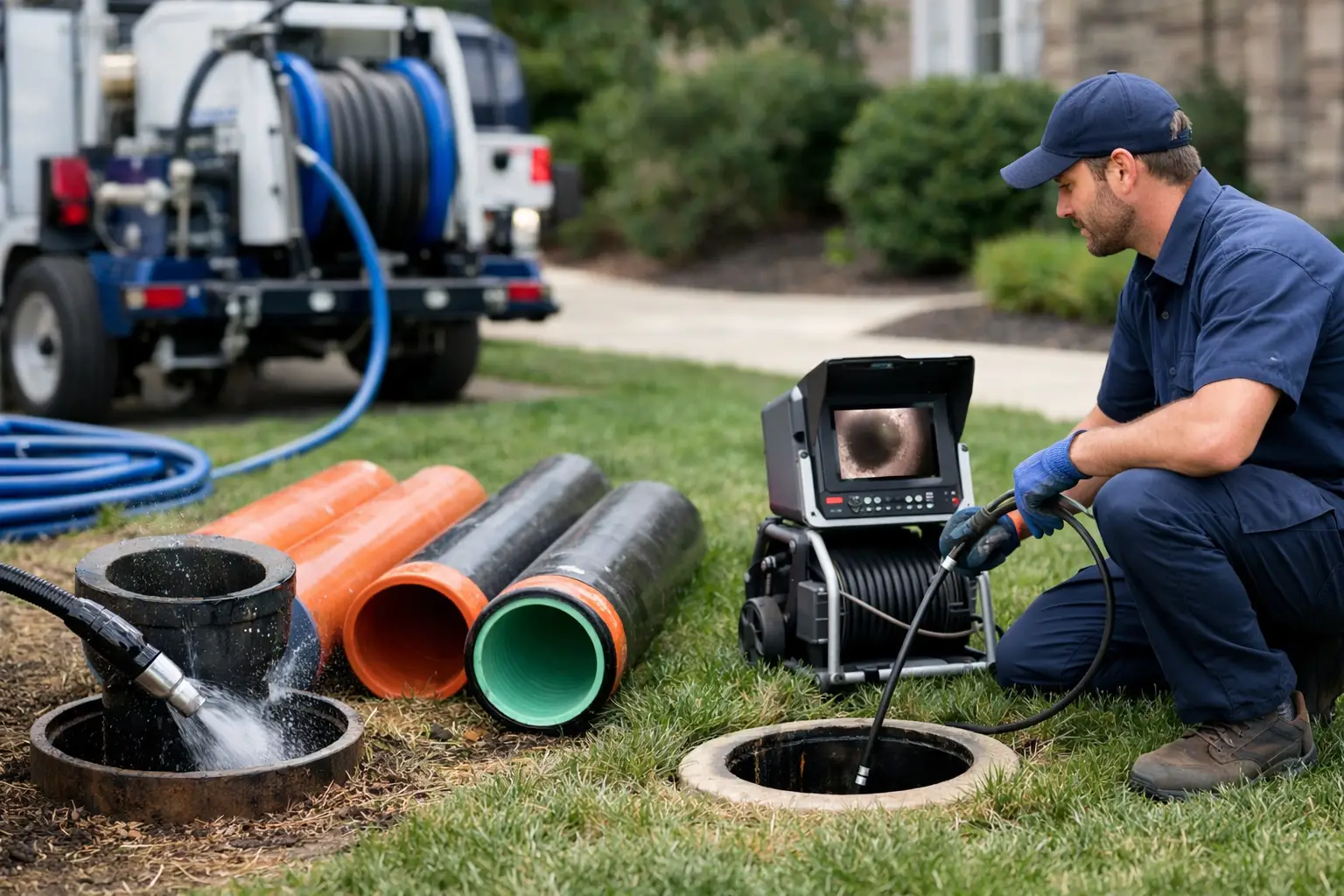
A sewer camera inspection gives homeowners, landlords, and property managers a direct view of the line. A technician sends a specialized camera through the sewer pipe to identify what is blocking flow and where the trouble is located. This is the step that turns a frustrating drainage problem into a clear repair decision.
The inspection may show a heavy buildup of grease, wipes, sludge, scale, or other debris. It may also reveal roots entering through a joint, a belly where the pipe holds standing water, a crack, a separated connection, or damaged pipe material. Each condition calls for a different response.
A camera inspection is especially valuable when the issue is recurring. If the main line was cleared recently but backups return, there is usually more to the story than an ordinary clog. Seeing the inside of the pipe helps prevent repeated service calls for a problem that needs a more lasting correction.
When Professional Cleaning Is the Right First Option
Not every main sewer line issue requires repair. In many cases, the pipe itself is intact but narrowed by material that has built up over time. Kitchen grease, soap residue, mineral scale, paper products, and debris can reduce the usable opening inside the line until normal household use causes backups.
For these conditions, professional drain cleaning may be the most practical option. The goal is not simply to poke a small opening through the blockage. A proper cleaning should remove as much of the obstruction as the line condition allows and restore reliable flow.
Hydro Jetting for Heavy Buildup
Hydro jetting uses controlled high-pressure water to break up and flush away buildup from the pipe walls. It can be a strong option for grease, sludge, recurring debris, and certain root-related blockages when the pipe condition is appropriate for the service.
Hydro jetting is not a one-size-fits-all answer. Before using high-pressure cleaning, the condition of the line matters. A camera inspection helps determine whether the pipe can be cleaned safely and whether buildup is the true cause of the problem. For a restaurant, rental property, or home with recurring main line clogs, thorough cleaning can reduce downtime and help prevent the same blockage from returning right away.
Descaling for Rough Interior Pipe Walls
Older metal piping can develop hard scale on the interior walls. That scale makes the inside of the pipe rougher and narrower, giving debris more places to catch. A cable may open a path through the line, but it may not remove the scale that is causing frequent snags.
Pipe descaling is designed to address that hard internal buildup. It is often considered when camera footage shows that the line is restricted by scale rather than a single soft clog. The best approach depends on the pipe material, its overall condition, and what the inspection shows after the line is accessed.
Haymarket Sewer Repair Options for Damaged Lines
When the camera shows physical damage, cleaning alone is not a repair. A crack, separated joint, offset section, collapsed area, or persistent root entry point can keep causing trouble even after the line is cleared. In that situation, the focus shifts from restoring immediate flow to correcting the damaged area.
A targeted sewer repair can make sense when the problem is isolated to a known section of pipe. The location of the defect, pipe depth, access conditions, and surrounding utilities all affect the repair plan. A line under a landscaped yard presents different considerations than a line beneath a driveway or near a commercial building.
Root intrusion is one of the more common reasons a sewer line needs attention. Roots seek moisture and can enter through small openings at joints or damaged areas. Removing the roots may improve flow, but the opening that allowed them in remains a concern. A camera inspection after cleaning helps show whether the pipe can be monitored, needs a repair, or has broader damage that requires a larger conversation.
A sagging section, often called a belly, is another issue that needs an honest assessment. Water and solids can collect in the low spot, creating repeated blockages. Cleaning may improve drainage for a time, but it does not change the pipe’s slope. The practical option depends on how severe the belly is, how often it causes backups, and whether the property is experiencing active damage or just occasional slow flow.
Signs You Should Not Wait on a Sewer Evaluation
A single slow sink can be a local drain issue. Several fixtures draining slowly at the same time usually deserve more attention. Main sewer problems can become messy quickly, especially when wastewater begins coming up at the lowest fixture in the home, such as a basement drain, shower, or first-floor tub.
Call for professional sewer diagnostics when you notice repeated toilet clogs, gurgling sounds from drains, sewage odors, water backing up into a tub or shower, or multiple drains failing together. Property managers and business owners should also act quickly when restrooms, kitchens, or floor drains are affecting daily operations. Waiting can increase cleanup needs, disrupt tenants or customers, and allow a manageable line problem to become an emergency.
It also helps to distinguish a main line issue from a branch drain issue. If one bathroom sink is slow while everything else drains normally, the blockage may be limited to that fixture’s drain. If flushing a toilet causes another drain to gurgle or back up, the main sewer line becomes more likely. A professional inspection removes the uncertainty.
How to Choose Between Cleaning and Repair
The best choice comes down to three questions: What is inside the pipe, what condition is the pipe in, and what is causing the problem to return? Those answers should come from a clear diagnostic process, not a vague recommendation.
Cleaning is often the sensible first choice when the pipe is structurally sound and the restriction is caused by grease, debris, roots that can be removed, or mineral buildup. Repair becomes more appropriate when there is a defect that continues to catch debris, admit roots, restrict flow, or allow wastewater to escape.
There are also middle-ground situations. A line may be cleaned to restore service now, then monitored with camera footage to help the owner plan for a future repair. That can be reasonable when the damage is limited, the line is flowing after service, and there is no active backup or immediate property risk. It is not the right call when sewage is backing up repeatedly or the pipe has a severe failure.
Ask for an explanation of the camera findings in plain language. You should understand whether the recommendation is based on buildup, roots, scale, pipe damage, or a combination of issues. You should also know what the proposed work is expected to address and what risk may remain afterward.
Get a Clear Answer Before the Backup Gets Worse
Sewer work should not feel like a guess. Titan Jetters helps Haymarket property owners identify the source of recurring drain and sewer problems with professional camera inspections, line cleaning, hydro jetting, descaling, and sewer diagnostics. The goal is straightforward: show you what is happening in the line, explain the practical options, and do the work needed to get your property flowing properly.
If drains are backing up, gurgling, or repeatedly clogging, book service before the issue turns into wastewater inside the property. A clear diagnosis now can save you from another temporary fix later.
