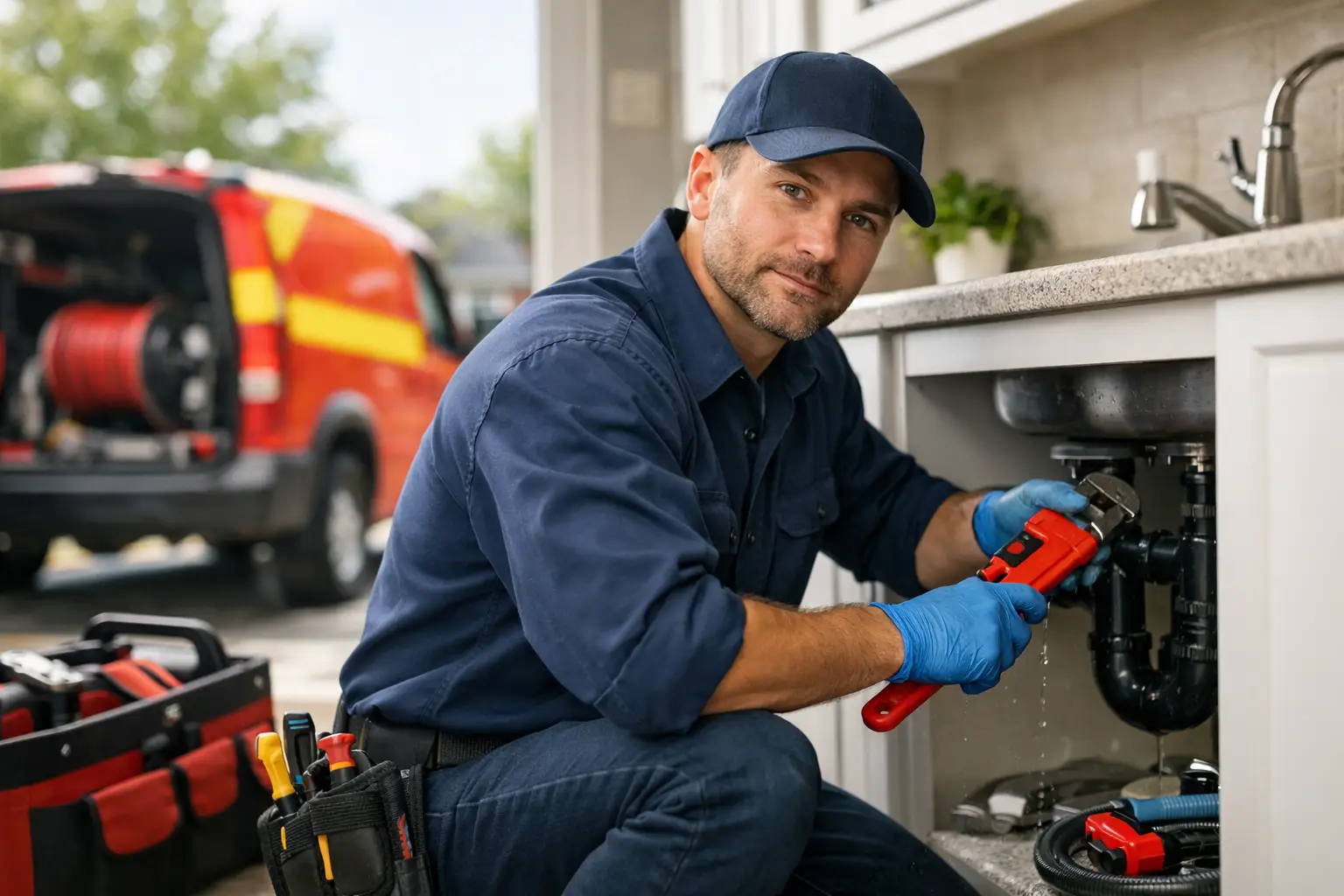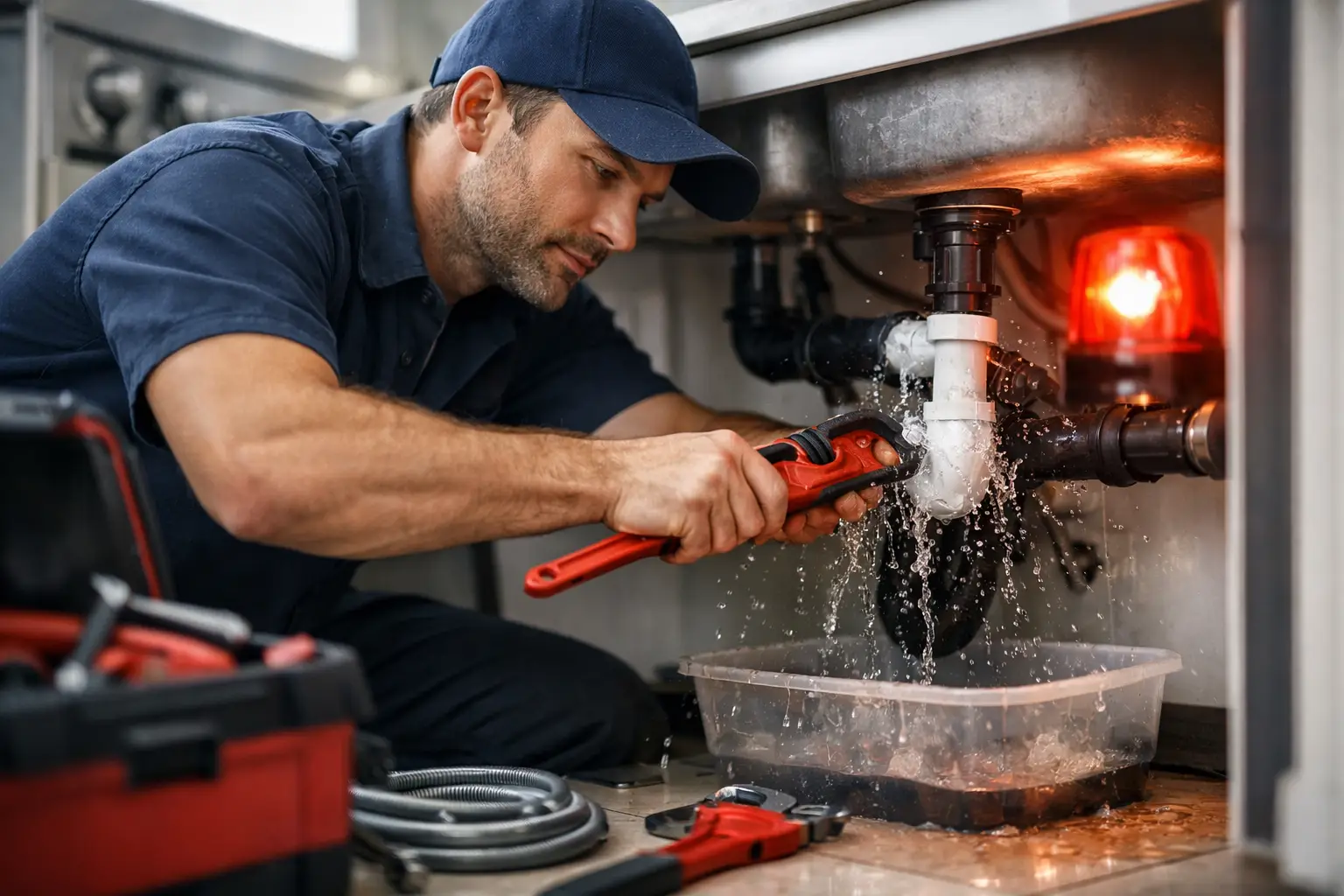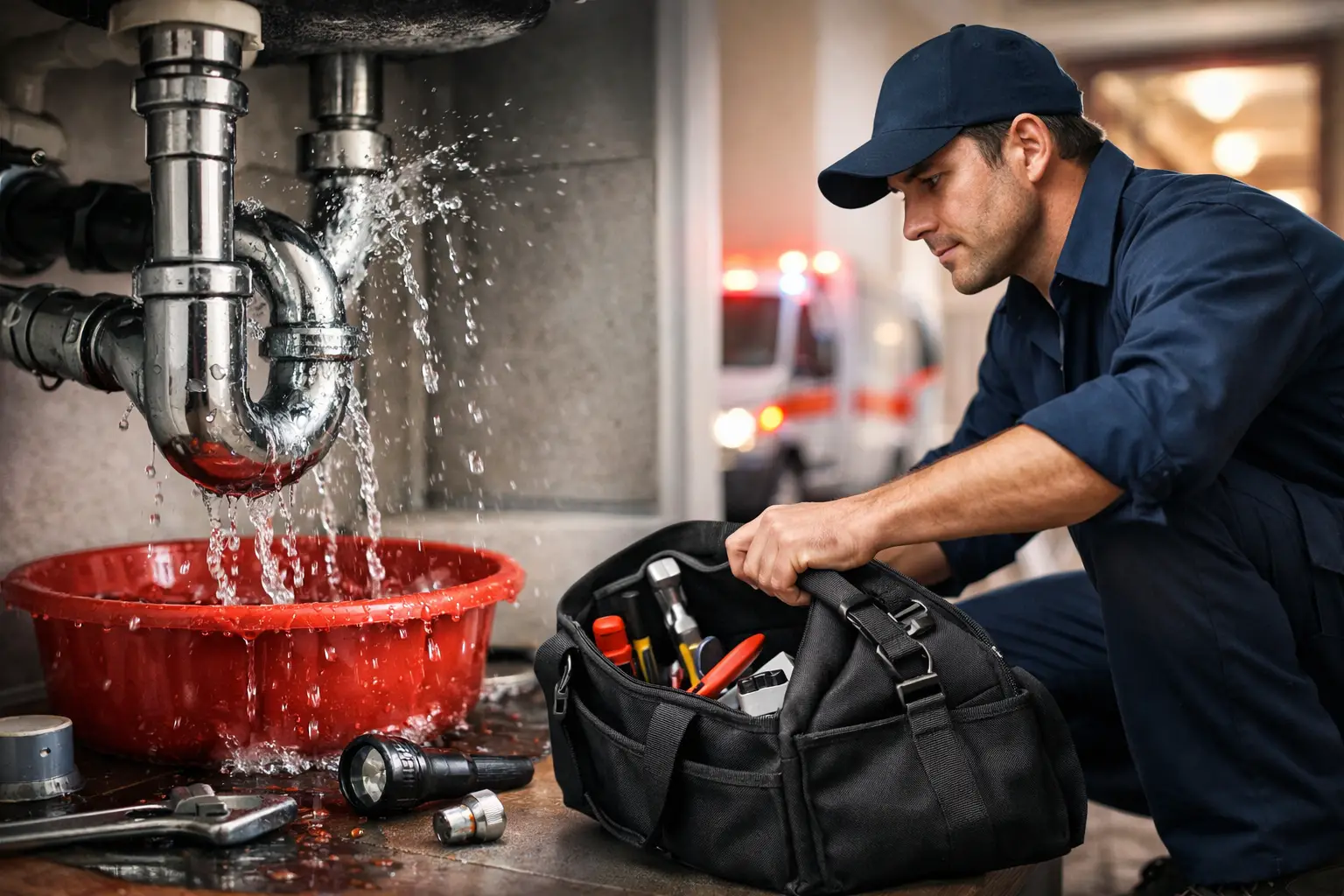
A toilet starts bubbling when nobody is using it. A floor drain backs up during dinner rush. Water shows up where it should never be – under the water heater, behind a wall, across the basement floor. That is the moment an emergency plumber stops being a line item on a to-do list and becomes the call that protects your home, your time, and your sanity.
Some plumbing problems are inconvenient. Others can damage flooring, drywall, cabinets, and anything stored nearby in a matter of hours. The hard part for most property owners is knowing the difference. If you are dealing with an active backup, leaking water you cannot contain, sewage odors with visible drainage issues, or a fixture that is suddenly unusable when the property depends on it, waiting usually makes the job bigger.
What counts as an emergency plumber call?
An emergency plumber is not just for dramatic pipe bursts. In real homes and businesses, emergencies are often less flashy and more disruptive. A main drain backup, a sewer line blockage, an overflowing toilet that will not stop, or a water heater leak can all qualify because they affect safety, sanitation, and the ability to use the property normally.
The question is not whether the issue looks serious from across the room. The question is whether water or waste is moving where it should not, whether the problem is getting worse, and whether delaying service raises the risk of property damage. A slow sink in a guest bathroom may wait a day or two. A sewage backup into a shower or basement usually should not.
For commercial properties, the threshold is often even lower. A blocked restroom, a kitchen line loaded with grease, or a drain problem that interrupts operations can turn into lost business fast. In those cases, urgent service is about limiting downtime as much as protecting the building.
Signs you should call an emergency plumber right away
Some warning signs are easy to dismiss because they start small. Gurgling drains, repeated toilet backups, standing water around a floor drain, or water backing up in one fixture when you use another often point to a deeper line problem. These are not random quirks. They can be early signs of a blockage in the branch line or main sewer line.
Active leaking is another clear trigger, especially if the source is hidden, spreading, or near finished surfaces. Water has a way of traveling. What looks like a small ceiling stain can be tied to a larger issue above it, and what starts under a cabinet can reach flooring and subfloor before the day is over.
Then there are problems that are technically plumbing issues but really become sanitation issues. If wastewater is coming back into tubs, showers, or floor drains, the concern is not just inconvenience. It is contamination. That is the kind of situation where a quick response matters.
Backups, overflows, and recurring clogs
A single clogged sink can sometimes stay localized. A recurring clog that keeps returning after plunging or temporary clearing is different. That usually means the restriction was never fully removed, or the pipe condition itself is contributing to the problem.
This is where proper diagnosis matters. A drain line may be blocked by grease, wipes, roots, scale buildup, or deteriorated pipe material catching debris. Those are very different problems, and they do not all call for the same fix. Clearing the opening without addressing the cause is how you end up making the same urgent call again a week later.
Water heater trouble that cannot wait
Not every water heater issue is an emergency, but some are. If the tank is actively leaking, the unit is making unusual noise while showing signs of water around the base, or hot water loss is tied to visible leakage or pressure issues, that moves into urgent territory quickly.
Water heaters tend to fail on their own schedule, and when they do, they can release a lot of water in a short time. Acting early can reduce damage and help narrow the repair scope.
Why the right diagnosis matters in a plumbing emergency
Urgency is real, but speed without accuracy is not much help. In emergency plumbing, one of the biggest differences between a short-term patch and a lasting result is whether the technician verifies what is actually happening inside the line.
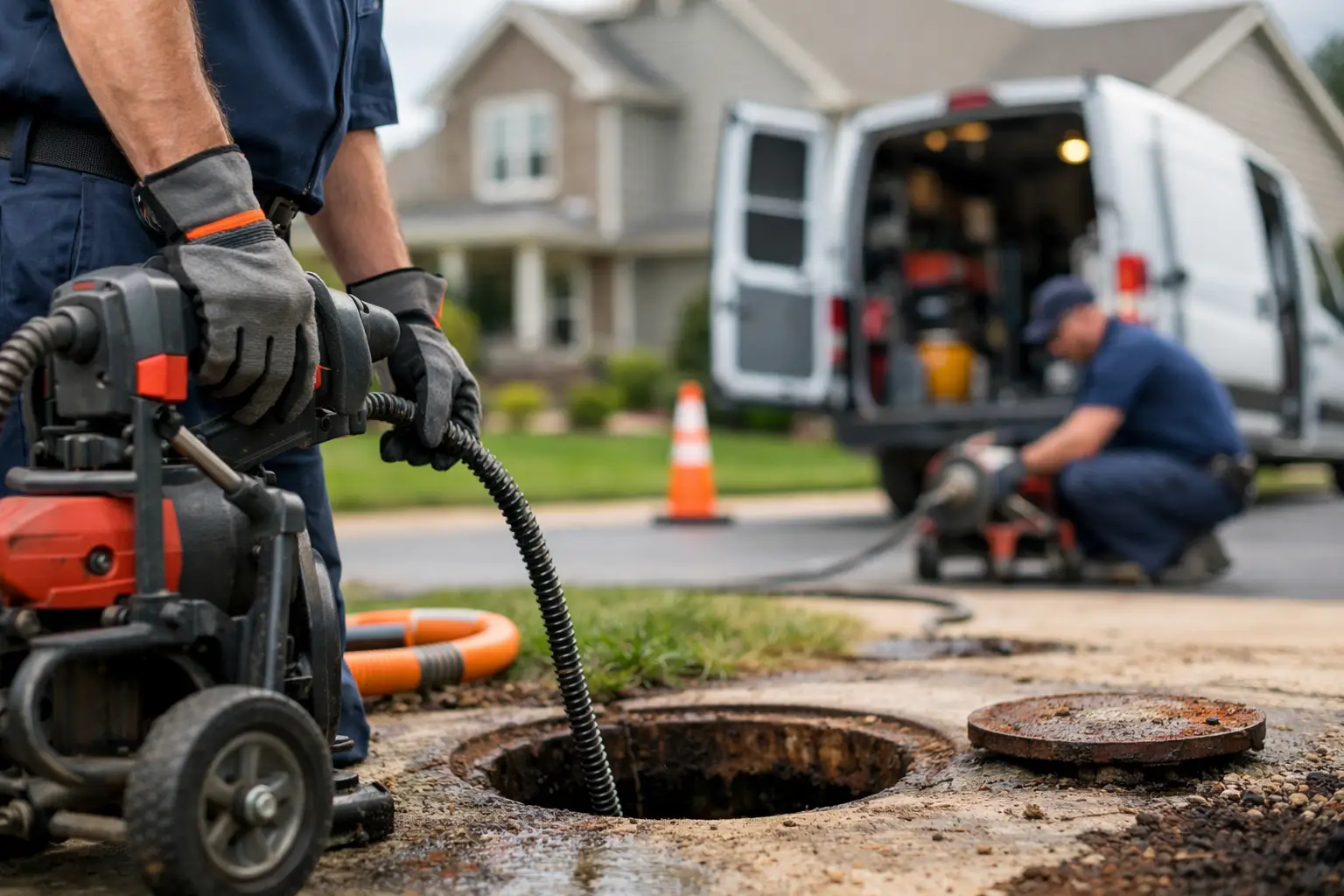
That matters most with drain and sewer issues. A backed-up line may need professional cable work, but if the pipe is scaled, packed with grease, or partially collapsed, the real answer may involve hydro jetting, descaling, or a camera inspection to confirm pipe condition and flow. Without that second step, the immediate symptom may be gone while the underlying restriction stays in place.
For homeowners and property managers, this is where trust gets built. You want someone who can explain the problem in plain language, show what is going on when needed, and give you clear options based on the line condition, not guesswork.
What to expect when an emergency plumber arrives
A professional emergency response should feel organized, not chaotic. First comes containment and safety. If water is actively leaking or backing up, the immediate goal is to stop the spread and stabilize the situation. After that, the focus shifts to diagnosis.
Good service is not just showing up fast. It is arriving prepared, identifying the source correctly, and choosing a repair or cleaning method that fits the actual issue. In many drain emergencies, that may include diagnostic equipment like a sewer camera to locate the blockage, check for root intrusion, or confirm whether the line is heavily scaled or damaged.
From there, the next step should be clear communication. You should understand what caused the issue, what has been done to resolve the immediate problem, and whether there is anything else that needs attention to prevent repeat failure. The best calls end with restored function and confidence, not unanswered questions.
Emergency plumber service vs. waiting until morning
There is no prize for toughing out a plumbing problem overnight if the damage is spreading. Still, not every issue needs after-hours service. It depends on risk.
If the leak is isolated, fully shut off, and not affecting the rest of the property, it may be reasonable to schedule prompt service the next day. If a drain is slow but still usable and there are no signs of backup elsewhere, that may also wait.
But if wastewater is coming up, if multiple fixtures are involved, if the only working bathroom is out of service, or if a commercial space cannot operate normally, the safer move is usually to call. Water damage and contamination do not improve with time.
Why specialized drain equipment changes the outcome
This is where experience in drain and sewer work makes a real difference. Emergency plumbing is not always about replacing parts. A large share of urgent calls involve blocked or restricted lines, and the tools used matter.
Hydro jetting can remove heavy grease, sludge, and debris from pipe walls far more thoroughly than a basic opening. Flex-shaft descaling can be the better fit when cast iron buildup is choking down the inside diameter of the pipe. A sewer camera inspection helps confirm that the line is actually clear and reveals whether roots, offsets, or damage are contributing to repeat backups.
That does not mean every emergency needs every tool. It means the best outcome usually comes from matching the method to the condition of the line. In Northern Virginia, where older piping and recurring sewer issues are common in some properties, that distinction matters.
Choosing an emergency plumber without adding more stress
When you are dealing with a backup or leak, you do not need a sales pitch. You need a company that answers the phone, shows up when promised, works clean, and explains the problem without talking around it.
Look for straightforward communication, licensed and insured workmanship, and a clear process for diagnosis. If the issue is in a drain or sewer line, it helps to work with a company that is set up for more than basic snaking. The ability to inspect the line and verify results is often what separates a temporary relief call from a real fix.
That is the approach at Titan Jetters – fast response, professional drain and sewer diagnostics, and clean execution built around getting the problem handled correctly the first time.
If you are ever stuck wondering whether to wait, use a simple test: if the problem threatens your property, your sanitation, or your ability to use the space normally, treat it like it matters now. Plumbing emergencies rarely get smaller on their own.