No hot water at 6:30 a.m. will get your attention fast. For most homeowners and property managers, water heater repair becomes urgent the moment showers go cold, a utility room starts dripping, or the unit begins making sounds it never made before.
The trouble is that many water heater problems start quietly. A little popping noise. Hot water that runs out sooner than usual. A rust-colored tint at one faucet. Those early warnings matter because a failing water heater rarely improves on its own. It usually gets less efficient, less reliable, and more likely to leak when you least need the disruption.
When water heater repair stops being optional
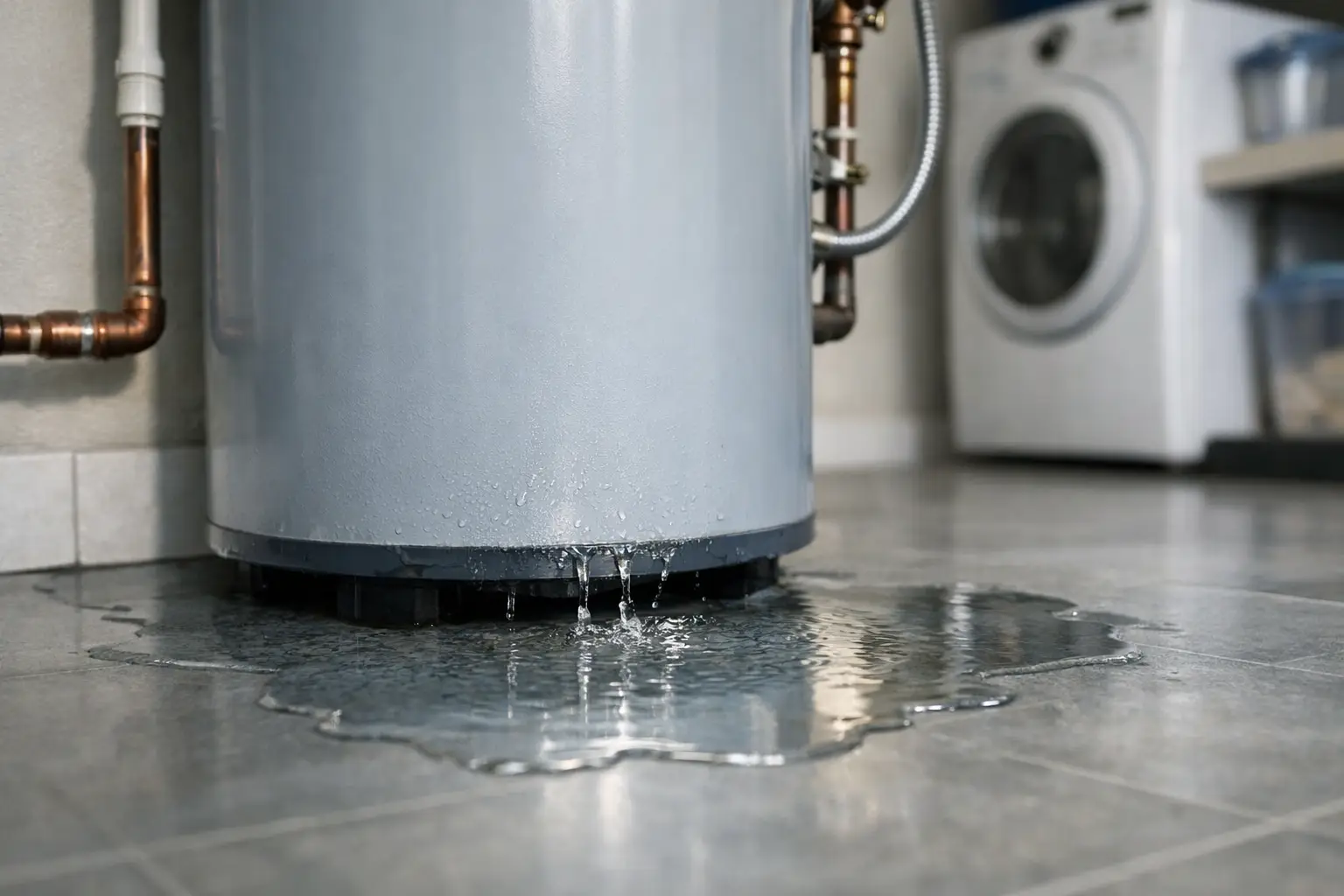
Some problems are obvious. If the tank is leaking onto the floor, if you have no hot water at all, or if the pilot will not stay lit, you are past the wait-and-see stage. Other issues are easier to brush off, but they still point to a system that needs professional attention.
One of the most common calls starts with inconsistent hot water. The water gets hot, then lukewarm, then hot again. In gas units, that can point to burner or thermostat issues. In electric models, it may mean one heating element has failed, so the unit is working at partial capacity. Either way, performance drops before the system quits completely.
Discolored hot water is another sign people often notice late. If only the hot side looks rusty, the problem may be inside the tank rather than in the home’s supply piping. That does not automatically mean replacement is required, but it does mean the unit should be inspected before corrosion gets worse.
Then there is noise. Rumbling, popping, and crackling usually come from sediment buildup. Northern Virginia homes can see mineral accumulation over time, especially in water heaters that have gone years without proper service. That sediment forces the unit to work harder, reduces heating efficiency, and can overheat the bottom of the tank. What starts as noise can end as a shortened system life.
Common causes behind water heater repair calls
Water heater systems are simple in concept, but failure points vary by unit type, age, and maintenance history. The right fix depends on accurate diagnosis, not guesswork.
Heating element and thermostat failures
Electric water heaters rely on upper and lower elements to heat the tank. If one fails, you may still get some hot water, just not enough. Thermostat problems can create similar symptoms, including water that is too hot, not hot enough, or inconsistent.
Gas units have their own set of issues, including ignition trouble, pilot problems, burner assembly wear, and venting concerns. These parts need to be checked carefully because the symptom you notice at the tap is not always the root cause at the heater.
Sediment buildup inside the tank
Sediment is one of the most common reasons a water heater starts underperforming. It settles at the bottom, acts as an insulating layer, and makes the burner or elements work harder to heat the water above it. Over time, that extra strain can damage components and reduce output.
This is one of those problems that sounds minor until it is not. In plumbing, buildup is a recurring theme. On drain and sewer jobs in places like Manassas and Gainesville, we often find that what starts as scale or grease becomes a full blockage later. Water heaters are similar. Delayed service usually means a bigger issue to solve.
Pressure problems and leaking connections
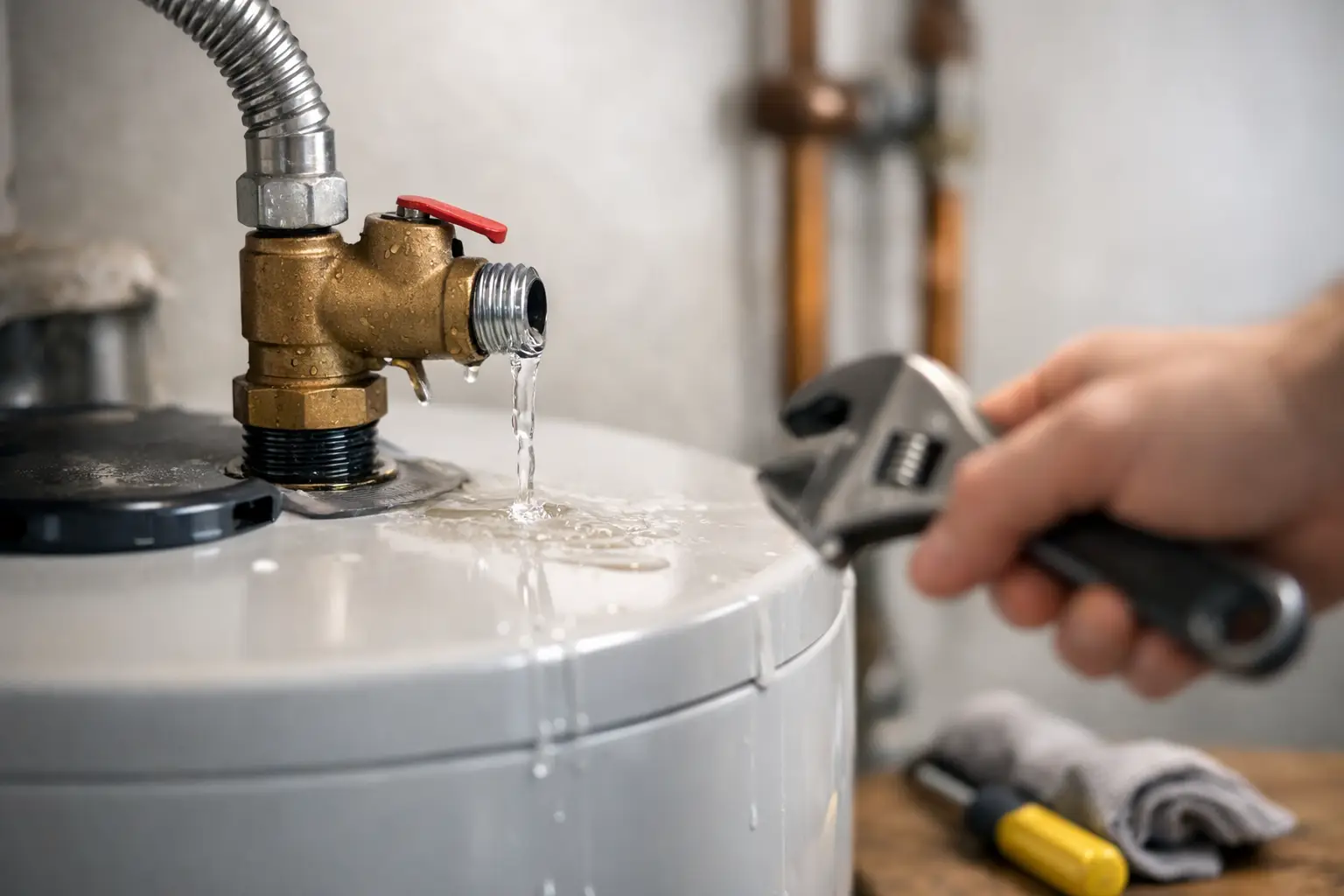
Not every leak means the tank itself has failed. Some leaks come from fittings, valves, or supply connections. A temperature and pressure relief valve may also discharge if pressure gets too high or if the valve is failing. That distinction matters because a repairable issue looks very different from a tank that is rusting through.
A trained inspection can quickly determine where the water is coming from and whether the system is safe to keep running. That kind of clarity matters when you are trying to avoid damage to flooring, drywall, or stored items nearby.
What a professional water heater repair visit should look like
A good service call should answer three questions fast. What failed, what are your options, and what can be done today.
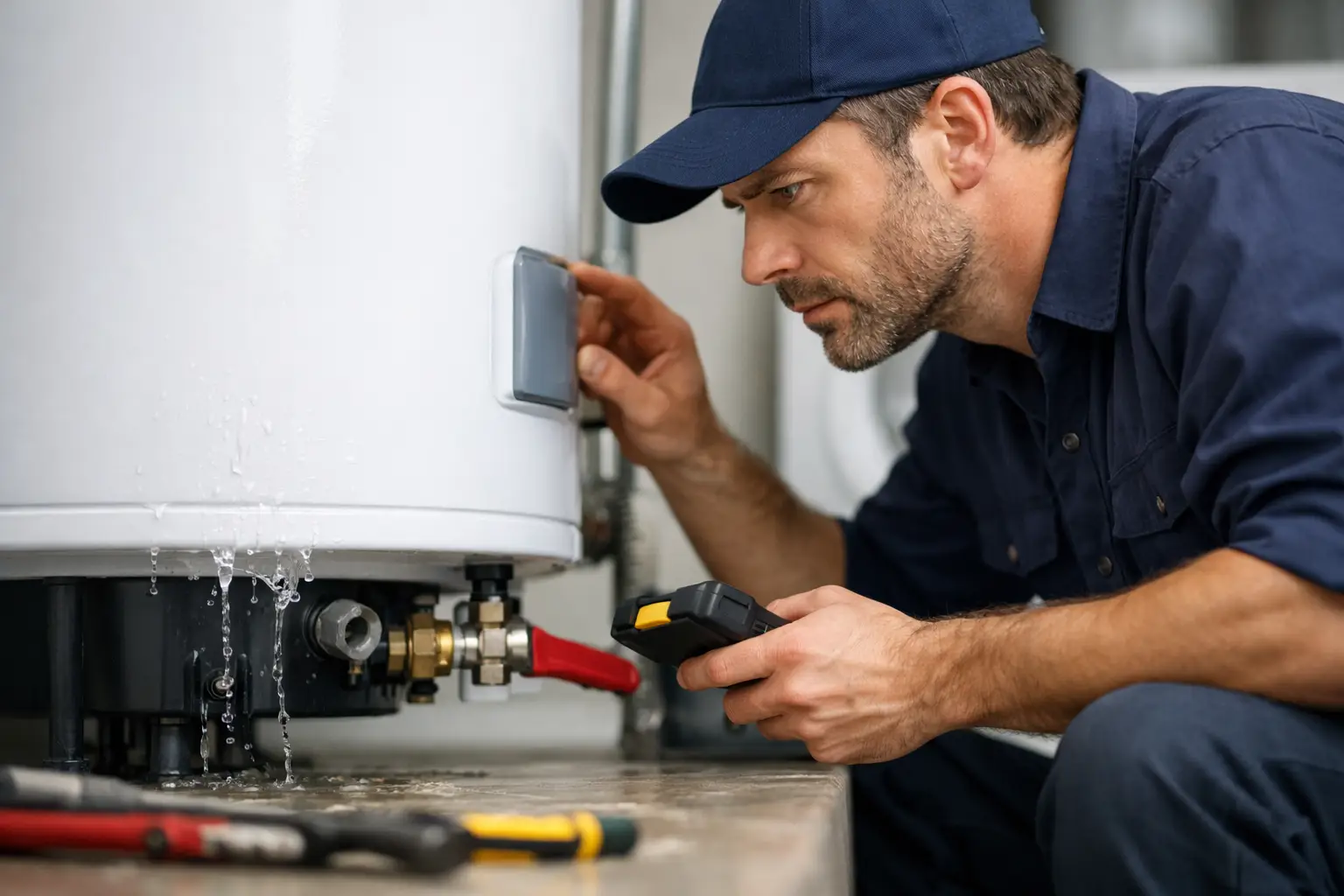
That starts with a clear diagnosis. The technician should inspect the unit, confirm the complaint, and explain the issue in plain language. If the problem is a failed part, you should know what that part does and why it matters. If the issue points to a larger system condition, like internal corrosion or excessive sediment, that should be explained just as clearly.
Clean work matters too. Homeowners are not just hiring for technical skill. They are trusting someone to work inside a finished home, mechanical room, basement, or utility closet without leaving a mess behind. That standard is no different than what customers expect on a drain cleaning or sewer camera inspection. Show up on time, protect the area, communicate clearly, and leave the space clean.
At Titan Jetters, that same customer-first approach matters across every service call. Whether the issue is a backed-up line in Prince William County or a failing water heater in a Northern Virginia home, the job should be handled with urgency, honesty, and respect for the property.
Repair or replace? It depends on the condition
This is where experience matters. Not every bad water heater should be repaired, and not every troubling symptom means the unit is done.
When repair makes sense
If the issue is isolated to a heating element, thermostat, gas control component, or valve, repair is often the practical move, especially if the unit is not near the end of its service life. A targeted repair can restore reliable hot water quickly without turning the issue into a larger project.
When replacement is the smarter call
If the tank itself is leaking, internal corrosion is advanced, or the unit has a pattern of repeated breakdowns, repair may only buy a little time. In those cases, continuing to patch the problem can lead to more downtime and a higher risk of water damage.
Age matters, but age alone should not make the decision. A newer unit with poor maintenance can be in rough shape. An older one that has been well cared for may still have useful life left. The right answer comes from the actual condition of the heater, not a one-size-fits-all rule.
Why fast response matters more than people think
A failing water heater does not just affect comfort. It can interrupt business operations, tenant routines, cleaning schedules, laundry, and daily household flow. For landlords and business owners, it can quickly become a reputation problem if occupants are left without hot water.
It can also become a property damage issue. Small leaks around a water heater are easy to underestimate because they often start slowly. But water spreads, baseboards absorb it, storage gets damaged, and mold risk increases the longer the problem sits.
This is especially true in finished basements and utility spaces where water heaters are installed near walls, flooring, and other equipment. A fast, informed response limits disruption and helps prevent a straightforward repair from turning into restoration work.
Water heater repair and the rest of your plumbing system
Water heater issues do not always happen in isolation. Pressure fluctuations, aging shutoff valves, poor drainage around the unit, or hidden leaks nearby can affect what you are seeing. In commercial settings, heavy use can expose weak points faster. In older homes, plumbing systems often tell a connected story.
That is why experienced plumbers do more than swap a part and leave. They look at the broader conditions around the issue. It is the same logic behind camera inspections on sewer lines – verify the cause, confirm the condition, and make decisions based on what is actually there.
For property owners in Northern Virginia, that practical mindset matters. You want the problem explained clearly, fixed correctly, and documented in a way that makes sense. Not a sales pitch. Not guesswork. Just solid workmanship and honest direction.
If your hot water is acting up, trust what it’s telling you
Water heaters usually give warning signs before they fail completely. Strange noises, reduced hot water, leaks, and rust-colored water are all reasons to schedule service before the disruption gets worse. Waiting rarely makes the repair simpler.
If your system is showing signs of trouble, act early and get a professional diagnosis. A good repair visit should give you clarity, restore reliability, and help you avoid the mess that comes from letting a small problem turn into a much larger one.