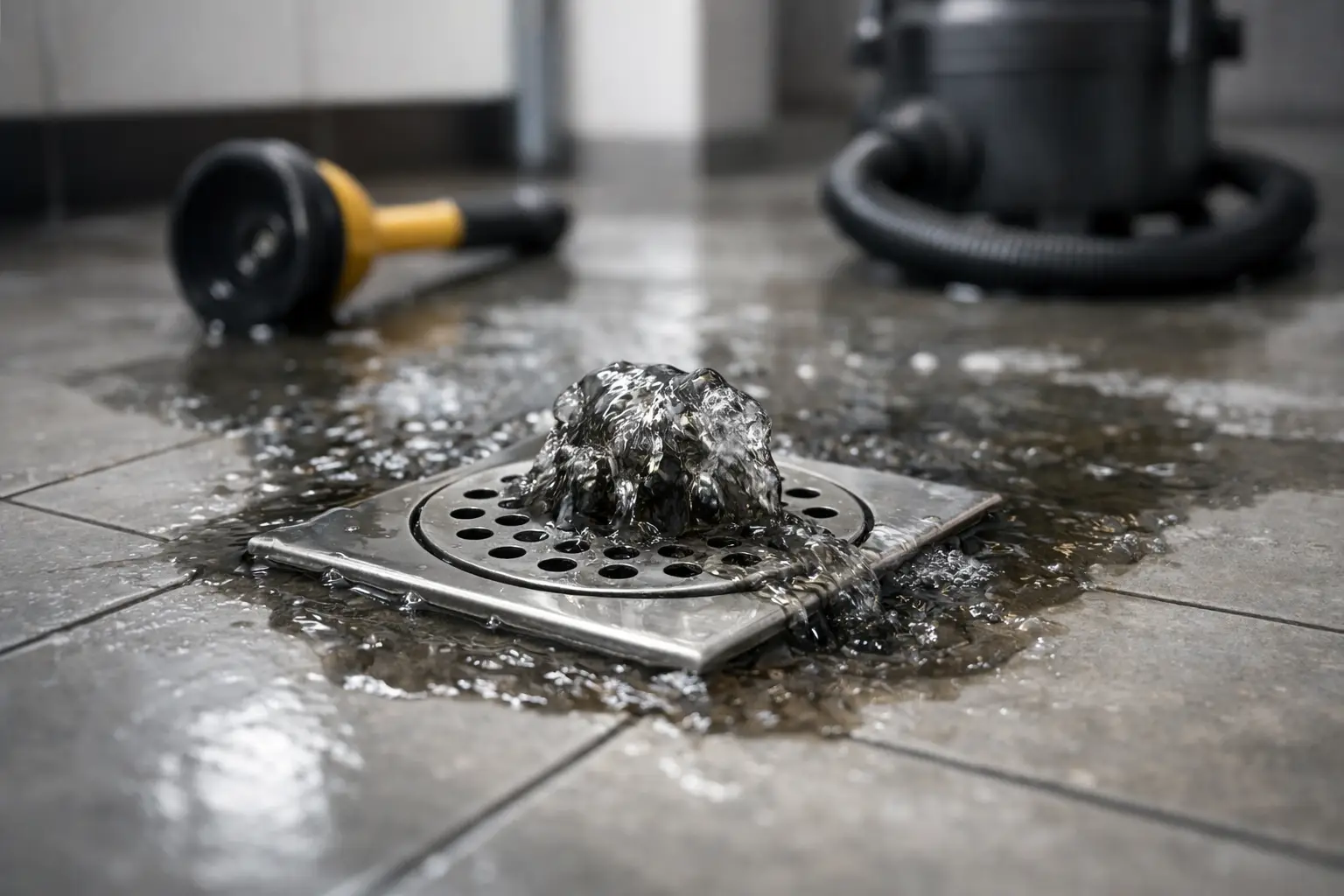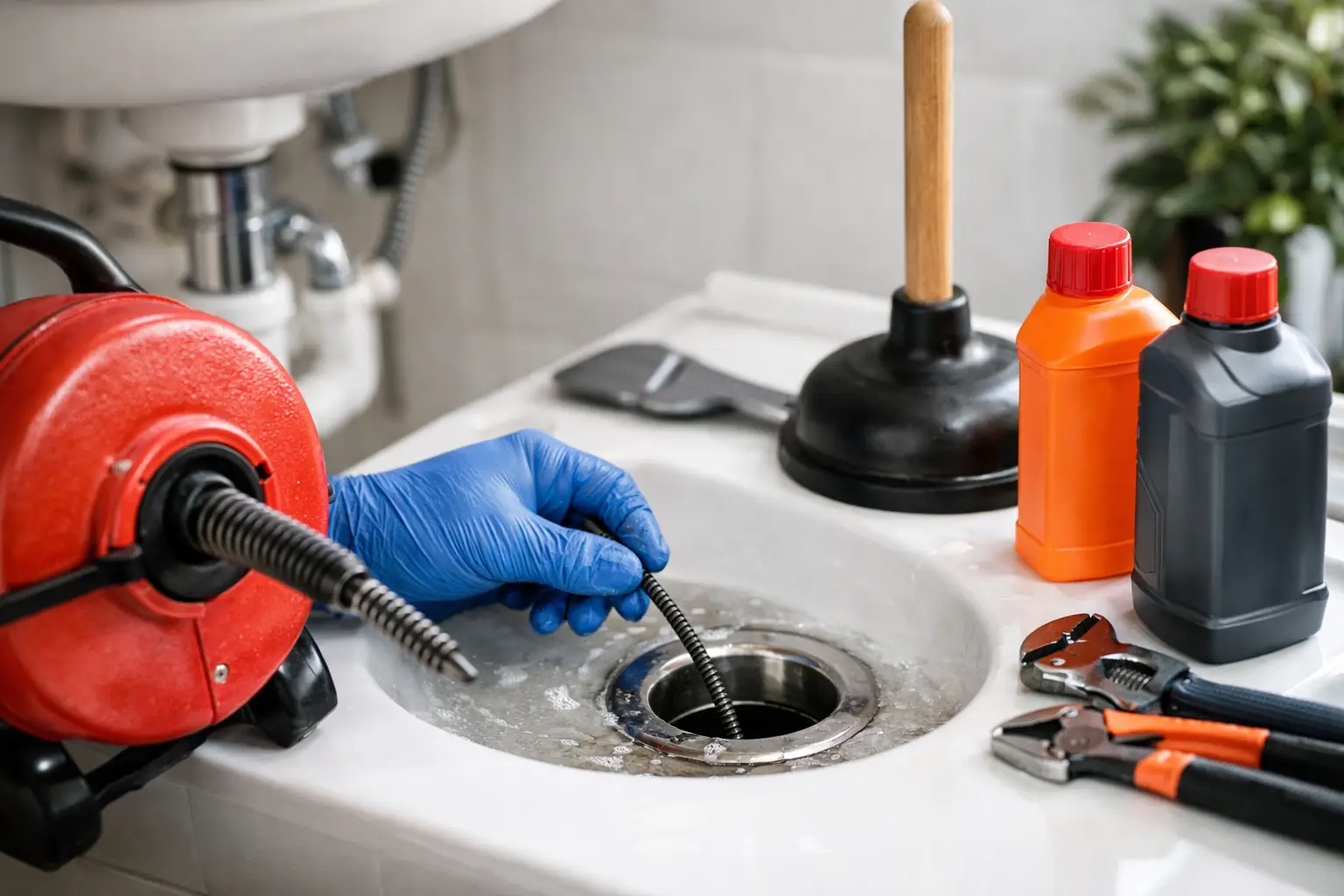
A drain can look open on the surface and still be one good flush away from backing up again. That is usually what happens when a line has heavy grease, scale, sludge, or root intrusion left on the pipe wall. The clog may be punched through, but the pipe is not truly clean.
That gap is where flex shaft drain cleaning stands out. It is not just about making a hole through a blockage. It is about restoring the inside diameter of the pipe more thoroughly, especially in smaller lines where buildup sticks to the walls and keeps causing repeat problems.
What flex shaft drain cleaning actually does
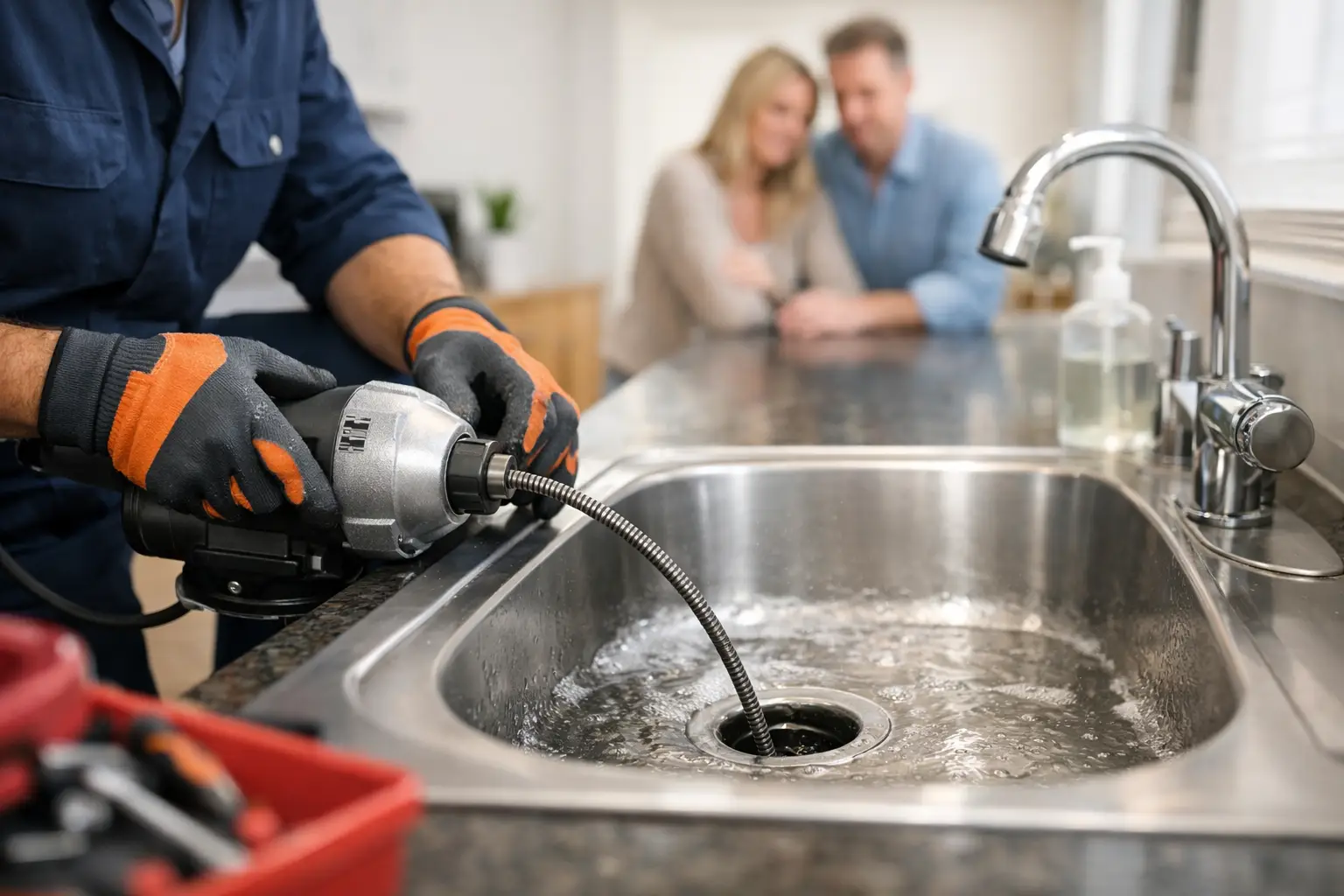
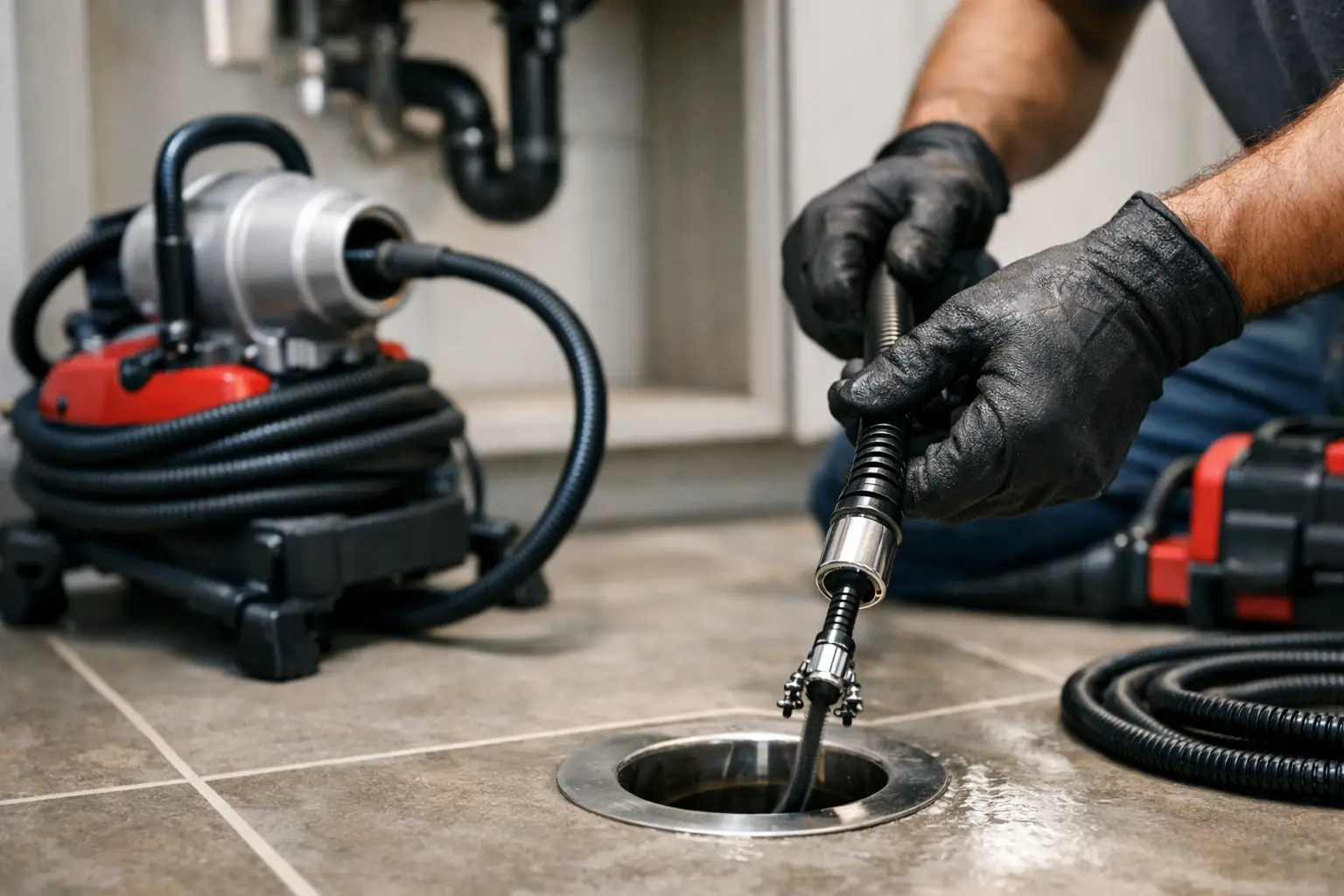
Flex shaft drain cleaning uses a specialized cable system that spins a cleaning head at high speed inside the pipe. Instead of simply boring a path through the middle of a blockage, the spinning head works against the pipe wall to break up grease, scale, soft roots, and other debris that has narrowed the line.
Think of it as the difference between poking a tunnel through a problem and actually scrubbing the pipe interior. That distinction matters. If residue stays behind, wastewater still has less room to move, and the line is more likely to clog again.
This method is often paired with a sewer camera inspection. That gives the technician a before-and-after view, so the result is not based on guesswork. You can see whether the obstruction was removed, whether buildup remains, and whether there is a larger issue like pipe damage or a belly in the line.
Why it is different from a basic drain snake
A standard snake has its place. For some stoppages, especially simple soft clogs, it can restore flow quickly. But a snake alone often does one thing – it opens enough space for water to pass.
That is not the same as cleaning the pipe wall.
With flex shaft drain cleaning, the goal is more complete removal of the material coating the inside of the line. In kitchen drains, that may be grease. In older cast iron, it may be scale and corrosion flakes. In some lines, it may be root fibers catching waste and paper.
For a homeowner or property manager, the real benefit is fewer repeat service calls. If a line keeps slowing down every few months, there is usually a reason. Temporary opening and full cleaning are not equal solutions.
When flex shaft drain cleaning is a strong option
This method works especially well when the problem is buildup along the pipe wall, not just one isolated obstruction. If a drain has been getting slower over time, that is often a clue that material has been accumulating and reducing flow capacity.
It can be a good fit for kitchen drain lines with grease accumulation, branch lines with sludge and soap residue, and older piping systems where scale has narrowed the interior. In some cases, it is also useful for cutting through lighter root intrusion in smaller drain lines.
It depends on the pipe condition and the severity of the blockage. If a line is collapsed, severely offset, or packed with heavy root mass, a different approach may be needed. The right answer comes from inspecting the line and matching the tool to the actual problem.
That is why experienced drain specialists do not treat every backup the same way. The equipment should fit the pipe size, the pipe material, and the type of obstruction.
Why camera verification matters
One of the biggest problems in drain cleaning is false confidence. Water starts moving again, so it is easy to assume the issue is solved. Then the backup returns because the real restriction was never fully removed.
Camera inspection changes that. It shows what is inside the line before cleaning and confirms the condition after the work is done. If there is remaining buildup, it can be addressed. If the pipe has a crack, separation, or structural defect, that can be identified right away.
For customers, this matters because it replaces vague explanations with visible proof. You are not just being told the line is clear. You can know what was found and what was corrected.
That level of verification is especially valuable in commercial settings, rental properties, and homes with a history of recurring drain issues. When downtime, tenant complaints, or repeated backups are on the line, guessing is expensive.
Flex shaft drain cleaning vs hydro jetting
These two services are often talked about together because both can deliver more than a basic cable opening. But they are not interchangeable in every case.
Hydro jetting uses high-pressure water to scour the pipe interior and flush debris out of the system. It is extremely effective for many drain and sewer line cleaning situations, especially where heavy grease, sludge, and broad buildup are present. It can clean long sections of pipe very thoroughly.
Flex shaft drain cleaning is more targeted and mechanical. It is often a smart choice for smaller diameter lines, interior branch drains, and situations where controlled wall cleaning is needed. In some cases, it can also be the better option when the line condition calls for a more precise approach.
Neither method is automatically better in every situation. It depends on pipe size, access, buildup type, and overall line condition. A qualified technician will look at the system as a whole, not just reach for the same machine on every job.
Common situations where customers ask about it
A lot of people do not call asking for flex shaft drain cleaning by name. They call because the kitchen sink keeps backing up, a floor drain is slow again, or a tenant says the line was just cleared and is already acting up.
Those are the moments when a more complete cleaning method starts to make sense.
If your drain has been cabled before but the problem keeps returning, that is a sign the pipe may still have significant buildup. If wastewater drains slowly even after the clog is supposedly cleared, there may be thick residue narrowing the line. And if a camera inspection shows scaling or wall buildup, flex shaft cleaning may be part of the most effective solution.
This is also relevant for older homes and commercial properties where years of use have changed the inside of the pipe. A line does not have to be fully blocked to have a serious flow restriction.
What a professional approach should look like
Good drain service is not just about equipment. It is about diagnosis, communication, and clean execution.
A professional should explain what is causing the issue in plain language, recommend the right cleaning method for that specific line, and verify the result whenever possible. The work area should be respected, the process should be clearly communicated, and the result should be focused on long-term flow, not a quick temporary opening.
That customer-first approach matters when you are dealing with a stressful backup or trying to keep a property running without disruption. In Northern Virginia, Titan Jetters uses flex-shaft systems, hydro jetting, and camera diagnostics to match the cleaning method to the actual problem and confirm the line is properly addressed.
Why this service can prevent bigger headaches
Drain issues rarely stay small for long. A partially blocked line can turn into a messy backup at the worst possible time. For businesses, that can mean downtime and sanitation concerns. For homeowners, it can mean water where it does not belong and a much bigger interruption than expected.
More complete cleaning helps reduce the chance of repeat stoppages, especially in lines that have been gradually narrowing for months or years. It also helps reveal when the issue is not buildup at all, but a structural pipe problem that cleaning alone will not solve.
That distinction is worth catching early. If the line can be restored with proper cleaning, great. If it cannot, you want to know before the next backup forces the issue.
Flex shaft drain cleaning is not a buzzword or an upgrade for the sake of sounding advanced. It is simply the right tool in the right situations – especially when the real problem is what is stuck to the pipe walls, not just what is blocking the center. If your drains keep acting up, the smartest next step is not another temporary opening. It is finding out what is really inside the line and cleaning it the way the condition calls for.