If your home smells like sewage, the problem usually is not the whole house – it is one drain, one fixture, or one section of pipe that is letting sewer gas escape. Knowing how to reduce sewer odor in house starts with understanding that the smell is a warning sign, not just a nuisance. Sometimes the fix is simple. Other times, the odor points to a drainage or venting problem that needs professional attention before it gets worse.
That smell often shows up in the bathroom first, but kitchen drains, laundry areas, basements, and utility rooms are common trouble spots too. In many homes, sewer odor gets stronger after rain, during hot weather, or when a fixture has not been used in a while. The pattern matters because it helps narrow down whether you are dealing with a dry trap, buildup in a drain line, a failing wax ring, a venting issue, or a damaged sewer pipe.
How to reduce sewer odor in house without guessing
The fastest way to solve sewer odor is to stop treating every smell like the same problem. A drain that smells near the sink is different from a toilet that smells at the base. A basement odor that gets stronger after storms tells a different story than a guest bathroom that smells only after sitting unused.
A lot of homeowners waste time because they clean surfaces, spray air freshener, or flush drains over and over without identifying where the gas is entering the home. Sewer gas should stay inside the drainage system. If you can smell it indoors, something is allowing that barrier to fail.
The most common causes are pretty straightforward. A plumbing trap may have dried out. Organic buildup may be rotting inside a branch drain. A toilet seal may no longer be tight. A vent stack may be blocked or not pulling air correctly. In older homes, worn or damaged piping can also let odor escape through cracks, loose joints, or separated fittings.
The most common reasons your house smells like sewer
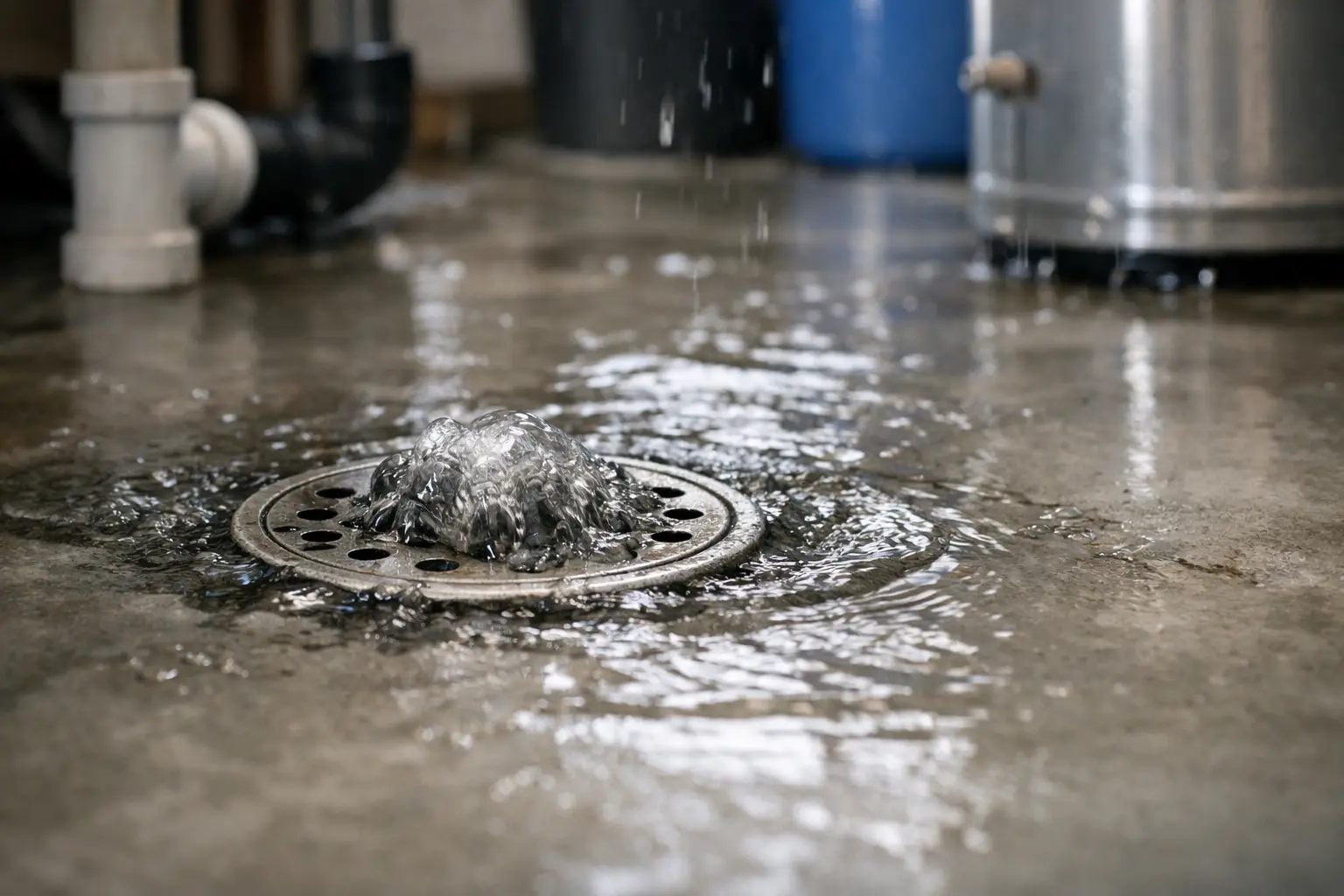
One of the simplest causes is a dry P-trap. Every sink, tub, shower, and floor drain is designed to hold a small amount of water in the trap. That water acts like a plug against sewer gas. If a drain has not been used for days or weeks, the water can evaporate and let odor come straight into the room. This is especially common in guest bathrooms, basement floor drains, and utility sinks.
Another frequent issue is drain buildup. In bathroom sinks, soap scum, toothpaste, hair, and skin oils can collect along the pipe walls and start to smell bad. In kitchen drains, grease and food residue create a heavier, sour sewer-like odor. The drain may still be moving water, but that does not mean it is clean.
Toilets can create sewer odor when the wax ring under the base starts to fail. If that seal is compromised, gas can escape around the toilet even if the toilet still flushes normally. You may notice odor near the floor, slight movement in the toilet, or staining around the base.
Vent problems are another big one. Your plumbing system uses vent pipes to move sewer gas safely outside and help drains flow correctly. If a vent is blocked by debris, animal nesting, or other obstructions, pressure can build up in the system and force odor back into the home. This can also cause gurgling sounds or slow drainage.
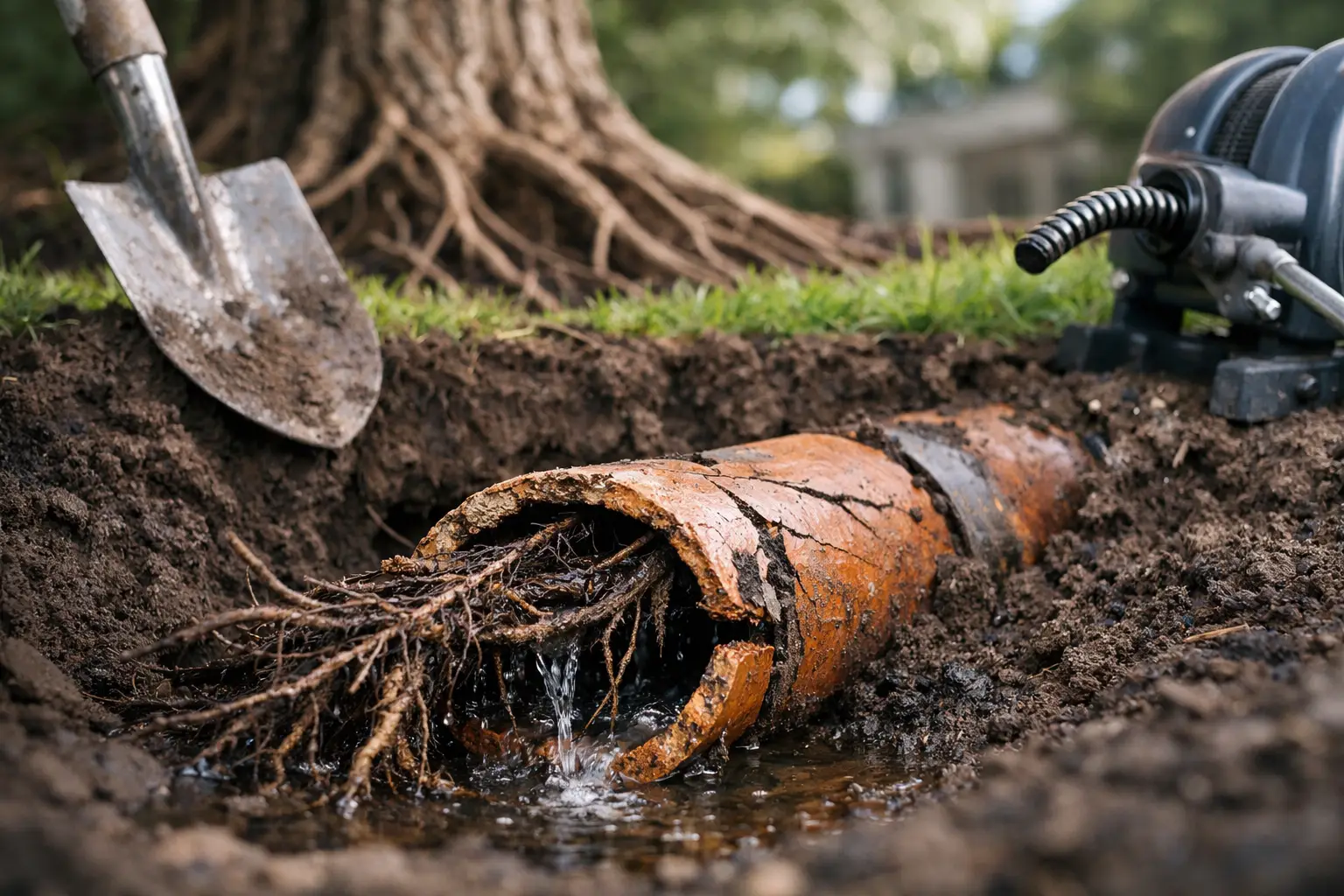
Then there is the bigger category – sewer line issues. A cracked, bellied, root-invaded, or partially blocked sewer line can create recurring odor, especially in basements, crawl spaces, or lower-level bathrooms. If multiple drains are affected at once, or the smell comes with backups or slow drains, that is a stronger sign the problem is deeper in the system.
What the location of the smell can tell you
If the smell is strongest at one sink, that usually points to trap issues, biofilm buildup, or a nearby venting problem. If it is centered around a shower or tub, the drain line may have buildup or the trap may be losing its water seal.
If the odor is strongest around the toilet, look at the base first. Sewer smell there often means the seal is failing. If the smell is coming from behind a wall, under a floor, or through multiple rooms, that is more concerning because it can indicate hidden pipe leaks or sewer gas escaping from a damaged section of drain line.
Basement odors deserve extra attention. Floor drains in basements often dry out because they are used less often. But if the smell stays after the trap has water in it, there may be a deeper issue in the main line or venting system. In parts of Northern Virginia with older plumbing systems, that kind of smell can be tied to scale buildup, partial blockages, or aging sewer piping that needs a closer look.
Warning signs that the smell is more than a minor drain issue
A sewer smell by itself is enough reason to pay attention, but a few signs raise the urgency. If you are getting repeated odors from the same area, slow drains in more than one fixture, toilet bubbling, gurgling sounds, or smell after using water elsewhere in the house, the issue is probably not isolated.
The same goes for odor that returns quickly after basic cleaning. When the smell keeps coming back, there is usually an underlying cause inside the line, below the fixture, or in the vent system. That is where proper drain diagnostics matter. Guesswork usually leads to temporary relief, not a real fix.
When professional drain cleaning makes sense
There is a point where sewer odor stops being a housekeeping issue and becomes a system issue. If buildup inside the line is the source, surface cleaning will not solve it. The inside walls of the pipe may still be holding grease, sludge, scale, or waste that continues to smell and restrict flow.
Professional drain cleaning is helpful when odor comes with recurring slow drains or repeated clogs. In those cases, the goal is not just to open the line. It is to clean the line thoroughly enough that the smell source is removed instead of left behind. For heavier buildup, especially in kitchen lines or older cast iron drains, more advanced cleaning methods can make a major difference.
Hydro jetting and flex-shaft descaling are not about doing more work than necessary. They are about matching the right method to the actual condition of the pipe. If a line is coated with years of grease or scale, a partial clearing may restore some flow but still leave the odor problem in place. Thorough cleaning gets closer to a true reset.
Why camera inspection matters for recurring sewer odor
When sewer smell keeps returning, seeing inside the line takes the guesswork out of the process. A sewer camera inspection can confirm whether the problem is buildup, root intrusion, a belly in the line, a cracked section of pipe, or another structural defect.
That matters because not every odor problem should be treated the same way. If the issue is a failing line or broken connection, repeated drain cleaning alone may not be the full answer. On the other hand, if the camera shows a line packed with debris and scale but otherwise intact, cleaning may solve both the smell and the drainage issue.
For homeowners and landlords, that kind of verification is worth a lot. You are not just being told what might be wrong. You are getting visual proof of what is happening in the pipe and a clear path to fixing it correctly.
How to keep sewer odor from coming back
Prevention is mostly about keeping the drainage system healthy and not ignoring early warning signs. Unused drains should not sit dry for long periods. Recurring slow drains should be addressed before they turn into heavy buildup. If a toilet rocks, smells at the base, or shows signs of leakage, it should be evaluated before gas and water damage get worse.
Routine attention matters even more in homes with older drain systems, heavy kitchen use, or a history of backups. If your house has recurring drain problems, periodic professional cleaning and inspection can catch buildup and wear before they become a messy emergency. That is especially helpful for busy households that do not have time to deal with repeat issues every few months.
If the smell is isolated and brief, the cause may be minor. If it is persistent, spreading, or tied to drainage problems, treat it like what it is – a sign that your plumbing system needs a proper diagnosis. Titan Jetters handles those situations the right way, with line cleaning, camera inspection, and clear answers so you can stop chasing the smell and get your home back to normal.