

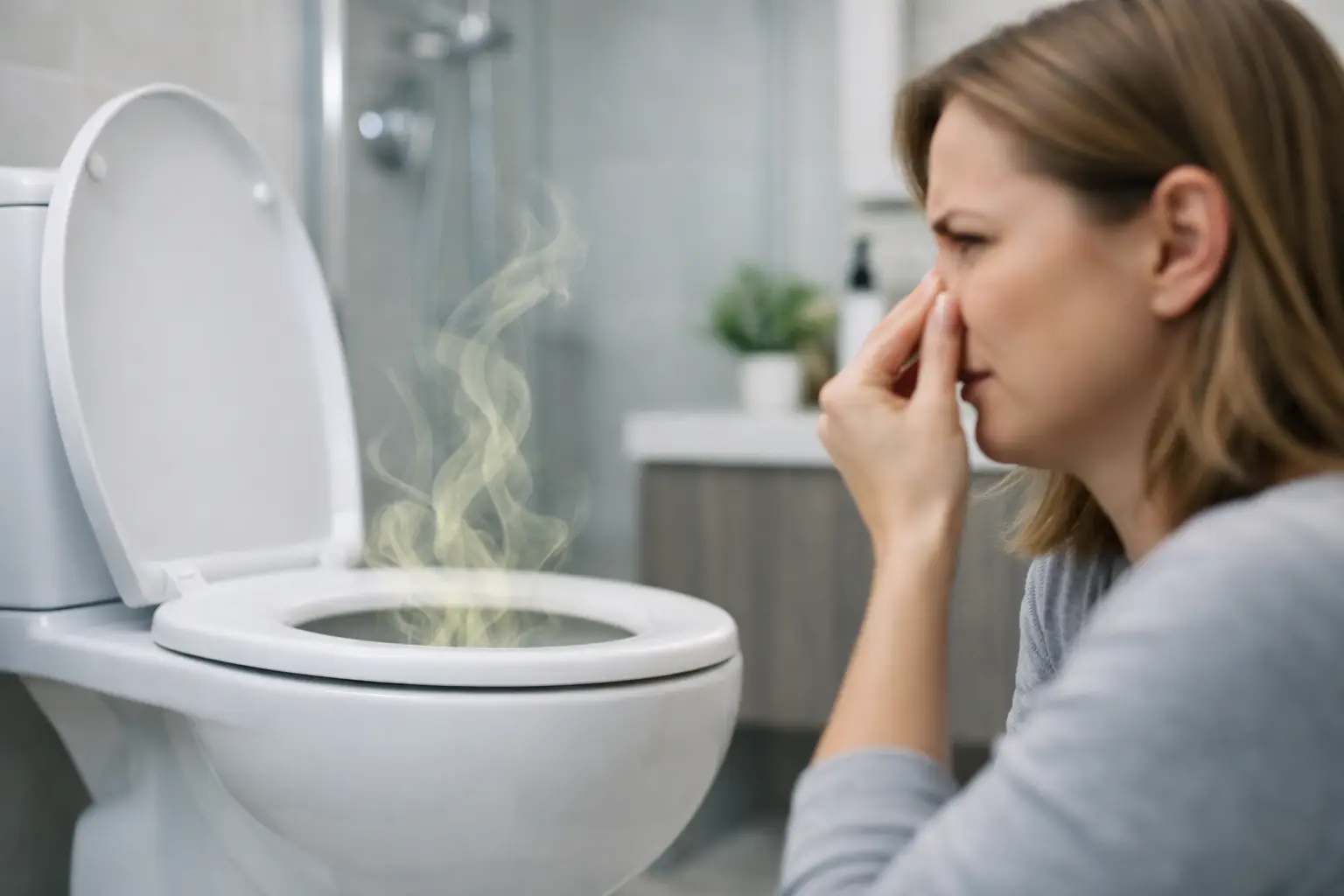
That sewer odor usually shows up at the worst time – right before guests arrive, during a busy workweek, or when you are already dealing with another home issue. If you are wondering what causes sewage smell in bathroom areas, the short answer is this: sewer gas is getting into the room from somewhere it should not. The real job is figuring out where and why.
Sometimes the source is minor, like a dry drain that has not been used in a while. Other times, it points to a drainage or venting problem deeper in the system. The smell itself matters because it is often the first sign that something in the plumbing is not sealing, draining, or venting the way it should.
What causes sewage smell in bathroom spaces most often?
In most homes, bathroom sewer smells come from one of a handful of problems. The trap under a fixture may have lost its water seal. A toilet may not be sealing tightly at the base. A drain line may have buildup that is holding waste and bacteria. In some cases, the plumbing vent system is blocked or not moving air correctly, which can pull odors back into the room.
What makes this tricky is that the smell does not always appear right next to the actual problem. You may notice odor near the sink, but the issue may be at the tub drain, toilet wax ring, vent stack, or branch line in the wall. That is why a good diagnosis matters more than guessing.
The role of drain traps and water seals
Every bathroom fixture is designed with a trap that holds a small amount of water. That water creates a barrier between your home and the sewer system. When the trap is full and working properly, sewer gas stays in the pipe where it belongs.
If a sink, tub, floor drain, or shower has not been used for a while, the water in that trap can evaporate. Once that happens, odor has a direct path into the bathroom. This is common in guest bathrooms, basement bathrooms, and commercial restrooms that sit unused for stretches of time.
The good news is that not every smell means major pipe damage. The catch is that if the smell keeps returning after regular use, the trap may be getting siphoned, there may be a venting issue, or there could be a leak allowing sewer gas to escape.
When the toilet is the real source
A toilet is one of the most common places for bathroom sewer odor to start. If the seal under the toilet has failed, sewer gas can leak out around the base. You might notice a smell that comes and goes, especially after flushing or when the bathroom has been closed up for a while.
A loose toilet can make the problem worse. Even a slight shift can break the seal enough to let odor escape. In some homes, you may also see staining, moisture, or soft flooring nearby, but not always. Sometimes the only warning sign is the smell itself.
There is also a difference between a toilet that smells because of surface bacteria and a toilet that smells because of a failed seal or drainage issue. Surface cleaning may help the first problem, but it will not fix the second.
Biofilm and buildup inside bathroom drains
Not every sewage-like odor is coming straight from the sewer line. Bathroom sink, shower, and tub drains often collect soap residue, hair, toothpaste, skin oils, and other organic material. Over time, that buildup can create a strong foul smell, especially in warm, damp conditions.
This is one reason odor can linger even when drains still seem to be moving water. A line does not have to be fully clogged to smell bad. Partial buildup can trap debris and bacteria along the pipe walls, and that material keeps producing odor.
In older lines, scale and rough interior pipe surfaces make this worse. Waste sticks more easily, drainage slows down, and smells hang around longer. In those cases, professional cleaning is often the only way to fully remove the material instead of just punching a small opening through it.
Venting problems can pull odor indoors
Your plumbing system needs proper venting to move wastewater efficiently and balance air pressure in the pipes. If a vent is blocked, damaged, or undersized, water can drain poorly and traps can lose their seal. That opens the door to sewer gas entering the bathroom.
This is one of those issues that can be easy to miss. You may hear gurgling from a drain, notice water levels changing in a toilet bowl, or catch odor after another fixture is used. For example, flushing a toilet might trigger smell at the shower drain if pressure changes are affecting the trap.
Venting issues are also a good example of why bathroom odor is not always a simple surface problem. The smell may be a symptom of how the whole drainage system is behaving behind the walls and above the roofline.
Hidden leaks and cracked drain lines
If the smell is persistent and no obvious fixture stands out, a hidden leak is worth considering. A cracked drain pipe inside a wall, under a floor, or in a crawl space can release sewer gas without producing a dramatic water leak right away.
This is especially true with small cracks, loose fittings, or aging pipe materials. The bathroom may smell strongest at certain times of day, after heavy water use, or during weather changes. Because the problem is concealed, homeowners often spend time cleaning the room, treating the drains, and checking the toilet before realizing the issue is deeper in the system.
That is where proper drain diagnostics become important. A professional inspection can narrow down whether the problem is buildup, venting, a failed seal, or damage in the line itself.
Why the smell may be worse after rain or humidity
Homeowners sometimes notice sewer odor after storms or during humid weather. That does not always mean the rain caused the problem, but it can make an existing issue more noticeable. Changes in air pressure, saturated soil, and reduced airflow can all affect how odors move through drains and vent systems.
In some cases, a compromised sewer line or vent problem becomes more obvious when the system is under stress. In others, the bathroom simply holds odor more strongly because the air is damp and still. Either way, recurring smell tied to weather is usually a sign that the issue is not just basic housekeeping.
What a professional diagnosis should look for
A good plumbing diagnosis is not just about confirming that the bathroom smells bad. It should identify where the odor is escaping, what is causing it, and whether the problem is isolated or part of a larger drain issue.
That may involve checking fixture traps, inspecting the toilet seal, evaluating drain performance, and using sewer camera equipment when the source is not visible. In homes with recurring backups, slow drains, or older piping, camera inspection becomes especially useful because it shows the actual condition of the line. If there is heavy buildup, scale, standing waste, or pipe damage, the cause can be verified instead of guessed at.
For Northern Virginia property owners dealing with repeat drain odors, that matters. No one wants a quick visit that masks the smell for a week and leaves the real problem in place.
When sewage smell in a bathroom should not wait
Some bathroom odors can be addressed quickly once the cause is identified. Others should be treated as more urgent. If the smell is getting stronger, affecting multiple fixtures, or showing up along with slow drains, gurgling, bubbling, or backups, there is a bigger drainage problem developing.
The same goes for odor that keeps coming back after cleaning and normal fixture use. A recurring sewer smell usually means something in the system is failing to seal, vent, or carry waste properly. Waiting rarely improves that.
If your bathroom smells like sewer gas and you cannot clearly trace it to an unused fixture, it makes sense to have the drainage system checked by a specialist who can inspect the line, explain the findings clearly, and verify the fix. Titan Jetters handles that kind of work every day with professional drain cleaning, hydro jetting, and camera diagnostics designed to solve the actual problem, not just cover the odor.
A bathroom should smell clean because the plumbing is working right, not because the problem is being temporarily hidden. When sewer odor shows up, treat it like what it is – a warning sign worth taking seriously.
