That sewer smell usually shows up at the worst time – right before guests arrive, during a busy workweek, or in the middle of getting a property ready for tenants. And while the odor might seem like a minor nuisance at first, the top causes sewer odors indoors often point to a drain, vent, or sewer issue that needs real attention before it turns into a backup, recurring clog, or hidden leak.
Some causes are simple. Others are buried deeper in the system and will keep coming back until the line is properly diagnosed. The key is not guessing. Sewer odors tend to follow patterns, and those patterns tell you a lot about what is happening inside the plumbing.
Top causes sewer odors indoors homeowners should know
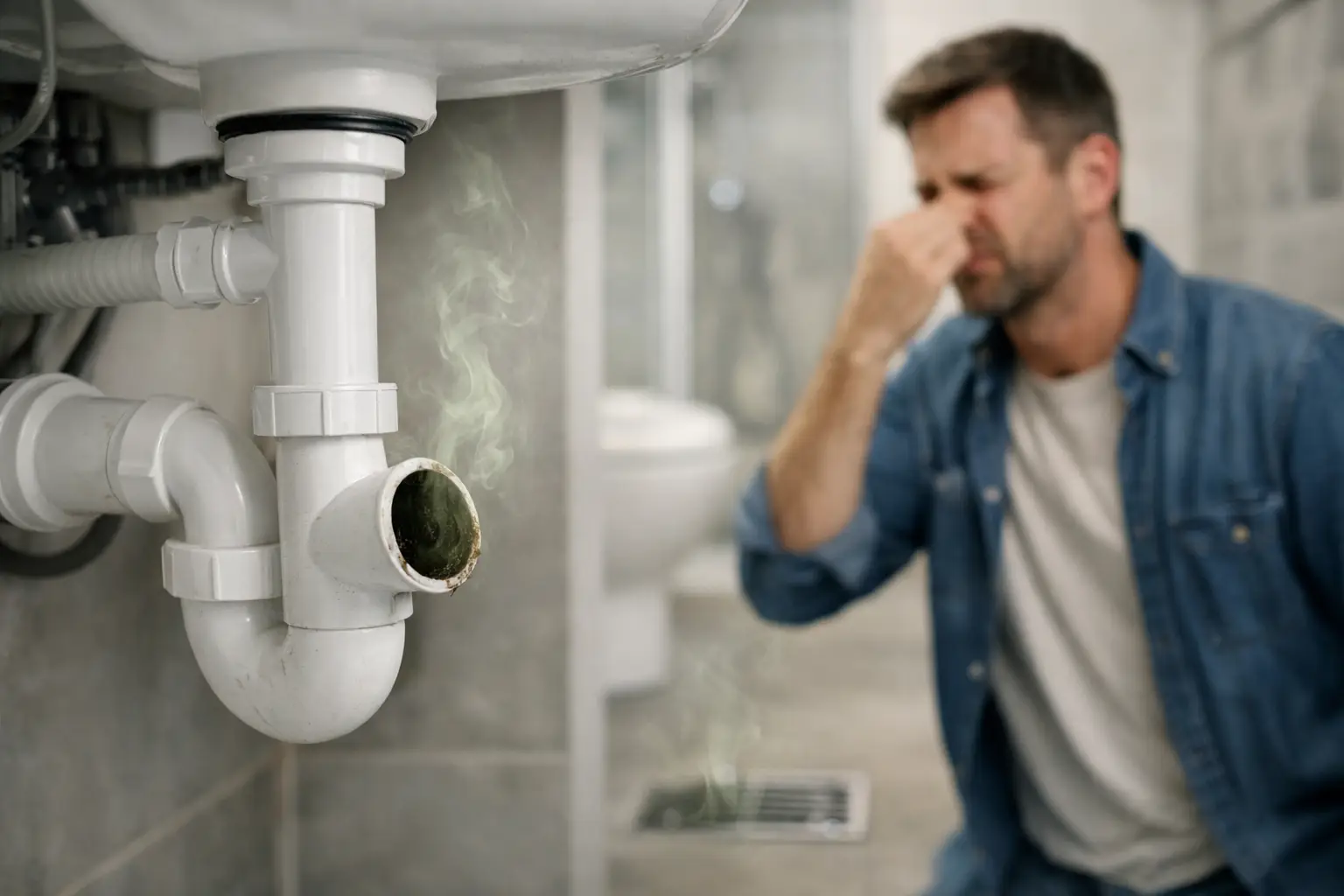
The most common source is a dry trap. Every sink, shower, floor drain, and tub has a trap designed to hold water. That water creates a barrier between your indoor air and sewer gases inside the drainage system. If a drain is rarely used, the water in that trap can evaporate and let odors move straight into the room.
This is especially common in guest bathrooms, basement floor drains, laundry rooms, and commercial spaces with fixtures that sit unused for long stretches. If the smell is isolated to one drain and there are no signs of slow drainage or backup, a dry trap is often the first thing a plumber considers.
Another frequent cause is buildup inside the drain itself. Kitchen lines can collect grease, food residue, and soap scum. Bathroom drains often hold hair, biofilm, and organic debris. That material starts to break down and create a rotten, sour, or sewer-like smell. Technically, the source may be in the branch drain rather than the main sewer line, but to a homeowner standing in the room, the smell feels the same.
This is where surface-level cleaning can be misleading. A fixture may still drain, just more slowly than it should, and the odor lingers because the pipe walls are coated. In older homes, scale and corrosion can make that buildup even worse.
Venting problems can push sewer gas indoors
Your plumbing system is designed to move wastewater out while also balancing air pressure through vent pipes. When those vents are blocked, damaged, or not working properly, the system can pull water out of traps or force sewer gas back into the house.
This is one of the more confusing odor problems because the smell may come and go. You might notice it after flushing a toilet, running a washing machine, or draining a bathtub. In those cases, the issue is not always the fixture you smell. It can be a venting problem affecting pressure across multiple fixtures.
Leaves, debris, nesting animals, and pipe damage can all interfere with vent performance. The trade-off here is that vent problems are easy to suspect but not always easy to confirm without proper inspection. That is why repeat odor complaints often need a more complete look at the system rather than a quick drain treatment.
A failing wax ring can smell like a sewer line problem
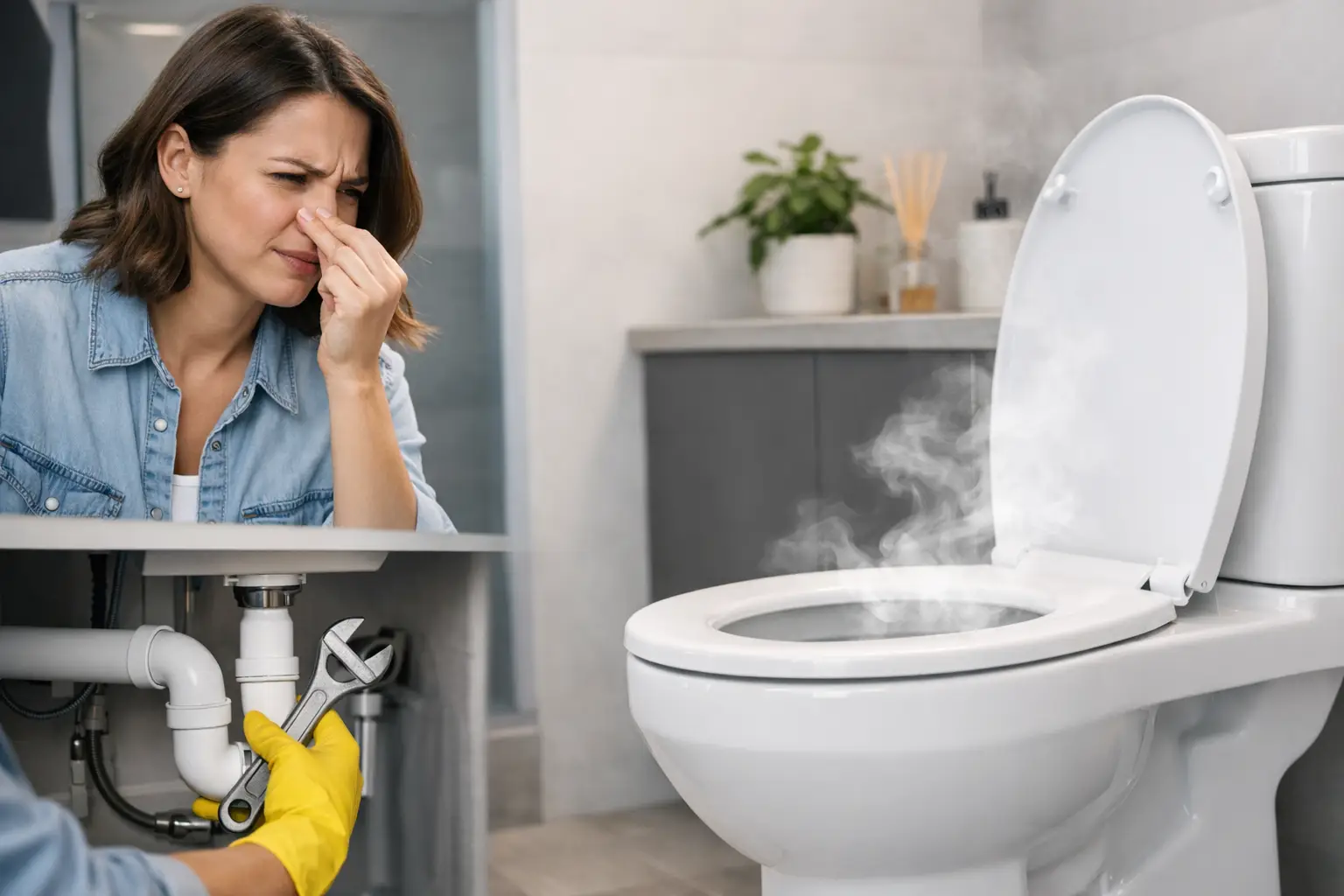
If the odor is strongest around the base of a toilet, a worn or broken wax ring is a strong possibility. That seal sits between the toilet and the drain flange. When it fails, sewer gas can escape into the bathroom each time the toilet is used.
Sometimes there is also slight movement in the toilet, staining around the base, or moisture nearby. Sometimes there is not. A bad wax ring can create a clear odor issue without an obvious leak showing up on the floor.
This is one of those cases where the smell seems small until it is not. If the seal has been compromised long enough, moisture can affect the subfloor and make the repair more involved.
Sewer line clogs and heavy buildup are a major red flag
Among the top causes of sewer odors indoors, a partially blocked sewer line is one of the most serious. When the main line cannot move wastewater efficiently, waste sits longer in the pipe, gases build up, and the system starts signaling that something is wrong.
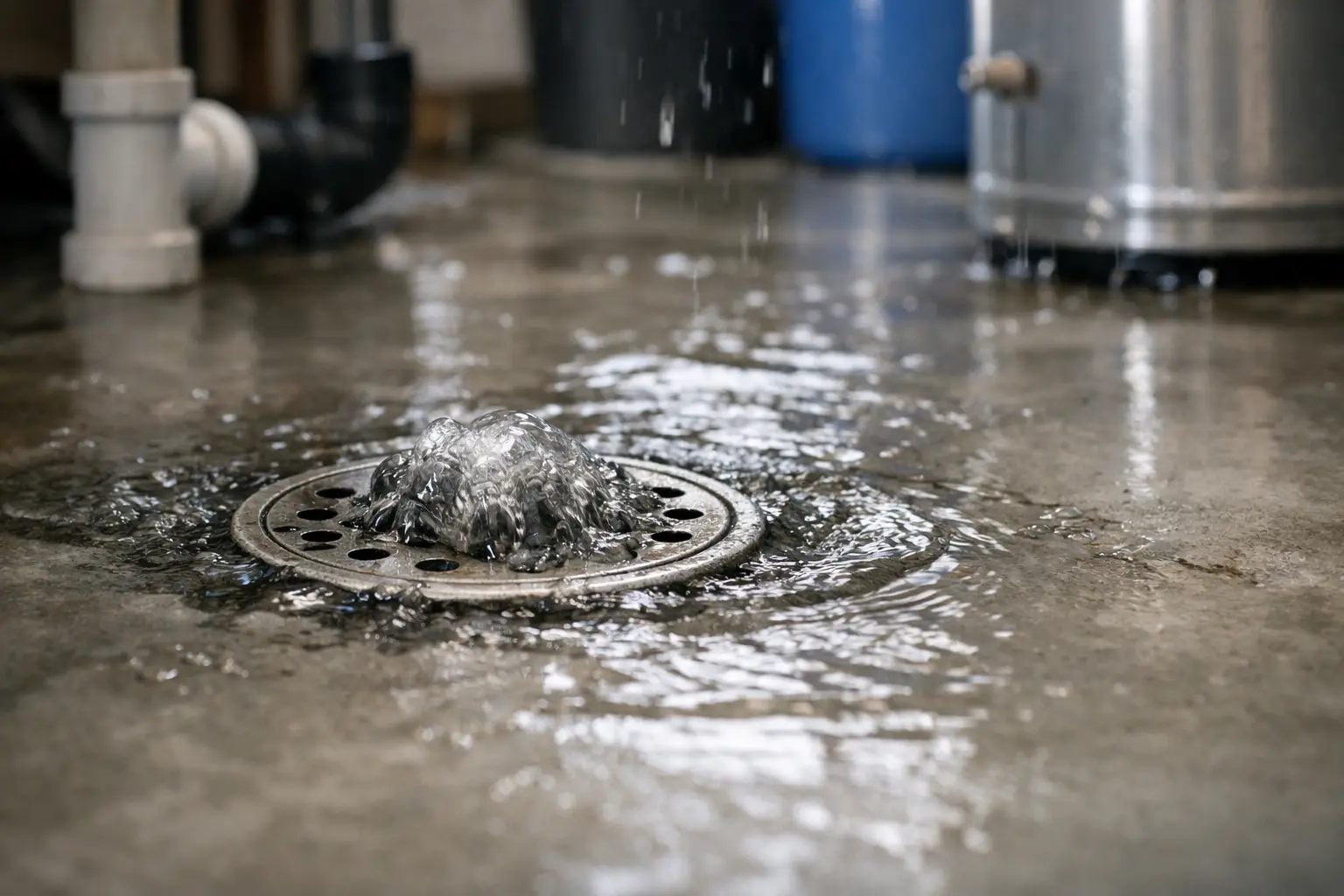
Homeowners often notice more than just smell when this happens. Toilets may gurgle. Lower-level drains may run slowly. A basement shower or floor drain may release odor first because it is the lowest point in the home. In some cases, the smell shows up before an actual backup, which gives you a chance to address the problem early.
The cause of that blockage matters. Grease, wipes, root intrusion, scale, and settled debris all behave differently. A cable may punch a temporary opening, but if the pipe walls are still loaded with buildup, the odor and clogging pattern often return. That is where hydro jetting, descaling, and a sewer camera inspection make a real difference. Instead of guessing, the line can be cleaned thoroughly and the condition verified.
Cracked pipes and hidden leaks can create persistent odor
A sewer smell that never fully goes away deserves extra attention. One reason is a damaged drain or sewer pipe behind a wall, under a slab, or in a crawl space. If wastewater or sewer gas is escaping before it reaches the main line, the odor may linger in one room or spread through the home depending on airflow.
Older homes can be more vulnerable, especially where cast iron, aging connections, or settled lines are involved. In some properties, the smell gets stronger during humid weather or after heavy water use. That does not always mean the problem is outside. It can mean a damaged section is reacting to changing conditions in the system.
This is not the kind of issue you want to wait on. Hidden sewer leaks can affect materials, indoor air quality, and eventually the surrounding structure.
Biofilm and overflow residue in overlooked drains
Not every bad sewer smell is coming from the main line. Overflow openings in bathroom sinks, condensate drains, floor drains, and utility sinks can all hold residue that starts to smell foul over time. In commercial settings, mop sinks and rarely cleaned floor drains are common odor sources too.
The reason this gets missed is simple. The fixture still works, so it does not look like a drain problem. But odor-causing buildup can sit just out of sight and keep producing a musty, rotten, or sewer-like smell.
That said, if cleaning the fixture area does not solve it, there may be a deeper drainage issue behind the symptom. Odor by itself is not enough to diagnose the line accurately.
When sewer odors mean it is time for a real inspection
A one-time smell from an unused drain is different from an odor that keeps returning, spreads to multiple rooms, or shows up with slow drains and gurgling toilets. Once the problem starts repeating, it makes sense to stop treating it like a surface issue.
This is where professional diagnostics matter. A sewer camera inspection can show whether the line has grease buildup, root intrusion, scale, standing waste, cracks, or offsets. If the pipe is heavily coated, hydro jetting or descaling may be the right next step to restore flow and remove the odor source instead of just knocking a hole through it.
For homeowners and property managers in Northern Virginia, this matters even more in older homes and busy buildings where recurring drain issues can affect multiple fixtures fast. A clean-looking sink does not tell you what is happening twenty feet down the line.
Titan Jetters handles these situations the right way – diagnose first, explain clearly, and verify the result. That approach saves time, avoids repeat service calls, and gives you a real answer instead of a temporary guess.
Don’t ignore the pattern
Sewer odors rarely fix themselves. If the smell is tied to one unused drain, the solution may be simple. If it keeps coming back, moves between rooms, or shows up with drainage issues, the plumbing system is telling you something more serious is developing.
The good news is that odor problems are usually traceable when the line is inspected properly. The sooner you catch the source, the better your chances of avoiding a full backup, water damage, or a much larger repair. If your home smells like the sewer is trying to move in, it is time to find out why and get the line flowing the way it should.