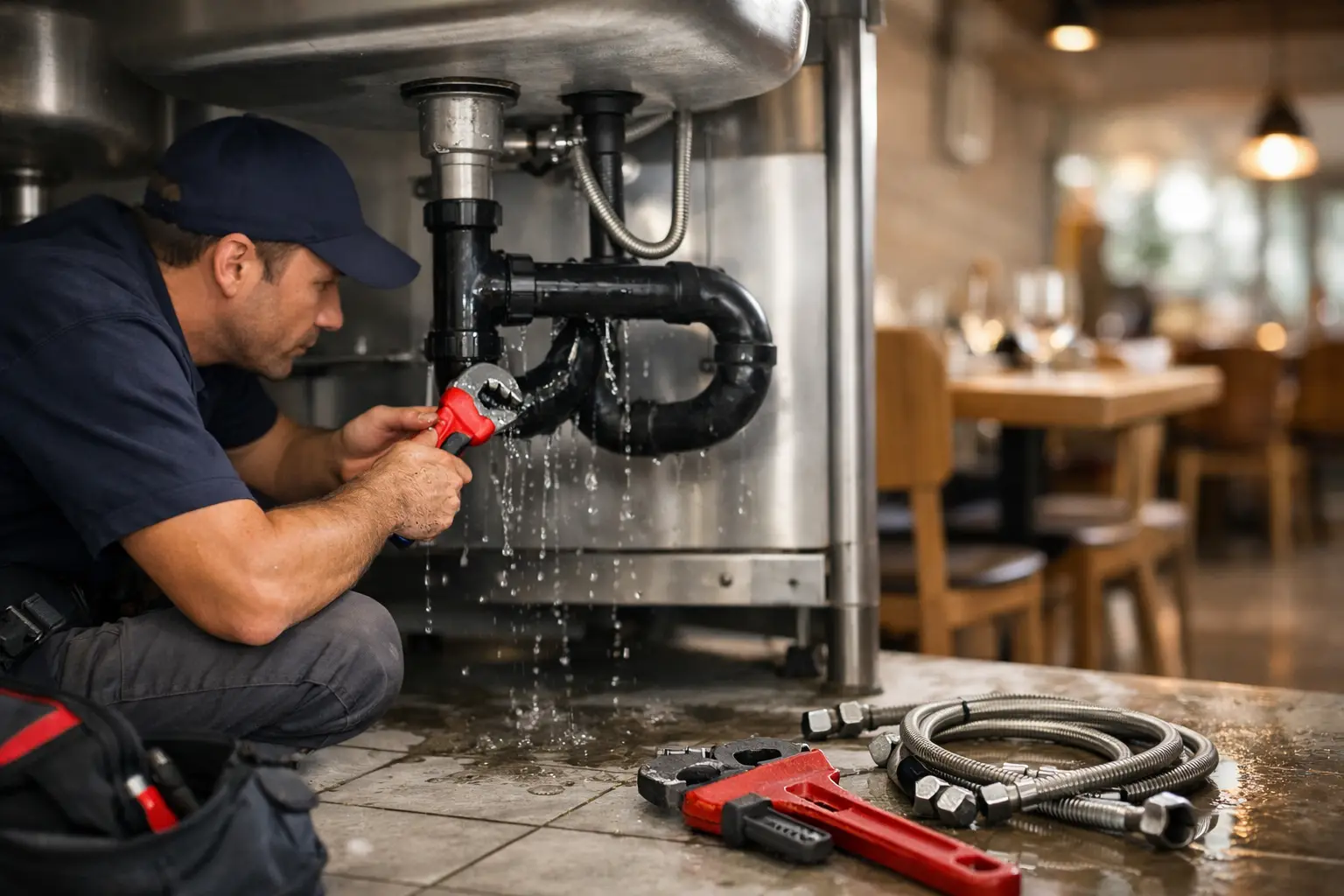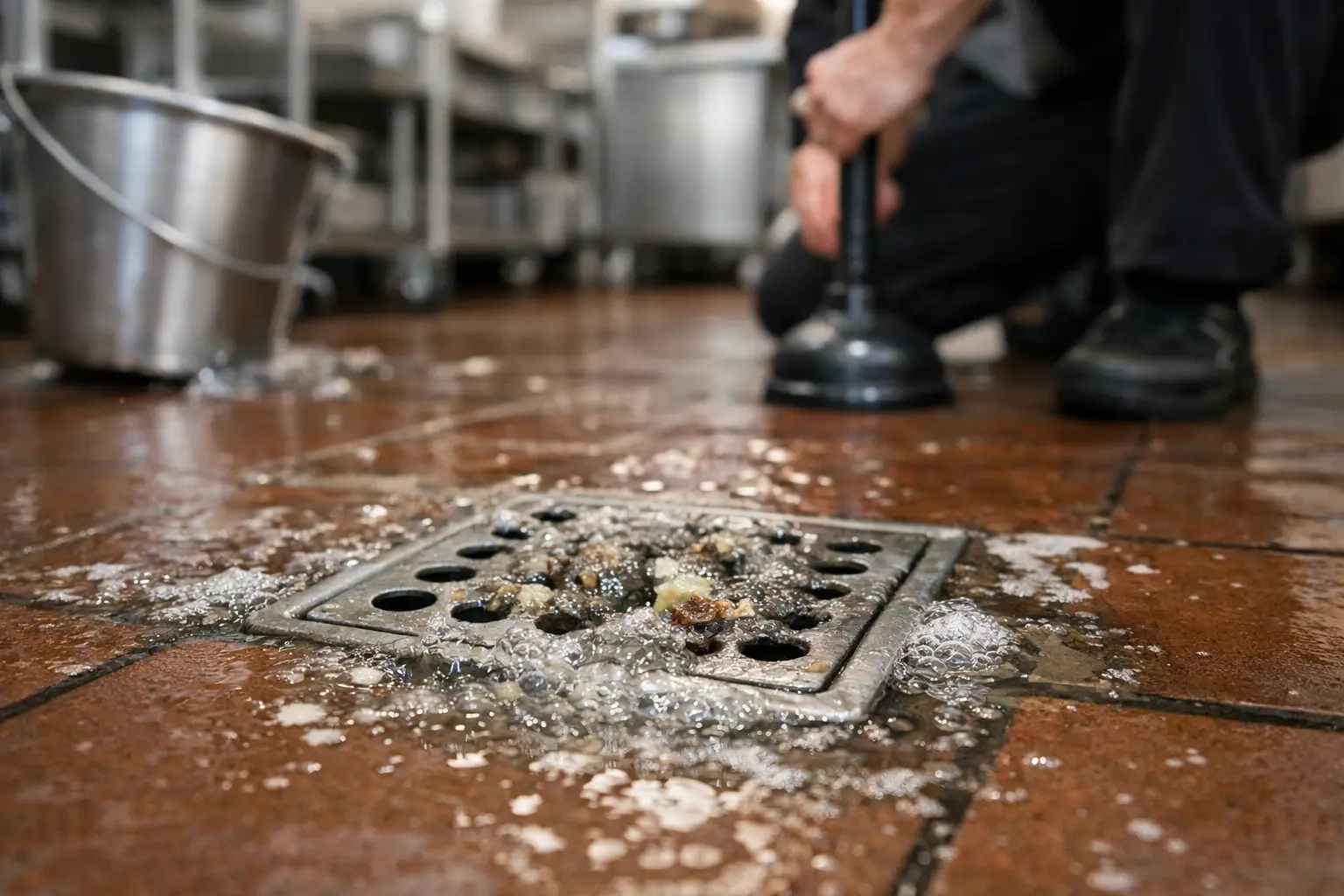
One backed-up kitchen sink can turn a quiet Tuesday into a tenant complaint, a maintenance scramble, and a potential damage claim. That is why the best drain solutions for landlords are not just about clearing a clog today. They are about choosing the right fix, verifying the line is actually open, and lowering the odds of the same call coming back next month.
Landlords do not need plumbing theory. They need fast answers, clean work, and a solution that fits the property, the tenant situation, and the age of the plumbing. A simple soft blockage in a lavatory line is one thing. A grease-heavy kitchen branch, a scaled cast iron line, or a sewer main with recurring backups is a different problem entirely. Treating all drain issues the same is how properties end up with repeat service calls and frustrated tenants.
What makes the best drain solutions for landlords?
The best drain solutions for landlords are the ones that solve the actual cause of the backup, not just the symptom at the fixture. That usually starts with proper diagnosis. If a line is slow because of grease buildup, hair, scale, wipes, or root intrusion, the right equipment matters. A quick punch-through may restore some flow, but partial clearing often means the problem is still sitting inside the pipe.
For rental properties, reliability matters more than temporary relief. Landlords are balancing tenant satisfaction, unit turnover, water damage risk, and maintenance efficiency. That is why a professional drain service should be able to explain what is happening inside the line in plain language and recommend the least disruptive fix that still holds up.
There is also a practical side to this. A single emergency may be manageable. A pattern of recurring clogs across units, or repeated backups in one older home, usually points to a deeper line condition that needs more than a basic cleaning.
Start with diagnosis, not guesswork
A lot of drain problems look the same from the outside. Water drains slowly. Toilets gurgle. A tub backs up when the sink runs. Tenants may describe the issue as random, but the pattern often tells a story.
If one fixture is affected, the problem may be local to that branch line. If multiple fixtures are backing up, especially on the lowest level, the issue may be in the main drain or sewer line. That distinction matters because the wrong approach wastes time and does not address the source.
Sewer camera inspection is one of the most useful tools for landlords with recurring drain complaints. It shows whether the issue is buildup, a broken section, offset joints, root intrusion, or heavy scale in older piping. That matters for decision-making. If the line is structurally sound but dirty, cleaning can be the right move. If the pipe is failing, repeated clearing will only delay a larger repair.
For landlords managing older properties in parts of Northern Virginia, camera verification can be especially valuable. Homes with aging cast iron or long horizontal runs can hide years of buildup until the drainage problem becomes impossible to ignore.
The right cleaning method depends on the line
Not every clog needs the same tool, and not every tool gives the same result. That is where many drain problems get mishandled.
Basic snaking has a place. It can break through soft stoppages and restore enough flow to get a fixture working again. But if the line walls are coated with grease, sludge, or scale, a cable may only poke a path through the center. Water moves for now, but the buildup remains. For a landlord, that can mean another complaint as soon as normal usage resumes.
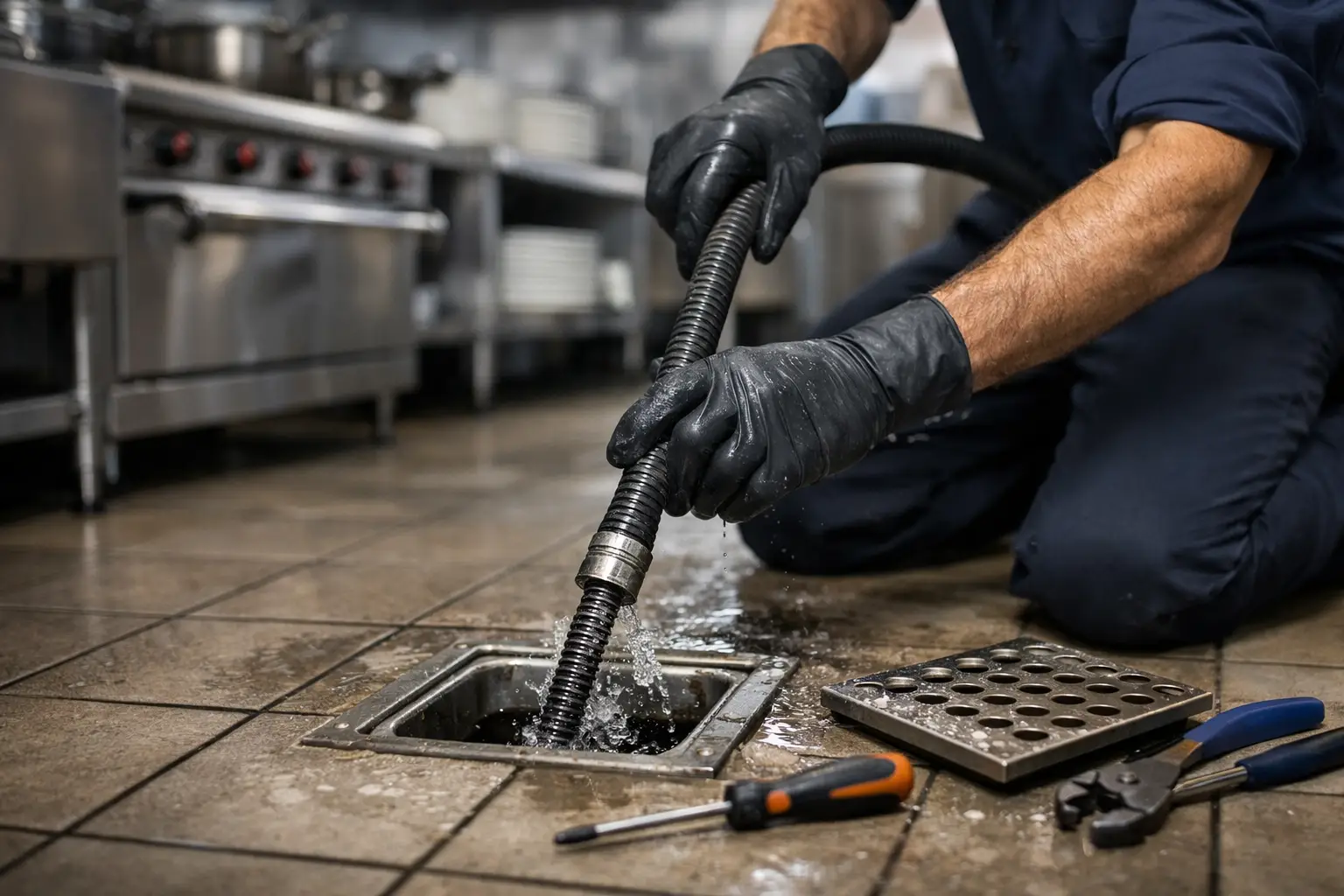
Hydro jetting is often the better option when the goal is to clean the line thoroughly. It uses high-pressure water to scour the interior of the pipe and remove grease, sludge, and debris along the pipe walls. In the right conditions, it is one of the most effective ways to restore full flow and reduce repeat clogs. It is especially useful in kitchen lines, shared drain lines, and main drains with heavy organic buildup.
That said, hydro jetting is not automatic for every property. If a line is fragile, broken, or badly deteriorated, the condition of the pipe needs to be assessed first. Good service is not about pushing one method every time. It is about matching the method to the actual condition of the system.
Older pipes need more than a quick clearing
Older rental properties often come with older drain systems, and those systems usually tell on themselves. Slow drainage, recurring backups, and foul odors may all point to buildup that has been developing for years.
Cast iron is a common example. Over time, scale forms along the inside of the pipe, narrowing the opening and catching waste and paper. In those cases, the issue is not just a clog. The pipe itself has become rough and restricted. Clearing the immediate blockage may help for a short time, but it does not remove the material causing the repeated stoppages.
Descaling can be the right solution when heavy scale is the root issue and the pipe is still a candidate for restoration. Combined with camera inspection, it gives landlords a clearer picture of whether the system can be cleaned and maintained or whether a repair conversation is coming.
This is where trade-offs matter. If the property is in turnover and you need a stable drain system before the next tenant moves in, a more complete cleaning approach often makes more sense than the fastest temporary fix. If the line is near the end of its life, that should be stated plainly so you can plan instead of reacting.
Prevention beats emergency calls
The most expensive drain call is often the one that arrives after hours, with water on the floor and a tenant expecting immediate answers. Landlords who want fewer emergencies usually need a preventive approach, not just a reactive one.
That does not mean over-servicing every property. It means paying attention to history. If a building has repeated kitchen backups, annual or scheduled cleaning may be justified. If a specific unit has recurring hair and soap blockage, a smaller targeted maintenance plan may be enough. If a main line has already shown signs of grease accumulation or scale, waiting for another stoppage is rarely the best strategy.
Preventive maintenance works best when it is based on evidence. Past service records, camera findings, and the age of the system all help determine what makes sense. A good drain specialist should be able to tell you whether your property needs periodic jetting, a one-time correction, or closer monitoring of an aging line.
For landlords, the value is simple. Fewer emergencies, less tenant disruption, and a better chance of keeping units functional without last-minute chaos.
Tenant communication matters too
Drain issues are technical, but the experience around them is operational. Tenants want to know when help is coming, what to expect, and whether the issue is actually fixed. Landlords need a service partner who respects the property, communicates clearly, and does not leave a mess behind.
That part gets overlooked, but it matters. Clean job execution, on-time arrival, and documented findings are not extras. They make property management easier. When a technician can show what was found in the line and explain the next step without jargon, it helps landlords make confident decisions and helps tenants feel the issue was taken seriously.
In occupied rentals, speed matters too. The longer a sink, tub, or main line is out of service, the more stress everyone deals with. Same-day availability and verified results are not just convenient. They reduce downtime and help prevent a drain problem from snowballing into a bigger property issue.
When to think beyond cleaning
Sometimes the best drain solution is not another cleaning. If a sewer camera shows a collapsed section, separated joint, or persistent root intrusion, the honest answer may be repair. The same goes for lines that have been cleared repeatedly without lasting improvement.
That does not mean every recurring clog points to excavation or major work. Many do not. But landlords are better served when they know where cleaning stops being the right answer. The goal should always be the most effective option for the condition of the line, not the most convenient explanation.
A company like Titan Jetters earns trust by showing the issue, explaining the options clearly, and doing the work cleanly the first time. That is what landlords need when a drain problem affects tenants, schedules, and the property itself.
The best drain decisions usually come before the next emergency, when there is enough time to diagnose the line properly and choose a fix that will actually last.