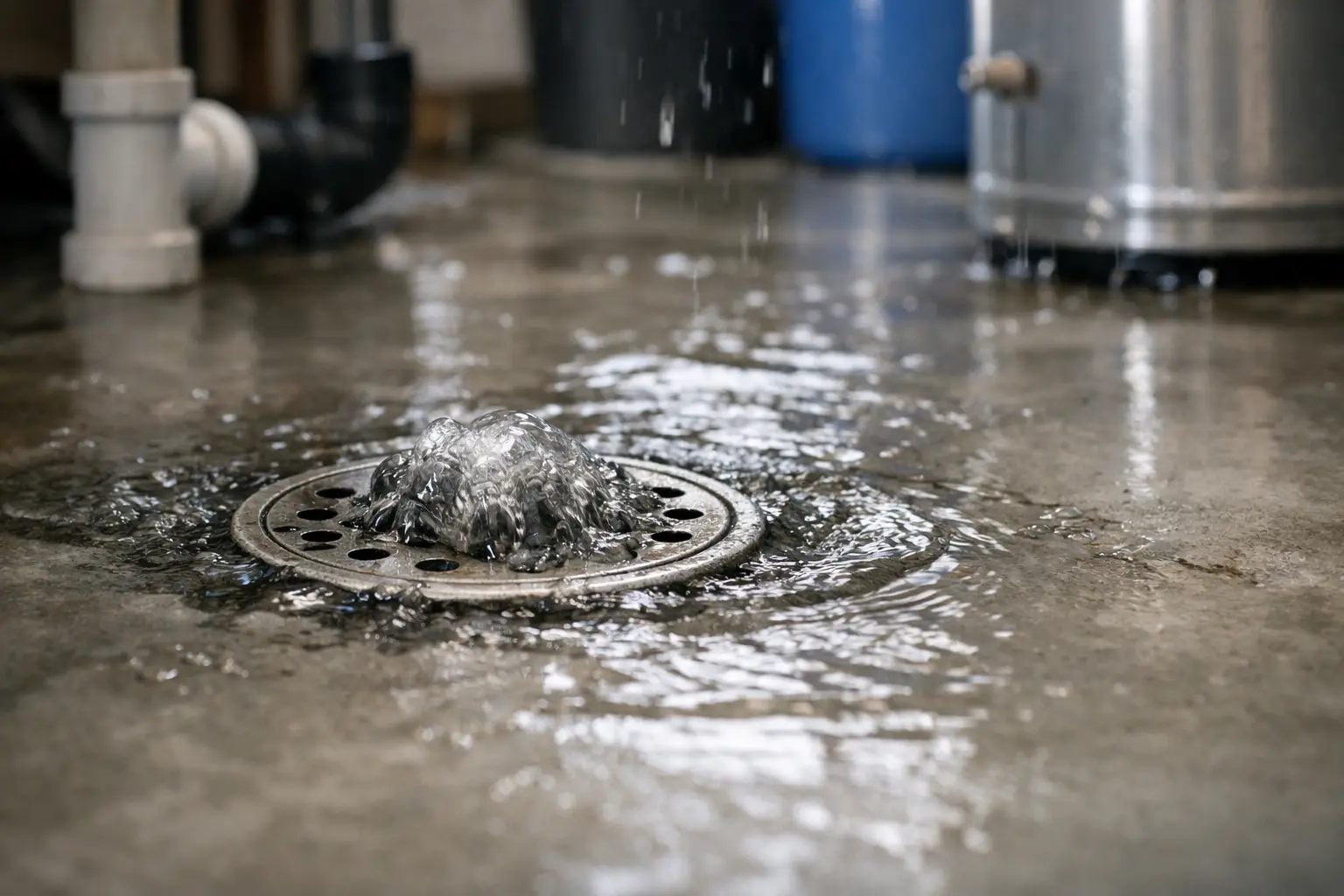
When a main sewer line clogs, the house tells on it fast. The first sign is usually a toilet that gurgles when the tub drains. Then the shower starts pooling. If it keeps going, the lowest drain in the home becomes the exit point – often a basement floor drain or first-floor shower. That is when it stops being an inconvenience and starts becoming a cleanup.
The hard part is that a main sewer line clog is not like a slow bathroom sink. It is rarely solved by a quick chemical or a small hand snake. The best way to unclog a main sewer line depends on what is actually blocking it – grease, roots, a collapsed section of pipe, scale buildup, or a foreign object – and whether the line is partially open or fully backed up.
The best way to unclog main sewer line clogs
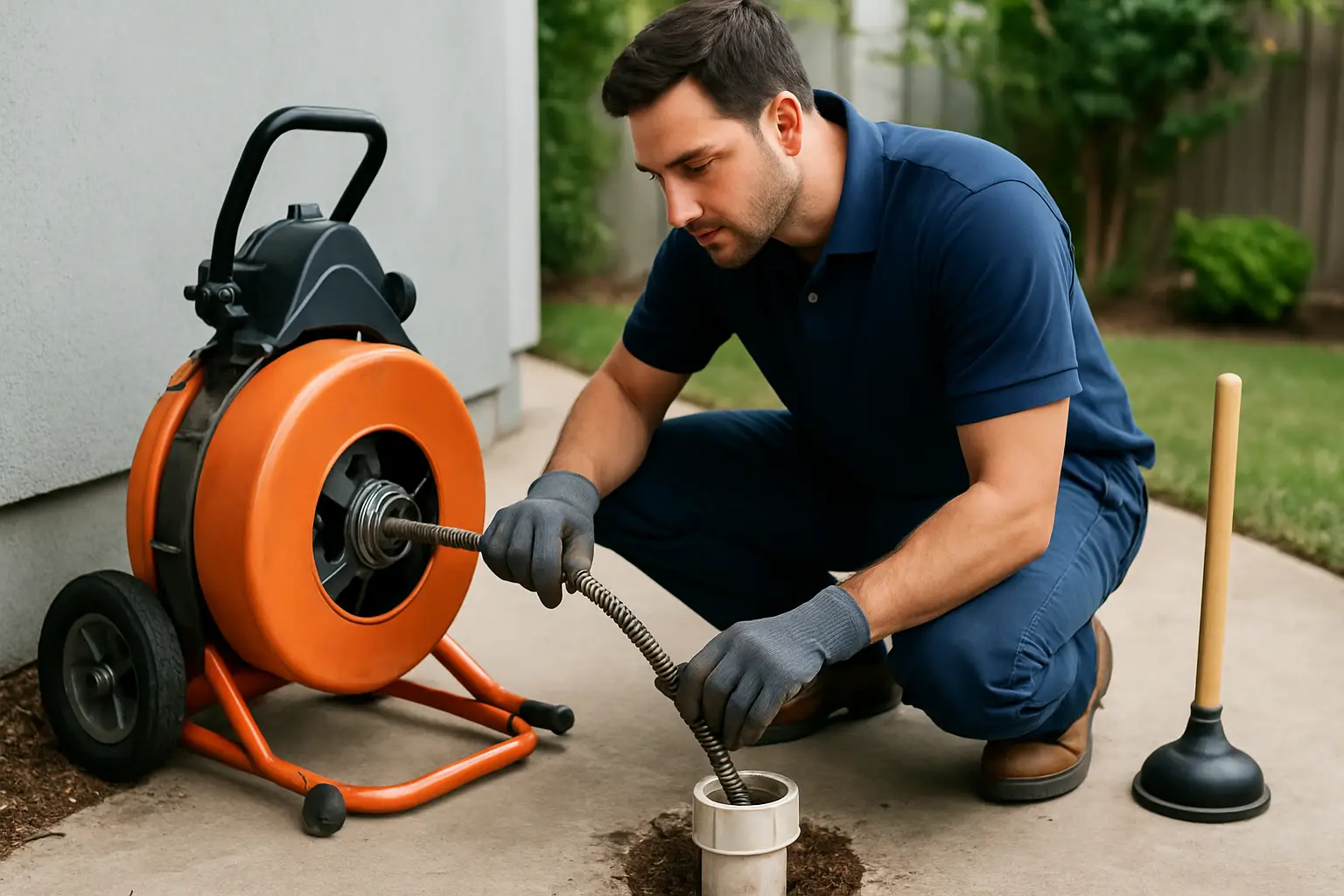
For most homes, the best way to unclog a main sewer line is a professional sewer camera inspection followed by the right clearing method – typically hydro jetting for heavy buildup and grease, or a cutting and cleaning approach for roots – and then verification with the camera.
That “inspect – clear – verify” sequence matters. A main line can seem open after a snake passes through, but a half-cleared pipe can clog again the next week because the real problem was never removed, only poked through. If you want results that last, you need to know what you are dealing with and confirm the line is actually restored, not just temporarily relieved.
Why camera verification changes everything
A camera inspection does two things homeowners care about: it reduces guesswork and it prevents repeat messes.
If the clog is grease, you will often see thick, dark buildup narrowing the pipe like cholesterol. If it is roots, you will see hair-like intrusions at joints, sometimes so dense they look like a net. If it is a belly (a low spot holding water) or a cracked pipe, the camera shows that too. Without that view, it is easy to pick the wrong method and get a short-lived improvement.
Verification after the cleaning is just as important. It shows whether the pipe is clear wall-to-wall, whether roots were actually removed, and whether there is underlying damage that needs attention before the next backup.
What usually causes a main sewer line backup
Most main line clogs fall into a few categories. The reason this matters is simple: different causes require different tools.
Grease and sludge buildup is common in busy households and rental properties, especially when cooking grease is poured down the drain or when a garbage disposal is used like a trash can. It tends to build gradually until one heavy load (laundry day, a long shower, multiple toilets) pushes it over the edge.
Tree roots are a big one in Northern Virginia neighborhoods with mature landscaping. Roots seek moisture and can enter through tiny gaps at joints or small cracks. Once they get a foothold, they grow and catch debris.
Scale and mineral buildup shows up more often in older cast iron lines. Over time, the inside of the pipe can roughen and narrow, turning the pipe into a debris trap.
Then there are structural problems: a sagging section holding water, a partially collapsed line, or a damaged joint. These are the clogs you cannot “clean your way out of” long-term. You can restore flow, but it will keep coming back until the pipe is repaired.
Why store-bought drain chemicals are a bad bet
Main sewer line clogs are not the place for chemical drain cleaners. Most of those products are designed for small, local clogs in a sink or tub trap, not a 3- to 6-inch main line that may be blocked by roots, heavy grease, or a damaged pipe.
If the line is backed up, the chemical can sit in standing water. That creates a safety issue for anyone who has to open a cleanout or work on the line later. It can also damage certain pipe materials over time, and it still will not remove roots or fix a structural issue.
The real cost of chemical attempts is time. Main line clogs get worse, and the longer you wait, the more likely you are to deal with overflow damage.
Hydro jetting: when you want the pipe actually clean
Hydro jetting is one of the most effective ways to clear and clean a main sewer line because it is not just punching a hole through the blockage. It uses high-pressure water to scour the inside of the pipe, breaking up grease, sludge, soap buildup, and many types of debris.
The reason jetting holds up so well is that it restores the pipe’s diameter more completely than many other methods. In practical terms, that means better flow today and fewer repeat clogs next month.
Jetting is not automatic for every situation, though. If a camera shows the pipe is collapsed or heavily compromised, blasting water through it can be the wrong move. That is why the camera comes first. Done correctly, jetting is targeted, controlled, and based on what the line can handle.
Root removal: clearing is not the same as solving
If roots are the issue, the goal is to remove them thoroughly, not just slice a small path through. Many clogs come back because the initial clearing left root masses on the pipe walls. Those leftovers act like rebar for toilet paper and waste, rebuilding the clog fast.
A professional approach typically involves cutting and cleaning, then evaluating how the roots got in. If the camera shows joints that are separating or cracks that keep inviting roots back, you may need repair to truly end the cycle. In some cases, maintenance cleaning on a schedule can also be a smart strategy for properties with known root intrusion risks.
Descaling and cast iron lines: the hidden restriction
Older homes with cast iron often have a different problem: the pipe interior changes over decades. Scale and corrosion can narrow the line and create rough surfaces that catch debris. From the outside, you cannot tell. From the inside, a camera makes it obvious.
Descaling is a specialized cleaning process that removes that hard buildup, helping restore the interior opening and smooth out the flow path. It can be a game changer for properties dealing with frequent backups where the pipe is still structurally sound but heavily restricted.
What you can do immediately (without doing a repair)
A main sewer backup is stressful, and most people want to take action right away. The most helpful immediate step is to stop adding water to the system. That means pausing laundry, dishwashers, long showers, and repeated flushing. Every gallon you send down has to go somewhere, and when the main line is blocked, it tends to come back up.
If you have a cleanout and notice overflow outside, that can actually be a better outcome than wastewater coming up through a shower or floor drain. Either way, avoid contact and keep kids and pets away from the area.
From there, the fastest path to a real fix is getting the line inspected and cleared with the right equipment. When a company can arrive same-day, confirm the cause with a camera, clear the blockage, and re-camera to verify flow, you get your home back with fewer surprises.
How to know it’s a main line issue (not a single drain)
If one fixture is slow, it is often a local clog. If multiple fixtures are affected, especially on the lowest level, that points to the main line. The most common pattern is this: a toilet bubbles when another drain runs, or the tub backs up when you flush. When you see that combination, it is time to treat it like a main sewer line problem.
Another clue is sewage odor near floor drains or a cleanout area, especially after using water elsewhere. That can indicate the system is struggling to vent and drain properly due to a restriction downstream.
What “done right” looks like from a homeowner’s perspective
Homeowners are busy. Property managers have tenants calling. Business owners cannot shut down bathrooms for long. So the standard should be simple: clear communication, clean work, and verified results.
You should expect a technician to explain what they see on the camera in plain language, show you the problem area, and tell you what method fits and why. After clearing, you should expect confirmation that the line is open and that there are no obvious breaks or bellies being missed.
If you are in the Bristow and Gainesville area and want a drain-focused team that uses camera diagnostics and high-performance cleaning methods, Titan Jetters is a local option worth calling – you can book service at https://www.titanjetters.com.
When a clog is really a repair problem
Sometimes the “best way to unclog” the line is to stop treating it as a clog.
If the camera shows a collapsed pipe, a severe offset joint, or a section that is holding water due to a belly, cleaning may bring temporary relief but it will not make the system reliable. In those cases, the best outcome is a clear diagnosis and a repair plan that prevents repeat backups and protects the property.
The trade-off is that repair is a bigger step than cleaning, but it is often cheaper than multiple emergencies, cleanup costs, and ongoing tenant or customer complaints.
A closing thought
A main sewer backup is one of those problems that feels personal because it hits your home fast and messily. The good news is that when the line is inspected, cleared with the right method, and verified after, you are not just crossing your fingers – you are making sure the pipe is actually ready to handle real daily use again.