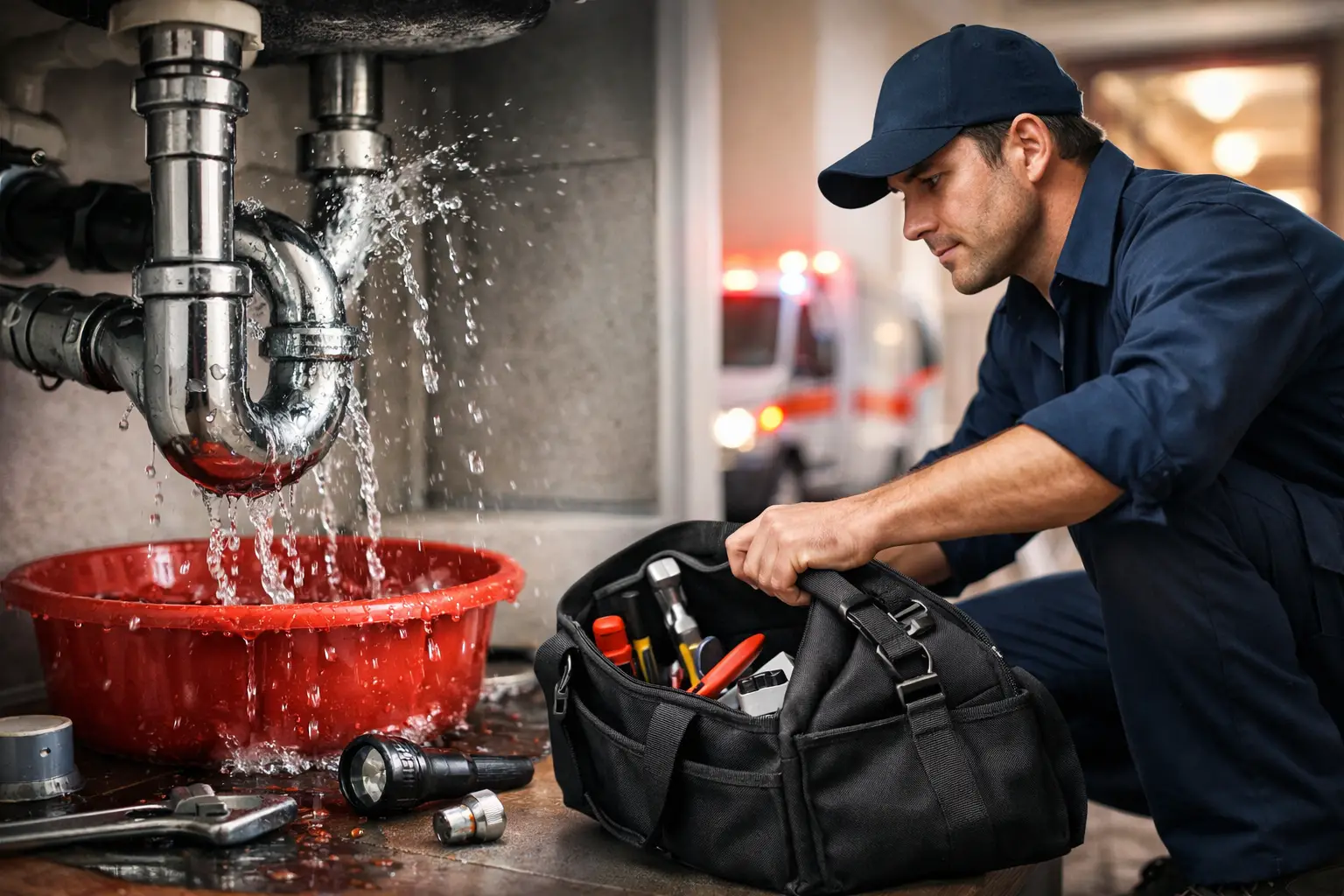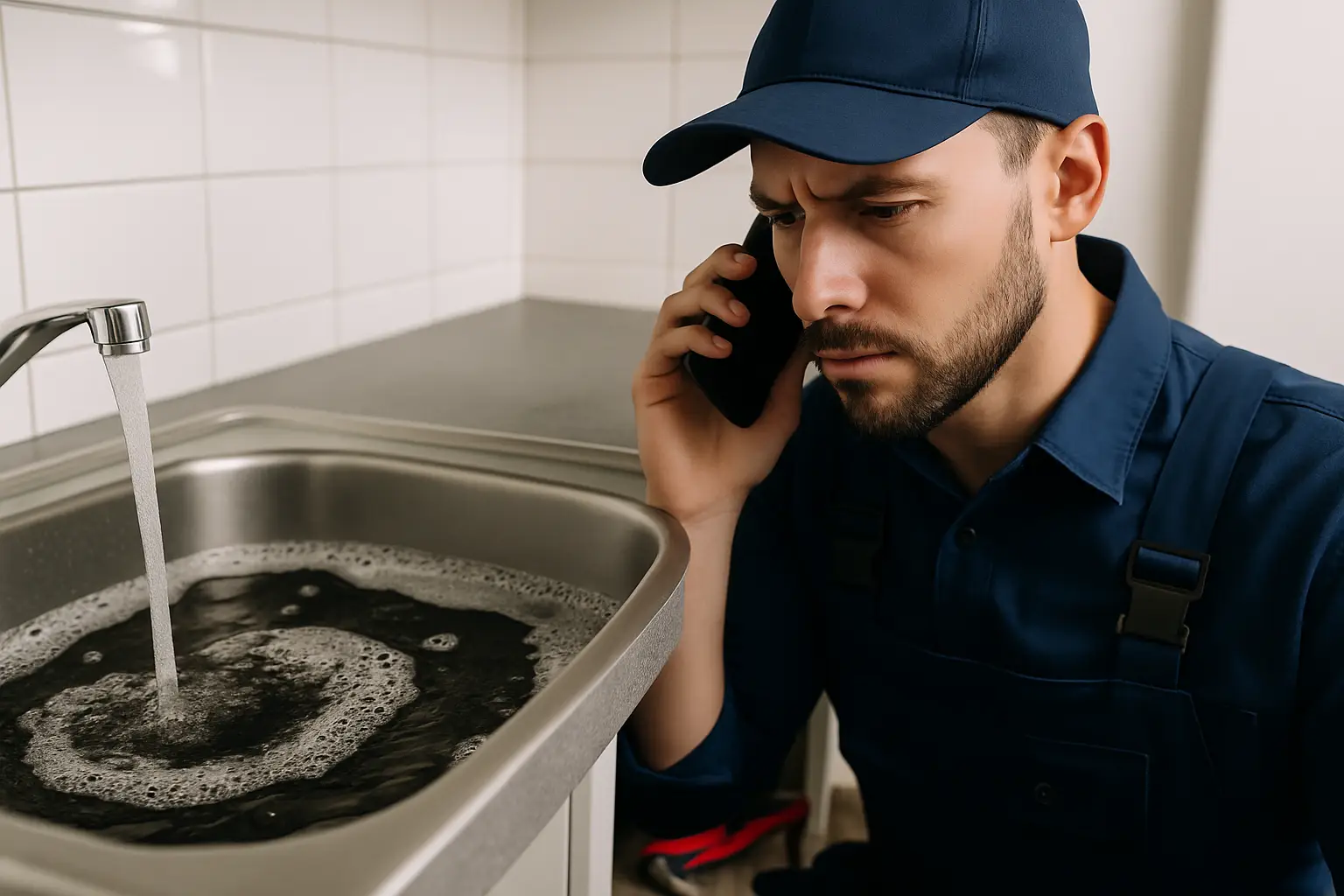
The first sign is usually small: the shower takes an extra minute to drain, the toilet gurgles once, and you tell yourself you will deal with it this weekend. Then it hits fast – dirty water bubbling up in a tub, a floor drain overflowing, or a sink that will not empty at all. A drain backup is one of those problems that can go from annoying to property damage in a single flush.
If you are searching for an emergency plumber for drain backup, you are not overreacting. Some backups are simple and contained. Others are telling you the main line is compromised, and waiting can mean sewage in finished spaces, downtime for a business, or damage to flooring and drywall.
When a drain backup is a real emergency
Not every slow drain needs an urgent response. A true emergency is when there is an immediate risk of overflow, contamination, or hidden damage. The tricky part is that the “real” issue is often farther down the line than the fixture that is acting up.
If more than one drain is backing up at the same time, treat it as urgent. A single sink clog is usually local. A toilet that bubbles when the shower runs, or a tub filling up when you do laundry, points to a bigger restriction in the branch line or the main sewer.
If wastewater is coming up through a floor drain, that is another red flag. Floor drains sit low and often become the relief point when the system cannot move flow toward the street or septic connection. That is when backups spread quickly.
Odors can also be a warning sign, especially if they show up suddenly along with gurgling. Sewer gas smells are not just unpleasant – they can indicate the water seal in a trap is being siphoned due to poor venting or a downstream blockage creating pressure changes.
And if you are in a commercial space, the threshold for “emergency” is even lower. A restaurant, daycare, medical office, or any customer-facing business cannot afford restrooms out of service or water on the floor. Fast response is not a luxury – it is how you keep doors open.
What usually causes a drain backup (and why it keeps coming back)
Homeowners often get told they have a “clog” as if it is one simple thing. In reality, a backup is a symptom. The long-term fix depends on what is actually restricting the pipe.
Grease buildup is a common culprit, especially in kitchen lines. It rarely forms a single plug. It coats the pipe walls and narrows the diameter over time, catching food particles and forming a stubborn restriction that snaking may poke through without fully removing.
In older homes, scale and mineral deposits can harden inside cast iron and galvanized lines. The pipe may still be structurally there, but the inside passage is reduced and rough. That rough surface grabs debris and turns normal use into repeated backups.
Tree roots are another big one in Northern Virginia, particularly where mature landscaping meets aging sewer lines. Roots seek moisture and can enter through tiny joints or cracks. Once inside, they collect paper and waste until the line chokes off.
Then there are “flushable” wipes and heavy paper products. Even when they leave the bowl, they can hang up at transitions, offsets, or rough pipe walls and act like rebar in concrete, trapping everything behind them.
Finally, there is pipe damage or a belly in the line. If a section of pipe has settled, water pools there instead of flowing out. Solids settle in that low spot and the restriction returns no matter how many times it is cleared. This is where proper diagnosis matters, because you cannot fix a slope problem with repeated cleanings.
What to do right now while you wait for an emergency plumber
Your goal is to prevent overflow and limit contamination. You do not need a toolbox for that – you need a calm, fast response.
Stop using water in the building. That includes dishwashers, washing machines, showers, and additional toilet flushes. Every gallon you send down has to go somewhere, and if the line is blocked, it is coming back up.
If you have an active overflow, contain it and protect nearby materials. Move rugs, towels, or inventory out of the area. If it is wastewater, treat it like contaminated water, because it is.
If you can safely access it, identify the lowest drain where water is appearing. That can help a technician quickly understand whether the backup is local or in the main line.
Avoid chemical drain cleaners during a backup. They often do not reach the blockage in a heavy restriction, and they can create a hazardous situation for whoever has to open the line or remove a trap. A professional crew would rather deal with the clog than a pipe full of caustic chemicals.
What a good emergency response actually looks like
When you call for emergency service, speed matters, but so does method. A quick “poke and hope” can restore flow temporarily and still leave the real problem in the pipe. The best emergency plumbers work in two phases: restore function, then verify the cause.
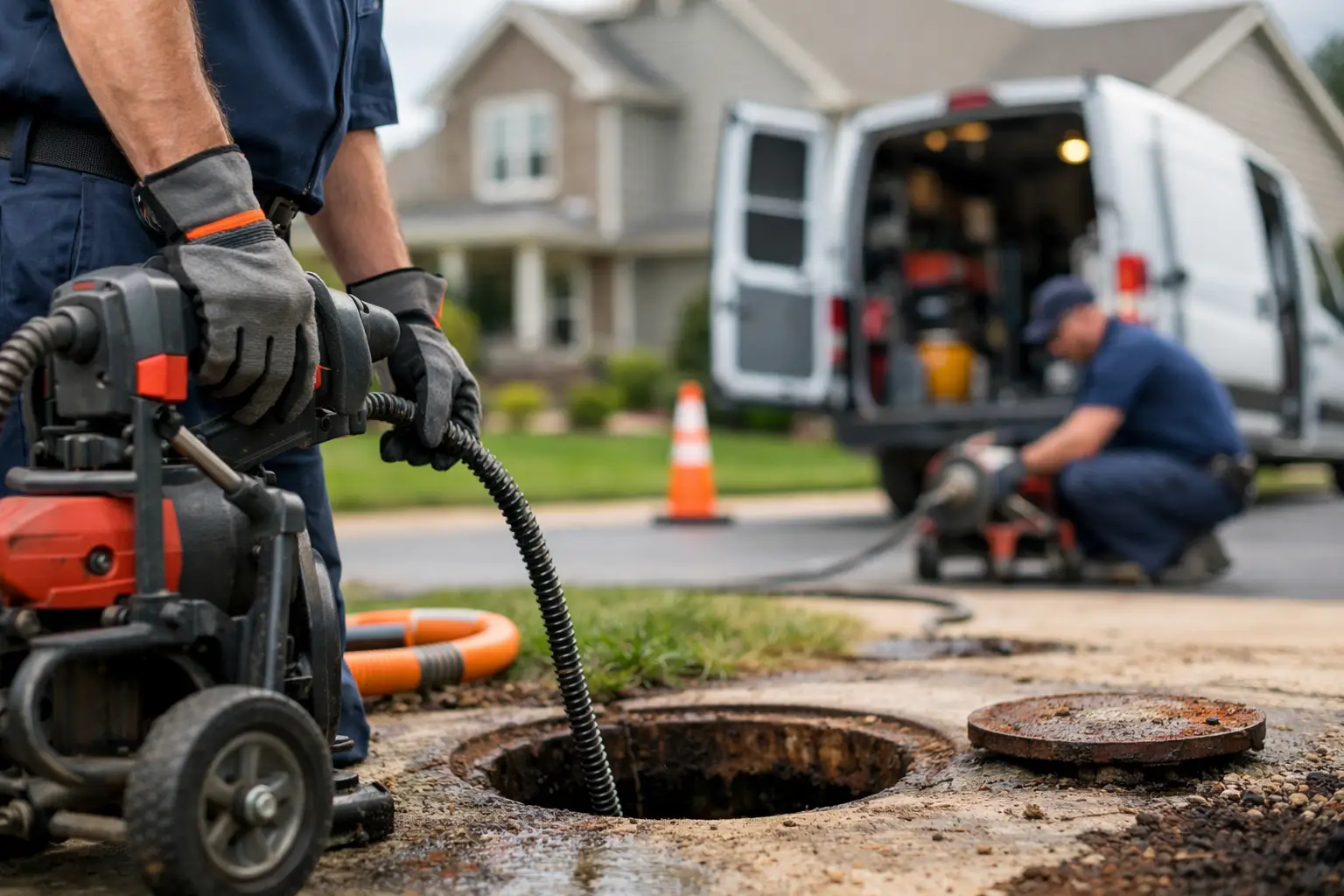
First is stopping the immediate problem – getting the line flowing and preventing another overflow. Depending on the situation, that might involve opening a cleanout, relieving pressure, and clearing the restriction with the right equipment for the pipe and blockage.
Second is confirming what caused the backup so you are not right back in the same situation next week. This is where sewer camera inspections earn their keep. A camera lets you see whether you are dealing with grease, roots, a collapsed section, a belly, or a broken joint. It also helps confirm the line is fully open after cleaning.
That “verified clean” piece is not just for peace of mind. It is how you make decisions with confidence. If the pipe is clear and intact, you can shift into prevention. If the camera shows damage, you can address it before it becomes a full failure.
Why hydro jetting is often the difference-maker
A lot of people have experienced drain cleaning that works… for a while. The common reason is that a basic cable machine may open a pathway through the clog without cleaning the pipe walls.
Hydro jetting is different. It uses high-pressure water to scour the inside of the pipe and flush debris out of the system. When done correctly, it is not about blasting blindly. The technician chooses the right nozzle, controls pressure based on pipe material and condition, and uses the flow to carry loosened buildup out of the line.
Jetting tends to be especially effective for grease, sludge, and heavy buildup that coats the pipe. It can also help after roots are cut, by flushing the line clean so paper and waste do not immediately snag on remnants.
That said, it depends. If the pipe is severely compromised, collapsed, or paper-thin, aggressive cleaning may not be appropriate until the condition is confirmed. This is another reason camera diagnostics matter in emergency drain backup calls. The right company matches the method to the pipe, not the other way around.
What landlords and business owners should watch for
If you manage a property, drain backups are not just a maintenance problem – they are a liability and a tenant-satisfaction issue. Repeated backups in the same stack, laundry line, or main often mean there is an underlying restriction that needs a more thorough approach.
For businesses, the bigger concern is downtime and reputation. A single restroom closure can create a chain reaction: staff time spent dealing with the mess, customers leaving, health code concerns, and potential damage to finished areas.
The best time to bring in a drain specialist is when the warning signs start repeating, not after the third emergency. If you are seeing patterns, a camera inspection and a cleaning plan can prevent the next after-hours disaster.
What to expect when you call a drain and sewer specialist
Emergency plumbing should still feel organized. You should expect clear communication, a clean work area, and straightforward options based on what the technician finds.
A specialist will typically ask questions that help pinpoint the location and severity: Which fixtures are affected? Is there overflow? When did it start? Any recent work or heavy rain? Those details matter because they can indicate a main line issue versus an isolated branch.
On site, a professional approach focuses on access points, containment, and verification. Cleanouts are used when available to avoid unnecessary mess. Equipment is selected based on the type of blockage. And once flow is restored, you should be shown what was found, ideally with camera footage or clear explanation, so you are not left guessing.
If you are in Bristow, Gainesville, Haymarket, Manassas, or elsewhere in Northern Virginia and want a drain-first team that combines emergency response with camera-verified results, Titan Jetters is one option to keep on your short list: https://www.titanjetters.com.
The big question: will it happen again?
Sometimes a backup is a one-off – an overloaded disposal, a foreign object, a short-term blockage in a single fixture line. But when the backup involves multiple drains, repeats over time, or comes with gurgling and floor drain overflow, it is often the system telling you the pipe is narrowing, damaged, or being invaded by roots.
The most practical way to reduce repeat emergencies is to treat the first serious backup as a diagnostic moment, not just a clearing event. Restoring flow is step one. Understanding why it failed is what protects your home, your tenants, or your business the next time the building is busy and nobody is thinking about the drains.
A drain backup is stressful, but it is also solvable. The right response is fast, clean, and verified – and once you have that, you can get back to living and working without wondering what is happening under the floor.