That slow kitchen sink is rarely “just a clog.” Most of the time, it is your plumbing system telling you something about what is building up in the line, where it is building up, and how close you are to a real interruption – the kind that shuts down a bathroom, a tenant unit, or a commercial restroom.
Plumbing and drain cleaning sounds simple, but the results depend on how the problem is diagnosed and what method is used. A quick clear can buy time. A verified clean can prevent the same issue from coming back next month.
What plumbing and drain cleaning really means
Most people use “drain cleaning” to describe any service that gets water moving again. In the trade, there is a big difference between restoring flow and actually cleaning the pipe.
Restoring flow means punching an opening through a blockage so the line drains. That can be enough in an emergency, but it often leaves material stuck to the pipe walls.
Cleaning the pipe means removing the buildup that is narrowing the inside of the line. That is what helps stop repeat clogs, odors, and backups. It also gives you better information about the condition of the plumbing, because you can actually see what the pipe looks like once it is cleared.
Why clogs come back (and how to spot the pattern)
If you have had the same drain cleared more than once, the issue is usually not bad luck. It is usually one of these scenarios.
Soft buildup is coating the pipe. Kitchen lines commonly collect grease, soap residue, and food waste that sticks like paste. Bathroom lines collect hair and soap scum that forms a net, then catches everything else.
Hard scale is reducing the pipe diameter. In many older drain lines, minerals and corrosion build a hard layer inside the pipe. Water can still pass, but it becomes easier for paper, wipes, or debris to catch.
A structural issue is creating a choke point. A belly in the line, a partial collapse, a misaligned joint, or root intrusion can all cause recurring slow drains or backups. In those cases, “cleaning” helps, but the long-term fix may require repair.
The way to spot the pattern is to pay attention to frequency and scope. A single slow sink that gradually worsens is different from multiple fixtures gurgling or draining slowly at the same time. When several drains act up together, you are often dealing with a main line restriction, not a one-off problem.
The methods: why the tool matters
Not all drain cleaning is created equal. Different tools are designed for different types of blockages, and the wrong approach can leave you with a temporary win and a fast comeback.
Cable snakes: good for access, limited for cleaning
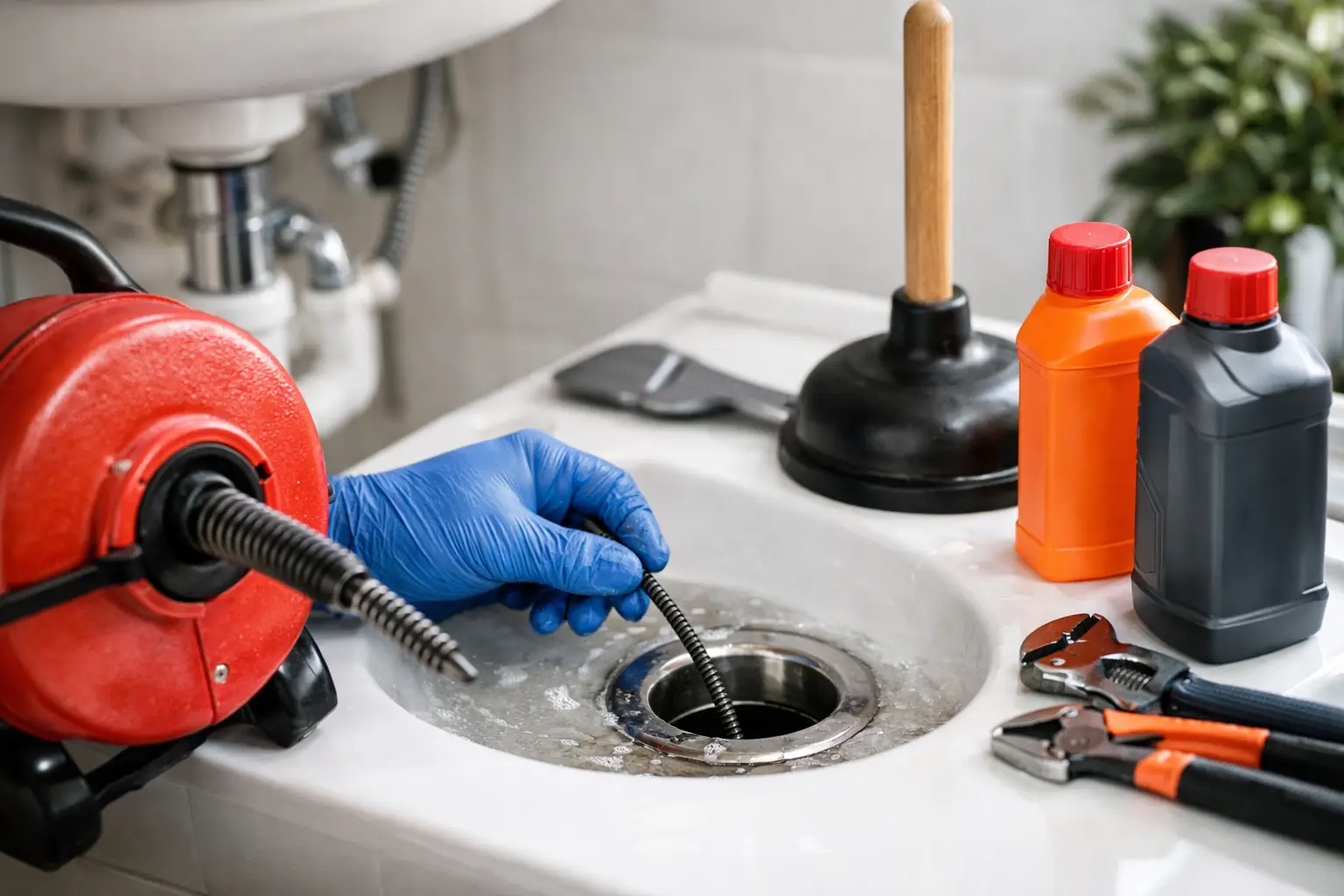
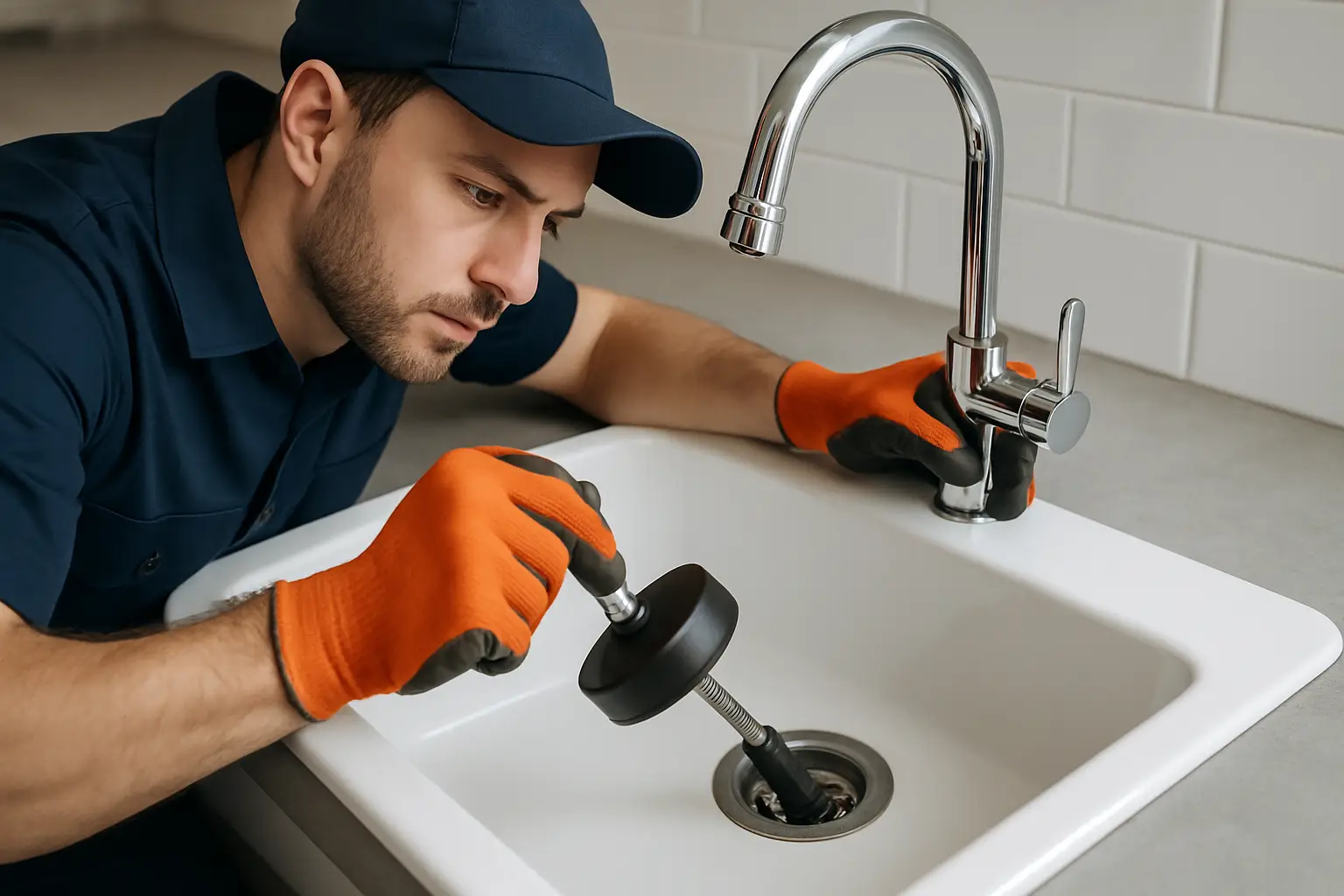
A traditional cable machine can break through a localized clog and restore drainage. It is useful when you need immediate relief and the blockage is soft or close to the opening.
The trade-off is that it often leaves residue on the walls of the pipe. Think of it like poking a hole through sludge instead of washing the pipe clean. That is why some drains work for a week or two and then slow right back down.
Flex-shaft cleaning: controlled wall-to-wall scrubbing
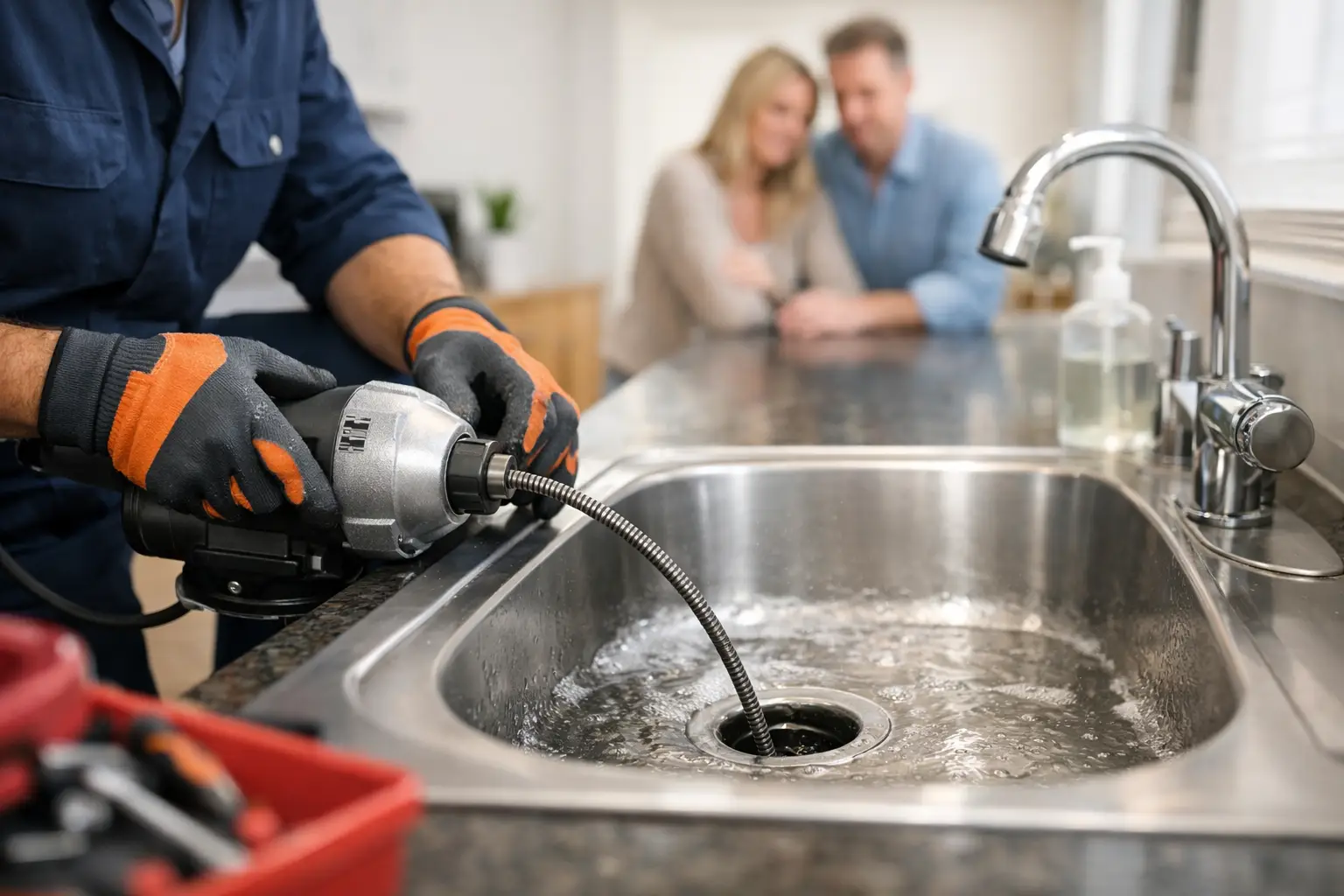
Flex-shaft systems use rotating chains and attachments that scour the inside of the pipe. This is especially effective for hair, grease films, and some types of buildup that cling to the walls.
The advantage is precision and control, particularly in smaller lines and certain pipe materials. The limitation is that it may not fully flush out heavy debris on its own, and it is not a substitute for high-volume cleaning in larger mains.
Hydro jetting: high-performance cleaning for stubborn buildup
Hydro jetting uses high-pressure water to cut through grease, sludge, and accumulated debris, then flushes it downstream. When done correctly, it does not just open the line – it removes the material that causes repeat problems.
Jetting is often the right call for recurring kitchen drain issues, commercial lines that see heavy use, and main sewer lines with persistent buildup. The “it depends” piece is pipe condition. If the line is already compromised, the correct next step is inspection and a plan, not blindly forcing pressure through an unknown situation.
Descaling: when the pipe is shrinking from the inside
Descaling targets hard mineral deposits and corrosion scale that can form in certain older lines. If your line is gradually losing capacity, descaling can restore diameter and improve flow in a way basic clearing cannot.
This is one of those services that sounds optional until you see the inside of the pipe on camera. Scale does not always announce itself with a full backup – it often shows up as chronic slow drains, paper hang-ups, and repeated calls.
Sewer camera inspections: the difference between guessing and knowing
If you are dealing with repeat issues, a sewer camera inspection changes the conversation.
Instead of assuming the blockage is “somewhere down there,” you can locate it and identify what it actually is: grease, roots, scale, a belly holding water, or a damaged section of pipe. That matters because each problem has a different fix, and homeowners and property managers deserve options based on evidence.
Camera verification is also how you avoid unnecessary work. If a line is already clean and the issue is a venting problem or a downstream obstruction, you want to know that before anyone spends time running equipment that will not solve the real cause.
Residential vs commercial drain cleaning: the stakes are different
Homeowners usually call when a sink will not drain, a toilet is overflowing, or a basement drain is backing up. The priority is fast restoration and a clean work area.
Commercial and multi-unit properties have an extra layer of pressure. A single clog can mean downtime, customer complaints, after-hours emergencies, or multiple tenants affected by one main line restriction.
For those properties, the best drain cleaning plan is often proactive. Getting ahead of grease accumulation, scale, and heavy-use wear keeps the building operating and reduces surprise emergencies.
Red flags that should move you from “clear it” to “fix it right”
If you are seeing any of the following, the odds are high that basic clearing will not be the last time you deal with the problem.
Frequent repeat clogs in the same fixture are a sign of wall buildup, a catch point, or a partial obstruction that was never fully removed.
Gurgling drains, sewer odors, or water backing up in a lower drain when you use an upstairs fixture can point to a main line restriction.
Slow drains across multiple bathrooms or a kitchen and laundry slowing together usually means the issue is beyond a single branch line.
After a backup, stains or moisture around a cleanout, floor drain, or basement area can indicate the system is under stress and may need a deeper look.
What a professional visit should look like
Good plumbing and drain cleaning is not just about getting the water to go down. It is about leaving the line in a known condition and leaving you with clear next steps.
You should expect a straightforward explanation of what is happening, what method makes sense for your specific situation, and what the tech is watching for while the line is being cleared.
You should also expect respect for your home or business. Drain work can be messy if it is rushed. A pro protects the area, keeps the job controlled, and cleans up so you are not dealing with splatter, odors, or a bigger problem than you started with.
Most importantly, the best outcomes come from verification. When camera diagnostics confirm the line is open and cleaned, you are not relying on hope. You are relying on proof.
How to decide between jetting, descaling, and repair
Homeowners often ask, “Do I need hydro jetting?” The honest answer is: it depends on what is inside the pipe and what condition the pipe is in.
If the issue is grease, sludge, and recurring buildup, jetting is often the quickest path to a long-lasting result.
If the issue is hard scale shrinking the line, descaling may be the only way to meaningfully restore capacity.
If the camera shows a broken line, a severe belly, or a section that will never drain correctly, cleaning may help in the short term, but repair is what stops the cycle.
A drain and sewer specialist should be able to walk you through these options without pressure, because the right choice is the one that matches what is actually happening underground.
When speed matters most: backups and emergencies
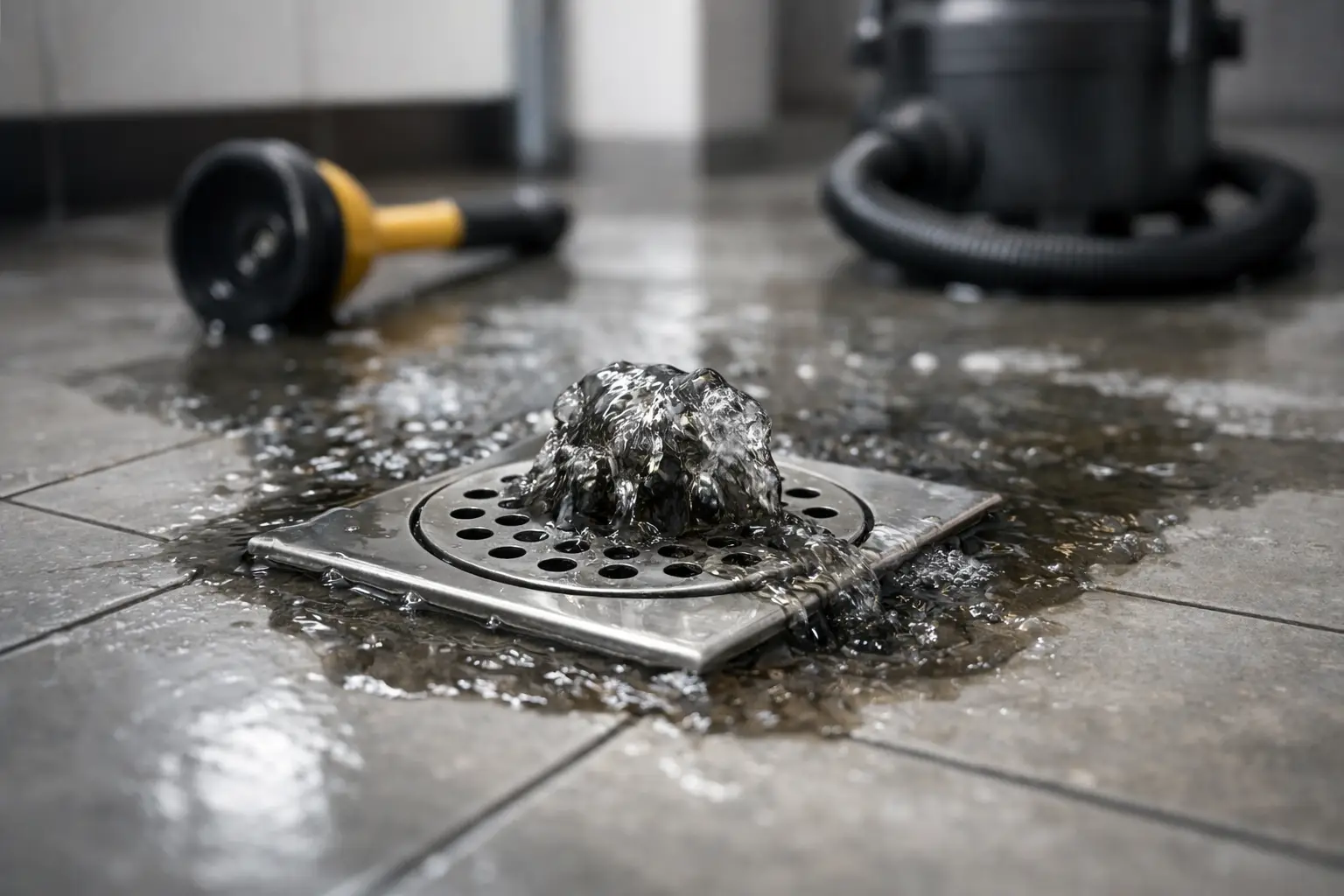
A true drain emergency is not just inconvenient – it can damage flooring, drywall, inventory, or tenant spaces. If you have sewage backing up, multiple fixtures affected, or water coming up where it should never come up, treat it as urgent.
The goal in an emergency is to control the situation fast, restore flow, and verify the line so you do not have a second failure later that day. That is where the combination of professional jetting equipment, flex-shaft systems, and camera inspection makes a difference.
If you are in Northern Virginia and want a drain-first team that focuses on fast response and verified results, Titan Jetters is built for this kind of work. You can book service through https://www.titanjetters.com.
A clean drain is a good feeling. A drain that stays clean is peace of mind – and the right approach is the one that treats the cause, not just the symptom.